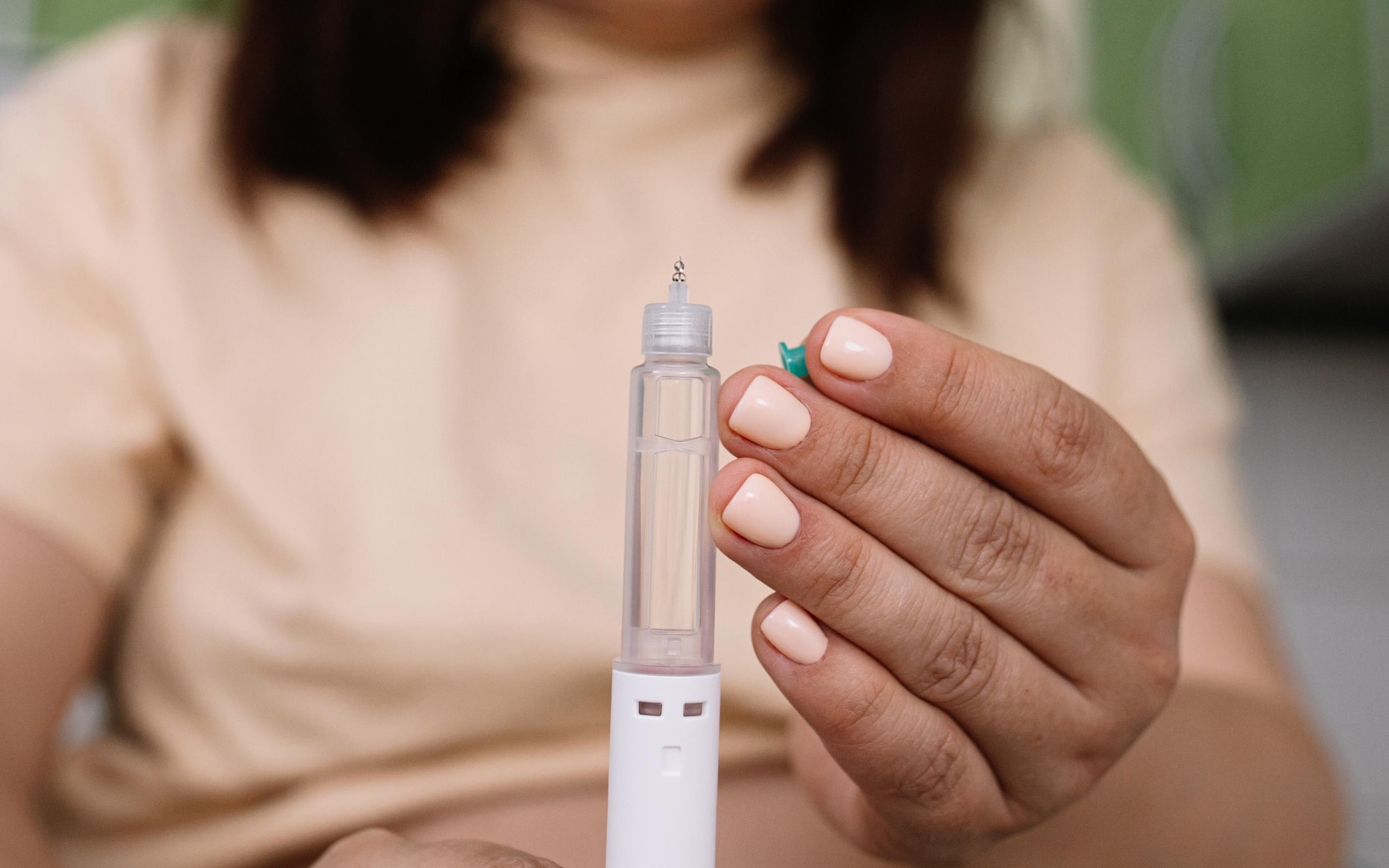
Employers have traditionally obtained prescription drugs for their plan members through pharmacy benefit managers (PBMs). They’d pay the list price for brand name drugs and receive rebates months later. But a new set of direct access channels could change the pharmaceutical purchasing landscape. This includes:
- Direct to Consumer (DTC): Focuses on engaging consumers through digital channels, product websites and targeted outreach, rather than relying solely on physician referrals
- Direct to Patient (DTP): Companies that offer telehealth for diagnosis and prescribing. The manufacturer or its partner manages prescriptions, shipping, patient support and ongoing monitoring
- Direct to Employer (DTE): Addresses coverage challenges by contracting directly with manufacturers to bypass PBM rebate hurdles and secure the lowest net cost for employers
Each of these pathways could improve patient access and affordability. When drug manufacturers offer DTC programs, these can be seen as the “floor” for how low the price can go without any other discounts or rebates in between the price from the manufacturer and the consumer. This is great for raising cost awareness. However, people still need to get a prescription before they buy the drug, and this is where DTP programs add value.
In a DTP program, a patient will have access to the low-cost drug and a telehealth provider to conduct intake, and write the prescription. With the addition of a telehealth component, the consumer becomes the patient; DTC becomes DTP. Major manufacturers including Eli Lilly, Novo Nordisk and Pfizer will offer prescribing and drug delivery on their online platforms. This could bring together lower unit costs and a convenient member experience through telehealth care. However, DTP programs could encourage use of expensive brand-name drugs instead of affordable generics if implemented for a drug class with available generic drugs.
DTE is a nuanced category still emerging, but could address top concerns for employers: pharmacy costs (driven in part by GLP-1 medications), affordability for employees and employee experience. Both manufacturers of weight-loss GLP-1 drugs announced that they will sell GLP-1 medications directly to employers (DTE) at a lower price starting January 2026. They haven't yet announced DTE prices or explained how they will integrate care with in-person providers. It’s also not clear how member cost-sharing in these programs will be applied to deductibles. At this time, most DTE programs say they will offer lower prices and wrap-around clinical support from a digital health vendor.
We offer Rx Direct Access to our clients. Plan members who don't have GLP-1 coverage for obesity can get DTC pricing and employers can pay part of the cost. We help members through their journey with clinical services from a metabolic health company.
Employers want low drug costs that are transparent and predictable. They also want clinical management to ensure medicines are prescribed and used appropriately. Pharmacy benefit managers conduct these services, but employers are frustrated with their PBM’s performance. And most notably, employers are dissatisfied with pricing and rebates.
DTC will likely offer the lowest price. DTP will be priced higher to include telehealth. DTE pricing will be reflective of what level of care is covered by the employer. PBMs have yet to announce how they will address the direct to consumer/ patient/ employer market fully.
Implications for employers
- Direct access programs hold the promise of transparent drug pricing that's lower than list prices
- You can mitigate risks of direct access approaches by advocating for integration with in-person providers and including member cost sharing in deductibles and accumulators
- If you’re considering direct access solutions, you should discuss compliance issues with your legal counsel before implementation
- Direct access programs could lead to affordability challenges for many workers, especially those with lower wages
Author