| Coverage | Trend | Range* |
|---|---|---|
| Non-catastrophe exposed |

|
–5% to –15% |
| Catastrophe exposed |
|
–5% to –15% |
* Competition in the Canadian property insurance market is expected to persist, though the pace of rate reductions may begin to slow.
Key takeaways
- Rate reductions averaged between –5% to –20% in the first half of 2026, with greater rate reductions with a fulsome marketing exercise.
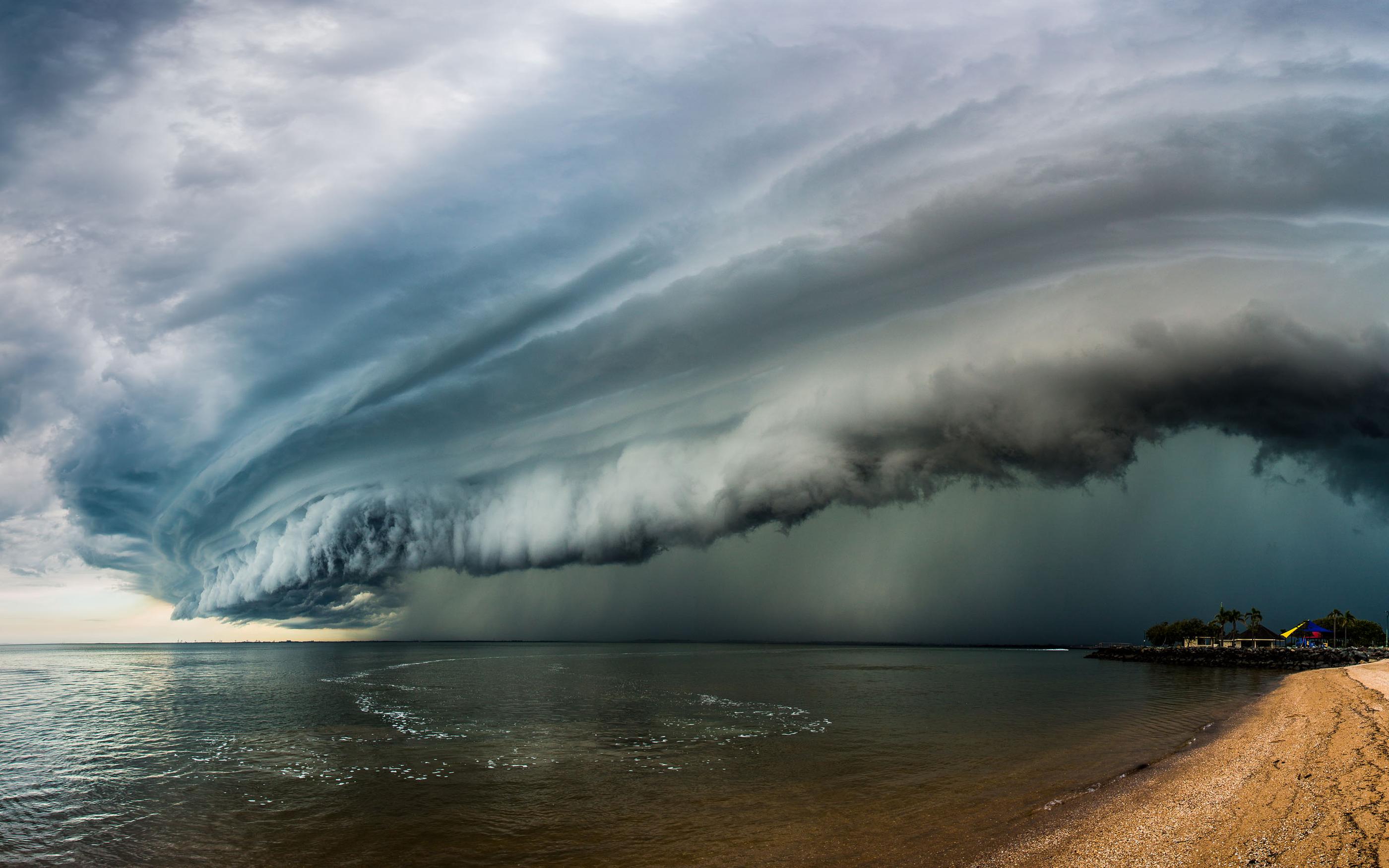
- Scrutiny remains on high-hazard natural catastrophe and climate-driven weather exposures, including wildfires and convective storms.
- The market is beginning to experience insurer consolidation.
- Insureds continue to face volatility from economic uncertainty and supply chain challenges.
Competitive market conditions expected to continue into 2027
The Canadian property insurance market remains highly competitive, with double-digit rate reductions continuing across many sectors. Depending on insured values, loss experience, submission quality and program structure, reductions can be achieved into the 30%-40% range. Market capacity remains abundant as both domestic and international insurers actively seek growth opportunities, including for natural catastrophe exposed risks. Underwriting profitability has remained strong, with Canadian insurers reporting half-year combined ratios generally ranging between 89% and 94%[1].
Many insureds have achieved both premium and program efficiencies by restructuring their insurance programs, including simplifying excess layers or consolidating capacity within a quota share structure. In addition, insurers continue to offer enhanced terms to secure participation on desirable risks, including increased sublimits, engineering fee allowances and multiyear agreements that provide pre-negotiated rate reductions at future renewals. Insurers are also re-engaging with risks that were previously viewed as challenging, seeking to deploy capacity on primary layers and natural catastrophe-exposed placements, particularly where pricing remains most attractive.
Looking ahead, it remains uncertain whether recent consolidation within the insurance industry will reduce available market capacity and moderate current competitive conditions. Notable transactions include Definity's acquisition of Travelers Canada, Wawanesa's pending acquisition of Everest Canada and global deals such as Zurich's acquisition of Beazley and Sompo's acquisition of Aspen. While the market remains highly competitive today, the longer-term impact of these transactions on capacity, pricing and underwriting appetite is yet to be determined.
Natural catastrophes continue to draw insurer scrutiny
Canada continues to experience the majority of its natural catastrophe and severe weather events during the third quarter; however, the resulting loss activity remains concentrated within the Personal Lines sector, with a comparatively limited impact on the commercial property market. While 2026 has experienced fewer catastrophe events than the record-setting $9.1 billion in insured natural catastrophe losses recorded in 2024, total losses for the year are still being assessed following severe flooding in Southwestern Ontario, convective storm activity in Alberta and wildfires across British Columbia.[2]
The recurring concentration of catastrophe activity during Q3 continues to place pressure on the Canadian insurance industry, as insurers manage elevated claims volumes, increased demand on adjusting resources and potential delays in site inspections and loss assessments.[3] Emergency response efforts, safety concerns, road closures, evacuation orders and restrictions imposed by local authorities can further prolong the claims adjustment and recovery process.
In light of these exposures, insureds are encouraged to regularly review their insurance programs to ensure property values, coverage extensions, sublimits, business interruption limits and indemnity periods remain appropriate. Particular attention should be given to ensuring that business interruption coverage adequately contemplates the full period required to restore operations and return the business to pre-loss levels of activity.
Economic uncertainty persists
Economic uncertainty continues to influence consumer behavior, creating additional challenges for demand forecasting and long-term business planning.[4] Tariff-related concerns continue to weigh on the Canadian economy, with certain industries experiencing a more pronounced impact than others. Insureds should closely monitor their supply chains and the cost of critical parts and equipment to ensure replacement cost valuations and program limits remain adequate in the event of a loss. In addition, site surveys and the timely completion of risk improvement recommendations remain important to enable insurers to deploy maximum capacity, particularly for organizations with large, complex, or highly specialized exposures.
Footnotes
- Intact beats Q1 street forecasts with 91.3% combined ratio Return to article
- Frequency the story of 2026 NatCat season: Aviva Canada CEO [Canadian underwriter daily] Friday, August 14, 2026 Return to article
- B.C. wildfire expected to spawn influx of living expenses claims Return to article
- Canadian Insurance Outlook 2026: navigating uncertainty, unlocking opportunity; Insurers faced $688 mn in losses after storms triggered flash floods in Ontario Return to article
Contacts
Download