
Research themes
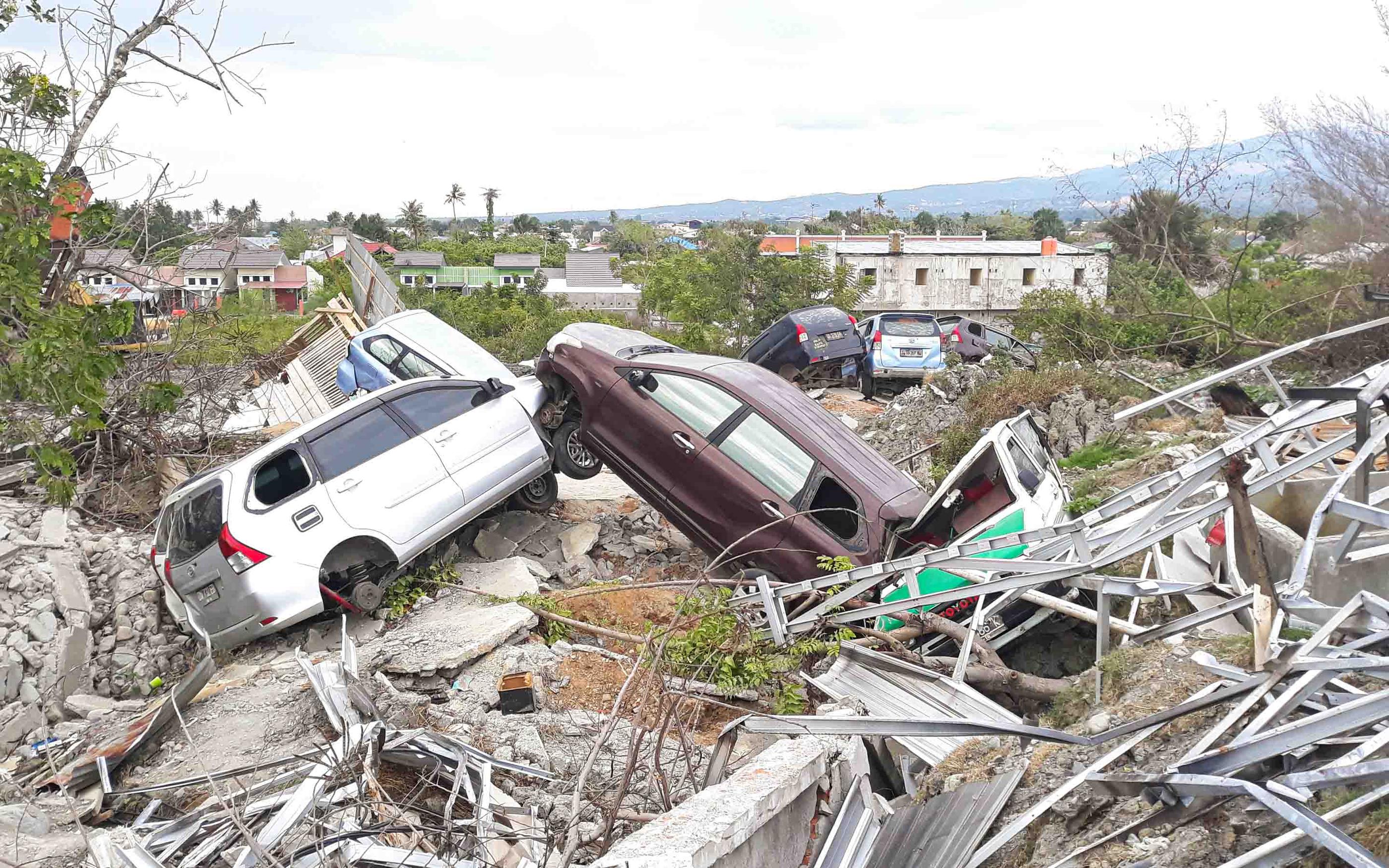
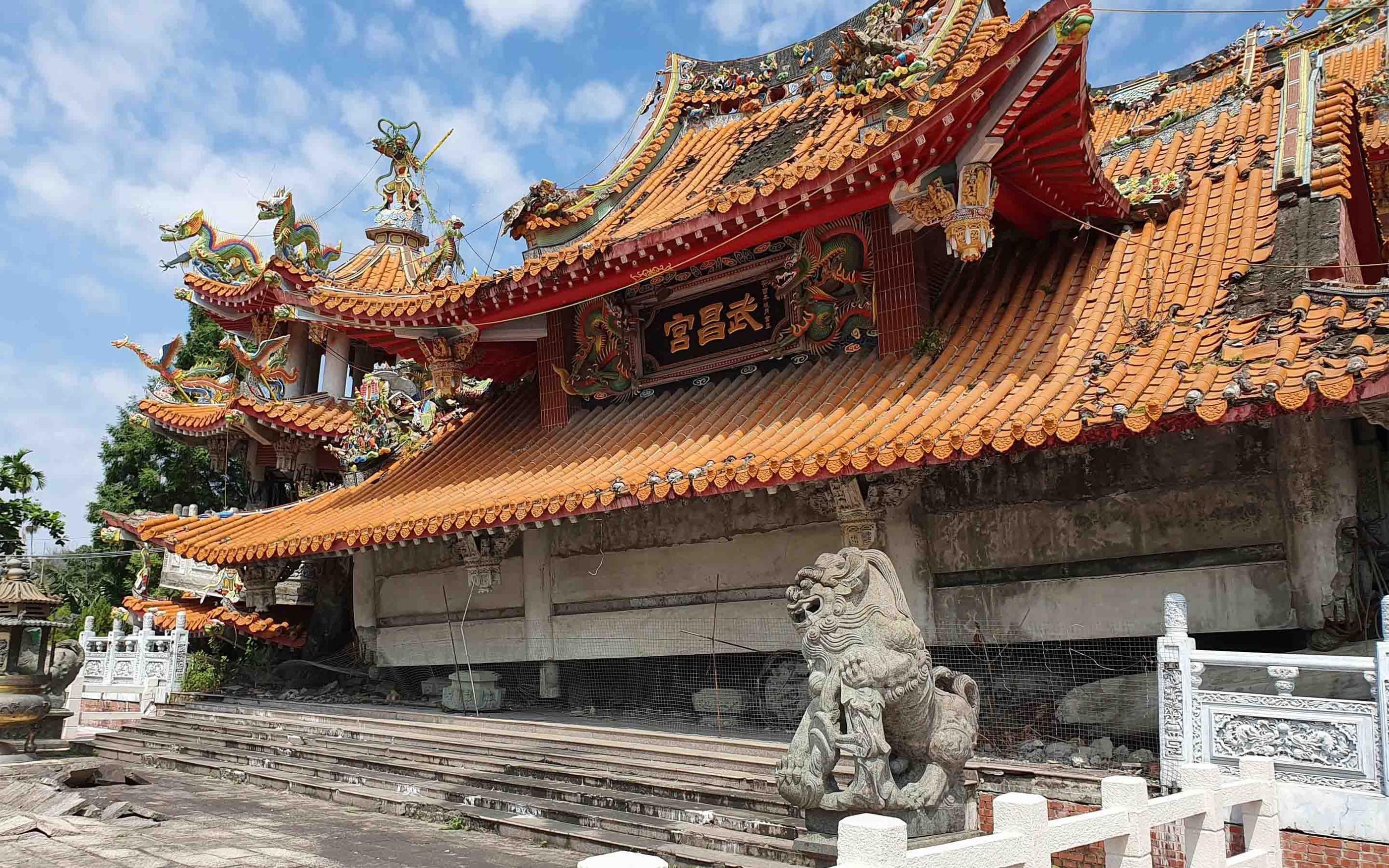
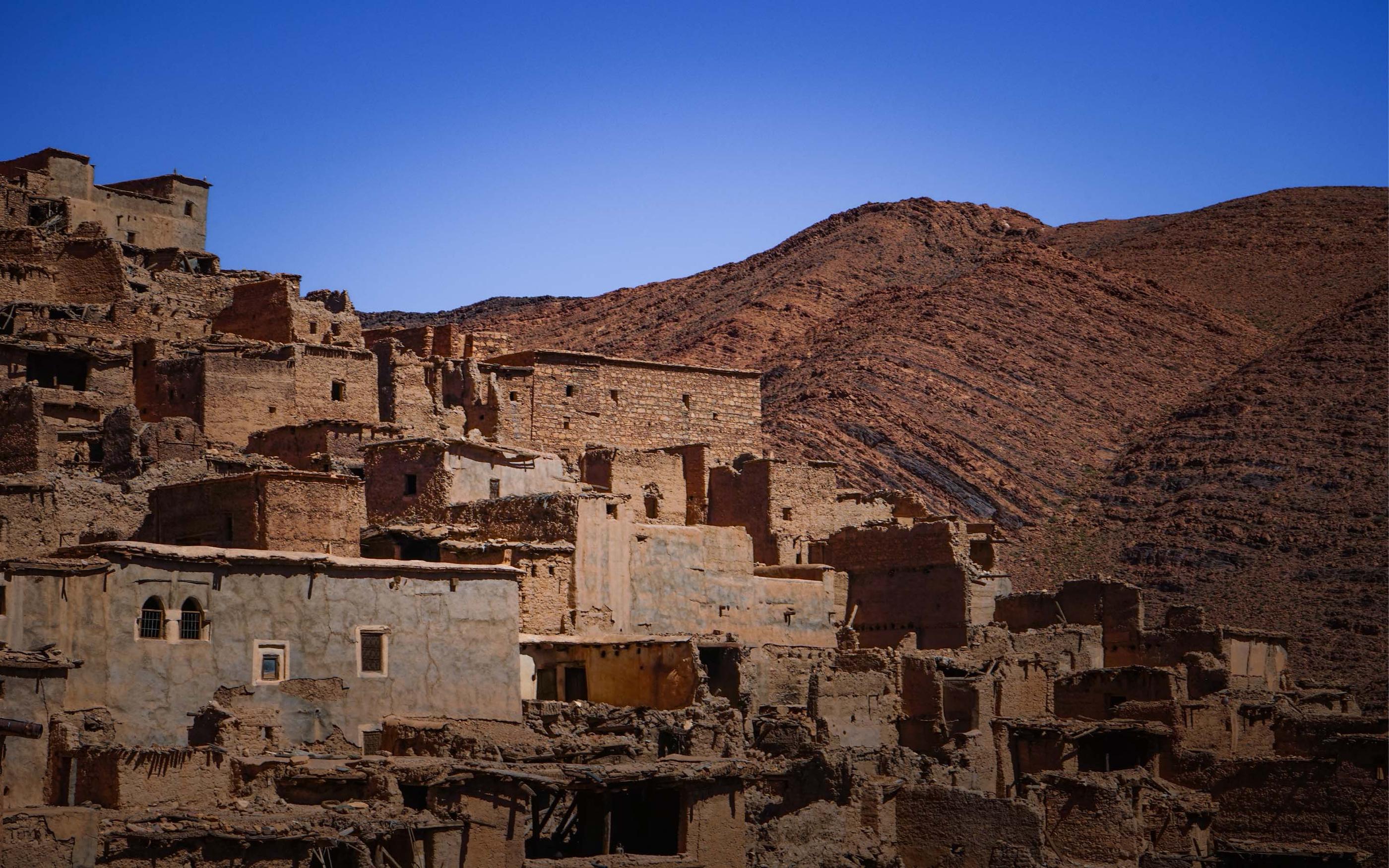
The Willis Research Network’s earth risk program explores the occurrence of geological hazards and their secondary effects, how these are affected by extreme weather and the changing climate, and the changing vulnerabilities of exposed populations. Through partnerships exploring the challenges of Probabilistic Seismic Hazard Assessment (PSHA), earthquake exposure and vulnerability modelling, risks from ‘secondary’ seismic hazards like landslide, tsunami and soil stability on infrastructure, volcanic hazard impacts on global transport and trade, and the use of novel analyses like downward counterfactual scenarios and understanding of population displacement, we can help WTW and its clients understand earth risks and improve resilience.
Featured projects
Through development of a mosaic seismic hazard and risk model, open-source datasets and tools, GEM allows for improved global PSHA and modelling capability.

A longstanding partnership with UCL has included research on machine learning, time-dependant seismic risk assessment, and post-disaster population displacement.

Using high-performance computing, Mitiga is able to develop volcanic hazard cat bonds, footprints, and parametric solutions.
From worst-case scenarios for large eruption events, to assessing ash risks to global shipping, the GVRA aims to improve resilience to volcanic risks.
This research, with Cambridge University and the British Geological Survey, explores seismic hazards from un-mapped faults to infrastructure in Central Asia.
Plymouth’s ‘Quake4D’ project examines challenges in current PSHA approaches, through use of synthetic earthquake catalogues and novel seismic hazard maps.
In conjunction with GEM and D’Annunzio University, this work explores how use of ground motion models, site effects and epistemic uncertainty affects insurance pricing.
Contact