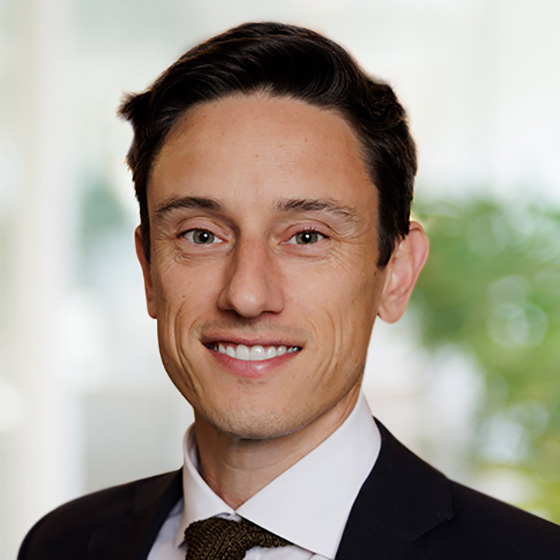
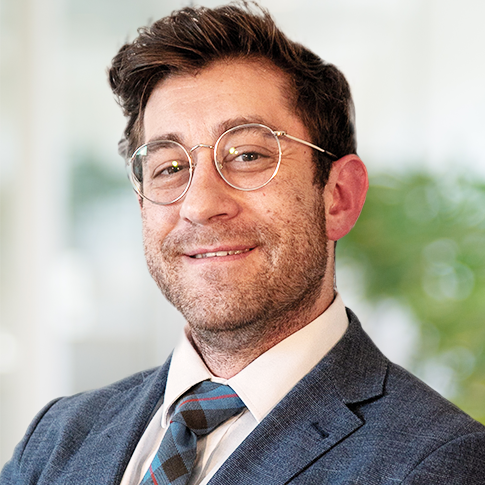
PETER BRANSDEN: Got it. And of course, prevention is better than cure. What are some of the preparedness strategies that you're finding clients are eager to employ?
SUZANNE LOUGHLIN: Yeah, well, look. When we're thinking about the threat of an active assailant, we're talking about it's a people problem. This is an individual who, for whatever reason, has chosen to target you or someone who works for you or one of your stakeholders, whether it's for ideological reasons, whether it's targeted because they have some grievance. But at the end of the day, the focus is how do we prevent those things from happening in the first instance.
But to do that, everything starts with risk assessment. How do we know what could go wrong? What are the types of threat actors that we could be confronting? What could drive them to want to actually perpetrate an act of violence? Because that's really, a measure of last resort for most people.
PETER BRANSDEN: Yeah.
SUZANNE LOUGHLIN: And then once you identify the risks, you're able to then put plans in place, procedures, policies, things that will help mitigate the likelihood of a person wanting to come to your workplace and do harm to begin with. So I would say it's risk assessment. It's planning. And then it's training your people on knowing what to do if the worst does happen.
PETER BRANSDEN: And speaking of risk, we're here at RIMS, the risk management conference. Obviously, risk managers are an important seat around the table. What other functions within companies should be part of that conversation when preparedness is being talked about?
SUZANNE LOUGHLIN: Look, preparedness and the steps you're going to take to make yourself more resilient to this threat, this threat of violence, is not owned by one person in an organization. I think the risk manager has the opportunity to kind of be the leader and aggregate all those resources and try to emphasize the importance of why it is multidisciplinary. So I think it's a function of risk, legal, safety, security, strategy, operations, all of that. I mean, there's a role for everyone to play because this is a threat and a response capability you need to build that becomes cultural. It's not something you just do once and you're done. This is a program you work throughout the year.
PETER BRANSDEN: Sure. So, Suzy, your firm, CrisisRisk, has a tight involvement with Beazley, who offer an active assailant coverage.
SUZANNE LOUGHLIN: We do.
PETER BRANSDEN: Can you talk about why it's so important that there's a seamless communication between, on the one hand, the insurer, on the other hand, the crisis response firm in the days and weeks after a tragedy?
SUZANNE LOUGHLIN: Sure. So yes, we have been involved with that program. We're in our 10th year now. So as you know, Beazley was one of the first to market with a product like this. But what really makes this product very different is that it starts with this prevention focus. So it's all about how are we going to put capabilities in place that will enable and insured to prevent where possible.
So we break down the insurance kind of transaction in four time frames-- before, imminent, during, and after. So before is now. That's that risk management period where we all have a chance to do something before the event occurs. Imminent-- that is an opportunity to really stop something that's just about to happen. So how do we recognize what are those warning signs, those behaviors that a person may be exhibiting who's on a path to violence?
And what do we do to stop it? How do we intervene? How do we take them, kind of-- we use this metaphor that people who perpetrate these acts are sitting on a fence. And not everyone gets pushed off the fence to actually do the violence. It's usually the person who doesn't have either a support network or people who care enough to get them off that fence and get their life back on track. So having the ability to call a responder or someone who could give you advice in the moment is very critical for prevention.
Then you get to during. So now that's what you're asking. What are those things in those very first minutes and hours that have to come forward, and why is the relationship between the response firm and the carrier so critical? So during means, OK, you've had an event. And as soon as the life safety issues are dealt with, meaning you've gone into lockdown or whatever you've had to do internally, as soon as people are safe, doesn't mean everybody's OK.
But as soon as they're safe, the next phone call after 911 should be to us. And the way the policy is designed, the policy has certain coverages that are going to kick in right away. Crisis management support-- that comes from us. The policy will pay for things like counseling, funerals if, God forbid, we're dealing with fatalities, biohazard cleanup, medicals. But in order to deliver those things at the right time, there's no time for trying to lay the groundwork after something's happened, no time to ask for permission. The mother, may I, that doesn't work. That causes delays.