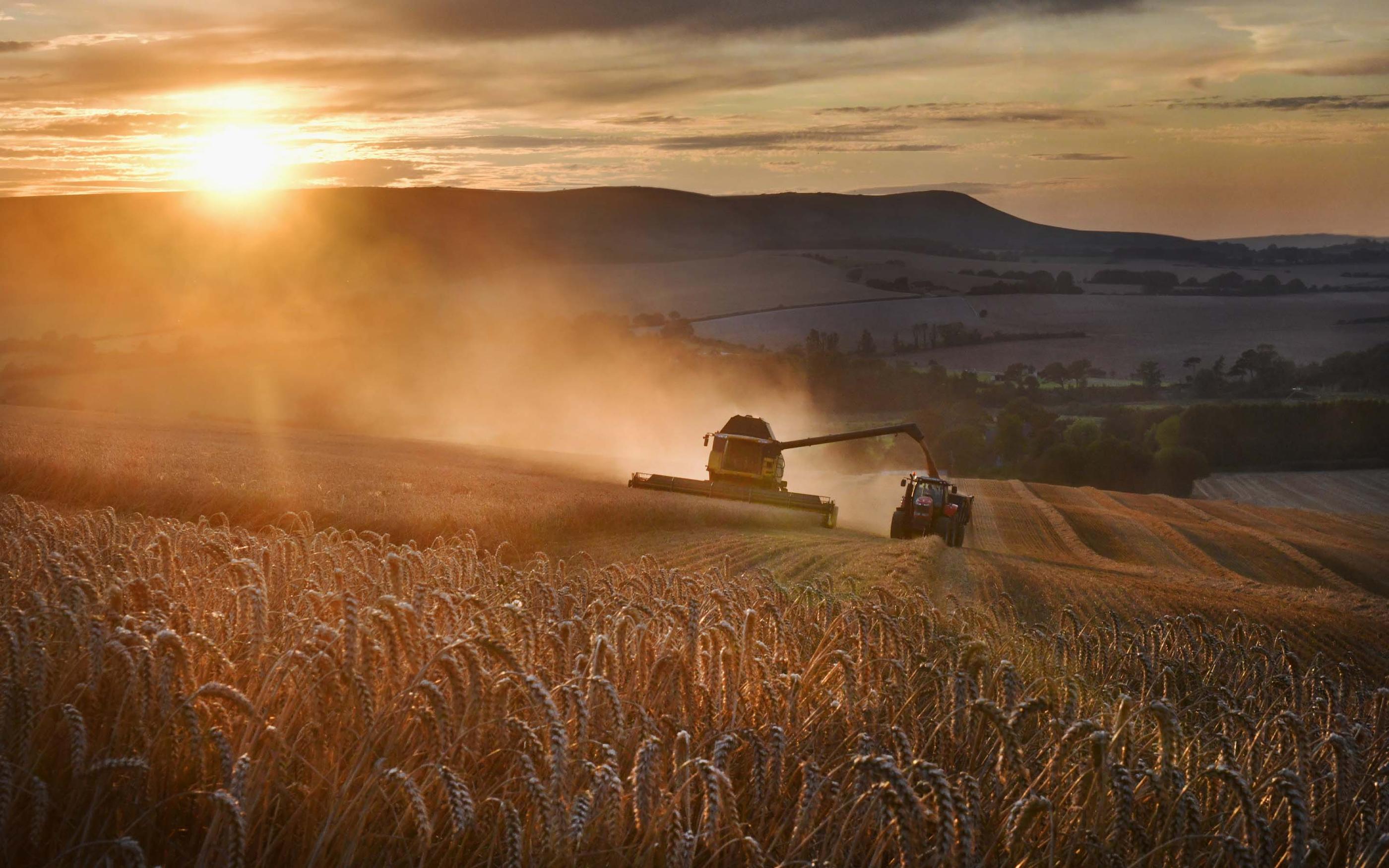
Farmers have been managing the risks to productivity throughout human history, for example, by selecting the most appropriate choice of crop to plant according to state of soil moisture at the time. This is efficient, dynamic risk management the old-fashioned way.
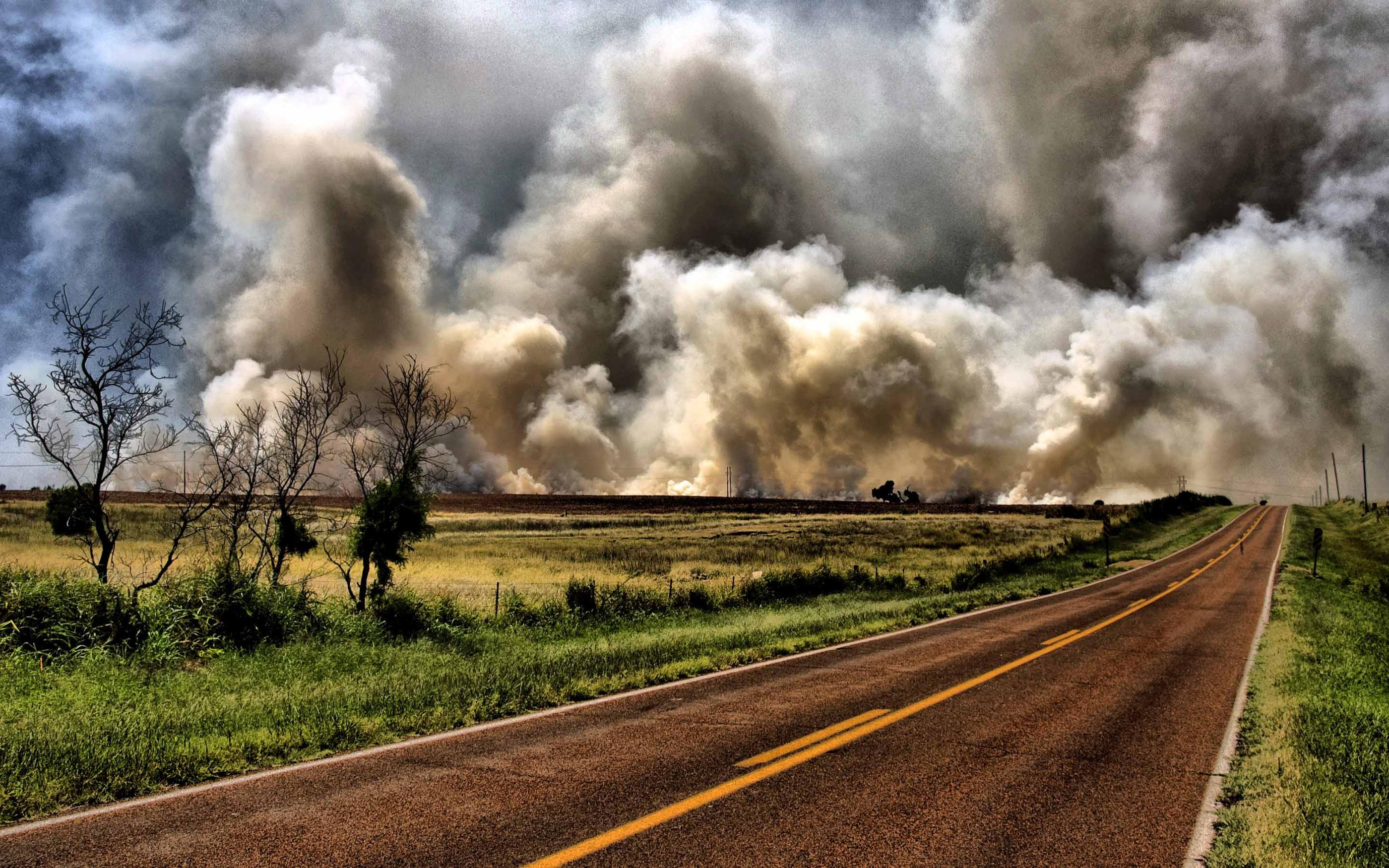
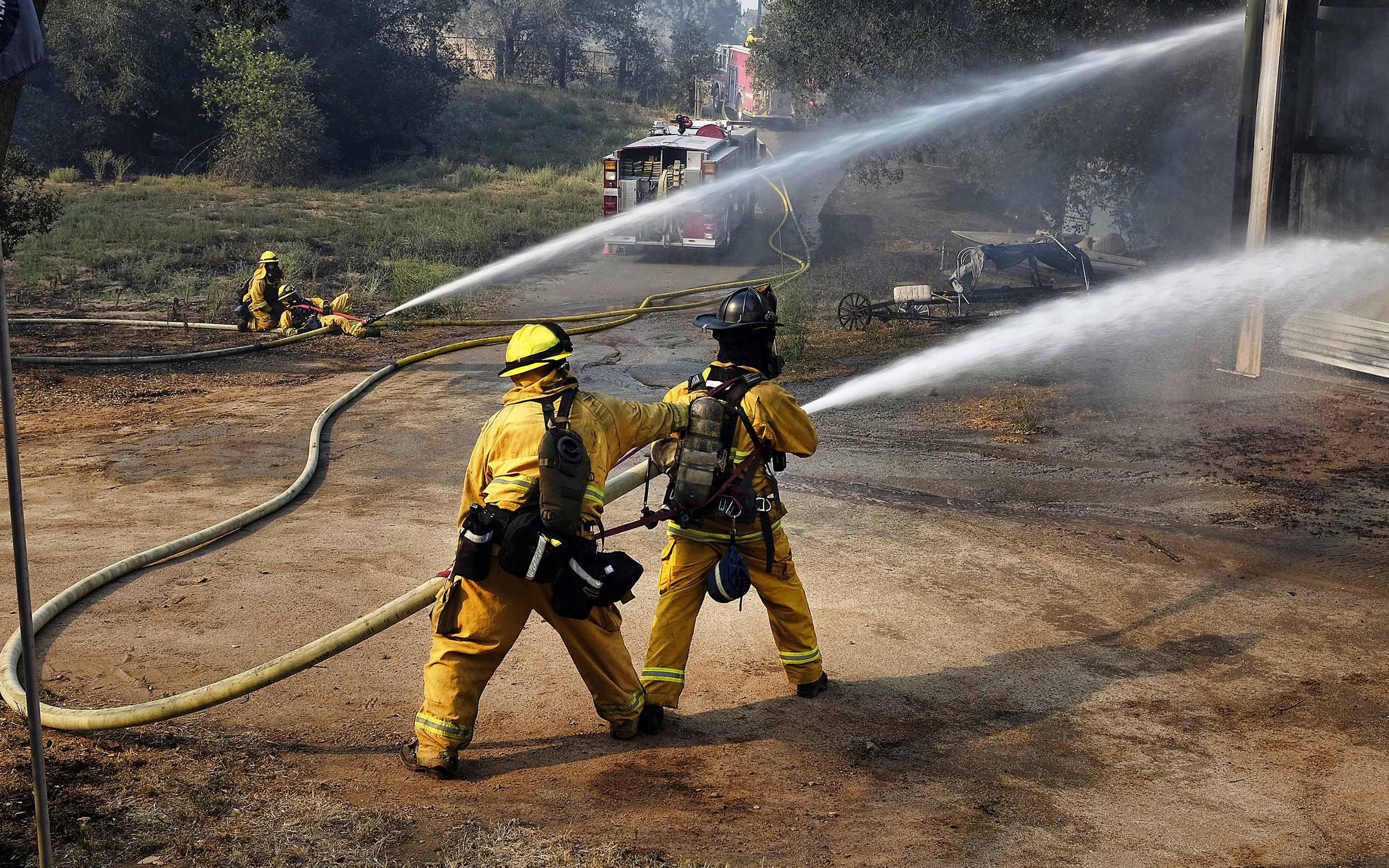
From the late 19th century the traditional way of protecting against the risks of perils, including hail, drought, flood, frost, heatwave and windstorm, has been indemnity insurance.
But just as farming techniques have evolved, today, farmers benefit from new sources of data and technology, combined with alternative risk transfer options, to better protect their interests. What’s more, these alternative solutions can allow farming supply chain partners, from processors, manufacturers and retailers, to protect their particular interest in the primary inputs into global food and beverage.
What obstacles do farmers face with traditional insurance?
Traditional crop insurances rely on accurate measurements taken at field or farm level. However, visiting farms and fields, often in remote locations can prove both time-consuming and may not give farmers the payouts they need to recover from losses when they need them.
Also, if a loss event is widespread, impacting many growers at the same time, there may not be enough experienced individuals to carry out the necessary loss evaluation work fast enough.
That’s when alternative insurance arrangements, such as parametric solutions can benefit both farmers and their supply chain partners.
What benefits do parametric solutions offer farmers?
Parametric solutions differ from more traditional, indemnity-based insurance contracts. They don’t rely on on-the-ground loss adjustment, as there is no need to prove loss, as in indemnity insurance. Instead, the insurance contract provides a payment based on a threshold being met on a pre-agreed scale or index. Such an index may be quite simple, for example, the millimetres of rainfall recorded during the growing season or a critical part of it. Indices can also be temperature based: how many hot (or cold) days at prescribed temperature are recorded.
Parametric insurance payments are made automatically when contract terms have been met, without any need to ‘claim’ in the conventional sense.
Parametric insurance also differs from traditional because payments are made automatically when contract terms have been met, without any need to ‘claim’ in the conventional sense. While the index will have been calibrated to reflect conditions that are likely to have caused a crop loss, the actual condition of the crop, and resulting harvest, are not considered when the payment is calculated.
Parametric solutions can be applied in varying forms and to address distinct risks that impact across the supply chain, including cropping (both annual and perennial) and also livestock, aquaculture and forestry.
How can satellite technology and parametric insurance protect farming supply chains?
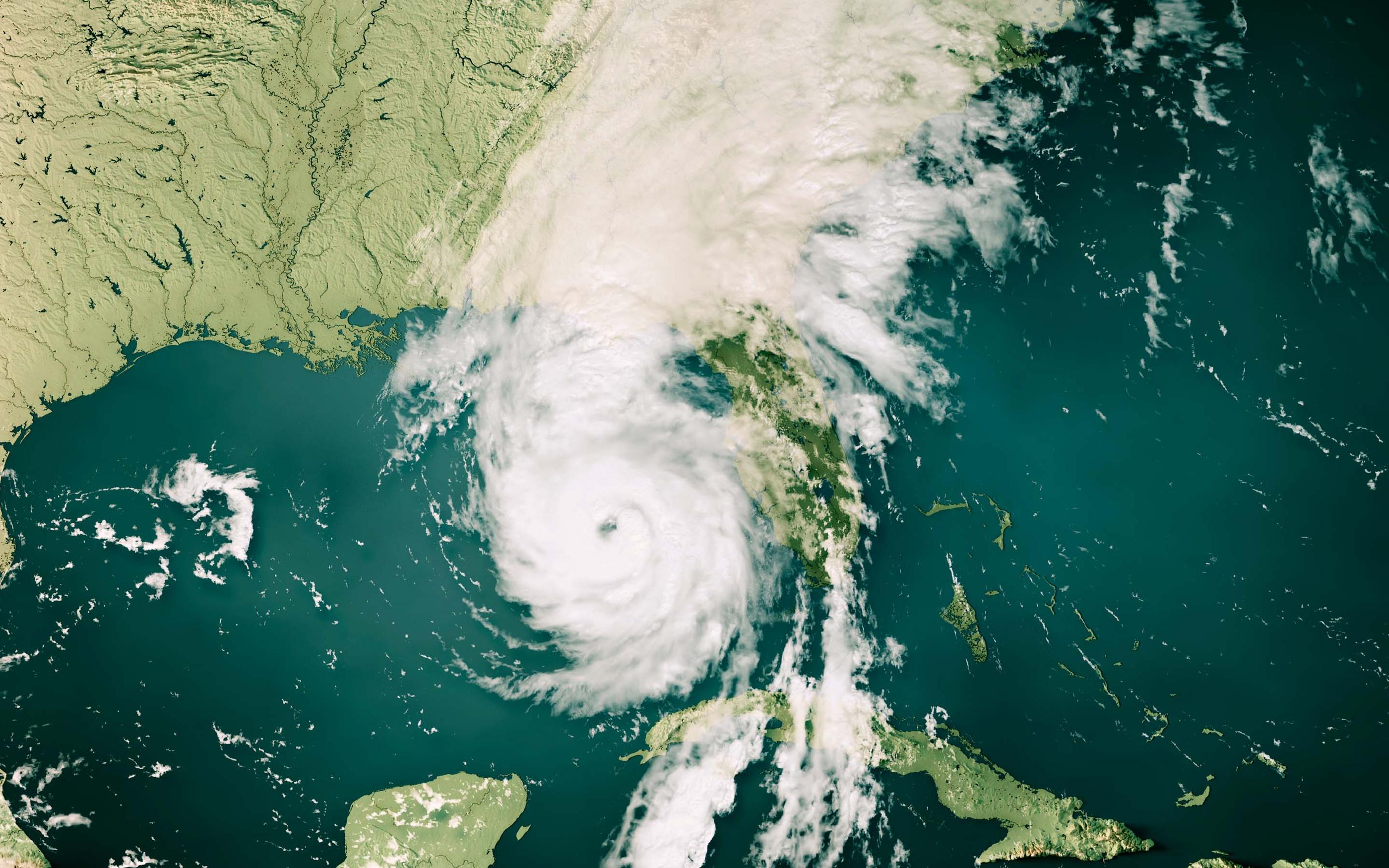
The routine availability of remotely observed data from satellite sources removes the need for insurers to visit the location of the insured assets for either risk or loss assessment. Such data sources let insurers measure vegetation health and evidence of burning remotely.
Such data, when combined with parametric insurance arrangements, enables interested parties up and down the food chain to protect their interests. If your business relies, for example, on the successful harvest of coffee in Brazil but you’re not the grower of that coffee crop, you can still protect your interest with an appropriately designed parametric contract.
Traditional contracts of insurance are typically regulated so the policyholder must have an ‘insurable interest’ and, in the event of a claim against the policy, to show a ‘proof of loss.’ Parametric contracts can operate outside traditional constraints. This flexibility enables partners across supply chains to achieve a broader range of risk management objectives.
How can farmers take the first step towards parametric insurance?
Parametric insurance may sound complicated and sophisticated but, in practice, almost the reverse may be true. While it may take the careful input of highly skilled experts to construct such products and to ensure they are fit for purpose, for the end user they should be easy to understand with payments, when due, being swiftly settled.
If you’re a farmer or would like to explore protecting an agricultural supply chain partner with parametric insurance, your first step would be to assess your supply chains and their vulnerabilities. Geospatial analytical tools, for example, can help you quantify the likelihood and severity of multiple perils across global supply chains.
To better protect your food and beverage supply chain with parametric insurance solutions, contact our specialists.
Disclaimer
WTW hopes you found the general information provided here informative and helpful. The information contained herein is not intended to constitute legal or other professional advice and should not be relied upon in lieu of consultation with your own legal advisors. In the event you would like more information regarding your insurance coverage, please do not hesitate to reach out to us. In North America, WTW offers insurance products through licensed entities, including Willis Towers Watson Northeast, Inc. (in the United States) and Willis Canada Inc. (in Canada).