Mifepristone is one of two prescriptions used jointly in medication abortions, and its availability has been challenged by anti-abortion activists. An ongoing court case and potential regulatory changes could have broad impacts on access to this aspect of reproductive healthcare for employer populations.
Two-thirds of early-stage abortions are currently performed using medications, in contrast to the past, where most abortions required a procedure. Telehealth prescribing of those medications is an important point of access, supporting 27% of all abortions in the first half of 2025. Telehealth prescribing and receiving mifepristone via mail-order are at the heart of the current court case.
FDA expansion and state-level restrictions
After the Dobbs v. Jackson Women’s Health Supreme Court decision in 2022, states were able to enact their own laws on abortion access. In 2023, the Food and Drug Administration (FDA) expanded access to mifepristone, which has a robust safety profile since it was approved in 2000. They removed a previous requirement that the prescriber dispense the medicine to the patient in person. This allowed telehealth prescribing, mail delivery and pharmacy dispensing of mifepristone.
Louisiana v. FDA
The state of Louisiana, which has a very restrictive abortion law, brought a suit in Louisiana v. FDA and argued that the FDA’s rules on telehealth prescribing and mail-order/pharmacy distribution of mifepristone undermined the enforcement of its abortion ban. On May 1, 2026, a federal appeals court agreed that Louisiana had a legal right to sue and granted the state’s request to restore the in-person requirements while litigation continued. This resulted in a brief nationwide ban on the use of telehealth to prescribe mifepristone, as well as the mail-order delivery of that medication.
The Supreme Court steps in
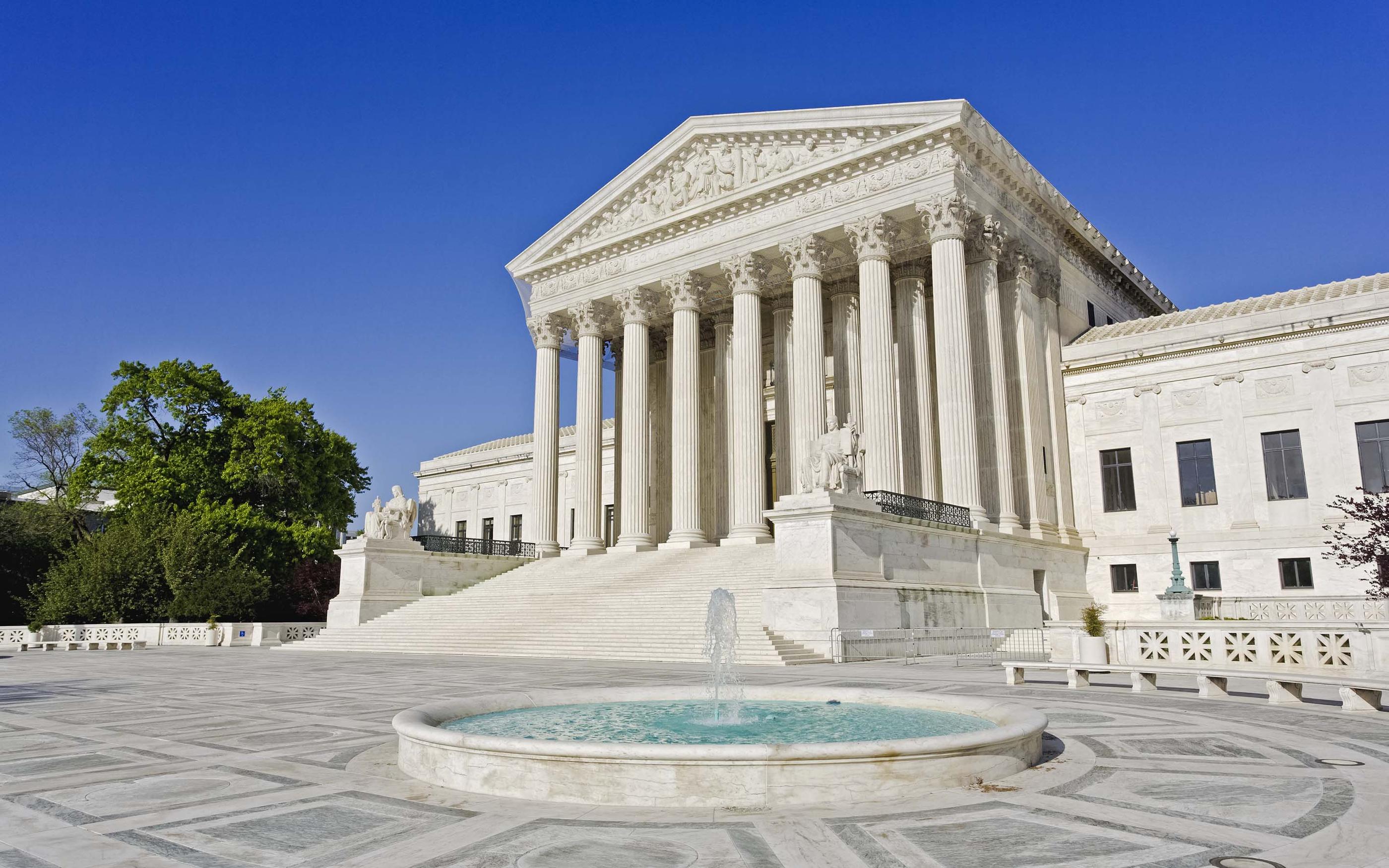
This decision was appealed immediately by mifepristone drugmakers to the U.S. Supreme Court, which placed a temporary stay on that federal appeals court ruling, effectively allowing the 2023 rules to remain in effect. Operationally, this means that for the time being, members who are prescribed mifepristone via a telehealth visit can have that prescription mailed to them.
The Supreme Court’s stay is effective until the full hearing and disposition of the case by the federal appeals court. After the appeals court issues its decision, if a timely appeal is filed with and accepted by the Supreme Court, the stay will remain effective until the Court issues an opinion. However, if the Supreme Court denies any appeal, the stay will terminate automatically.
The continued availability of mifepristone isn't assured. The FDA announced it will review the safety of mifepristone and could return to more restrictive rules or even withdraw approval of the medication.
What does this mean for employers?
As long as the current status continues, employers don't need to make any changes to their plan design or coverage. During this period, employers may consider reaching out to their medical carrier and pharmacy benefit manager to understand how to support members who need this type of reproductive healthcare should the court reinstate the requirement for in-person visits and ban mail-order delivery of mifepristone. Employers may wish to review travel benefits with legal counsel to confirm that the benefit is clearly defined.
A note on misoprostol
If access to mifepristone is ultimately constrained, women and families will still have access to the other drug used in medication-based abortions, i.e., misoprostol. Misoprostol is also used for the treatment of ulcer disease, and opponents of abortion access haven't challenged its availability. Use of misoprostol alone isn't as effective, and has greater side effects, than the use of both mifepristone and misoprostol together.
Authors