Choose your location
Select the location and the language that you prefer

main content, press tab to continue

The new risk landscape for corporate executives

March 17, 2025

Recent events, notably the attack on UnitedHealthcare CEO Brian Thompson, have thrust the security concerns of corporate executives into the spotlight. The incident has re-energized the debate around the health insurance market in the U.S., which has translated into escalated threats, harassment, and potential acts of violence not only against those in that sector, but wider ‘Corporate America’ and industry abroad. Highlighting the urgent need for companies to address a range of new and evolving security concerns.

The UnitedHealthcare shooting serves as a stark reminder that acts of violence can occur anywhere, even in seemingly secure and well-managed environments. This incident has prompted a widespread re-evaluation of corporate security protocols, with many companies now recognizing the need for a more comprehensive and proactive approach to executive risk management.

While no single security measure can guarantee absolute safety, a multi-faceted framework that generates a clear picture of your organization’s executive risk landscape and addresses appropriate and proportionate physical, personnel, and information security controls can significantly reduce the risk to an organization’s c-suite and senior leaders.

Disclaimer

WTW hopes you found the general information provided here informative and helpful. The information contained herein is not intended to constitute legal or other professional advice and should not be relied upon in lieu of consultation with your own legal advisors. In the event you would like more information regarding your insurance coverage, please do not hesitate to reach out to us. In North America, WTW offers insurance products through licensed entities, including Willis Towers Watson Northeast, Inc. (in the United States) and Willis Canada Inc. (in Canada).

Contacts

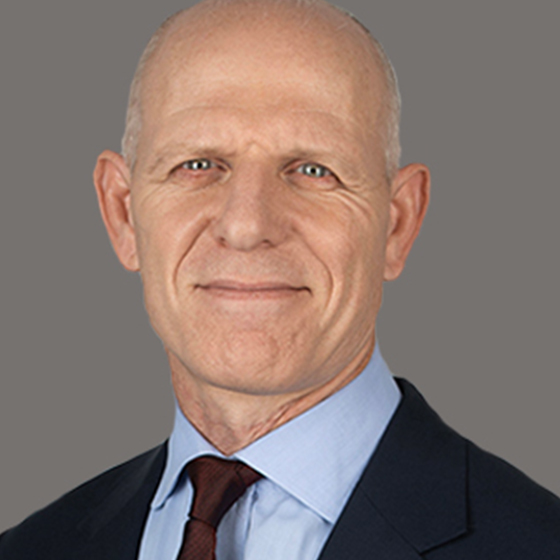
Robert Taylor, Head of Alert:24

Robert Taylor

Head of Alert:24

Patrick Rogers, Head of Risk Advisory, Alert:24

Patrick Rogers

Head of Risk Advisory, Alert:24

With extensive experience supporting organizations through complex security and crisis events, Patrick leads the Risk Advisory team at Alert:24. He works with clients to assess emerging threats, strengthen resilience, and develop practical strategies for managing terrorism, political violence, active assailant, geopolitical disruption, and other security-related risks.
Mark Allison, Head of Crisis Support, Alert:24

Mark Allison

Head of Crisis Support, Alert:24

Carl Dobson, Head of Intelligence, Alert:24

Carl Dobson

Head of Intelligence, Alert:24

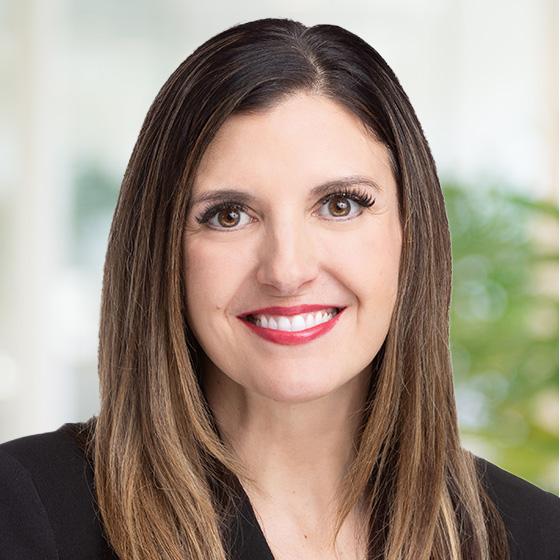
Kate Colberg, Risk Advisory Lead, North America, Alert:24

Kate Colberg

Risk Advisory Lead, North America, Alert:24

Kate Colberg began her career with the U.S. State Department’s Overseas Security Advisory Council (OSAC), focusing on South and Central Asia. After leaving government service, she built a 20+ year career in risk and crisis management, serving as a response consultant and case manager for numerous incidents including kidnap for ransom, piracy, extortion, and unlawful detention. Her expertise includes coordinating evacuations for multinational corporations, conducting physical site security assessments for corporate and government clients, and delivering international travel safety training tailored for female travelers. Kate has spoken at major industry events, including as keynote for the National Women in Business Aviation Conference. She holds a B.S. in Global Security and Intelligence Studies, is CPP-certified, and remains active in ASIS and OSAC.

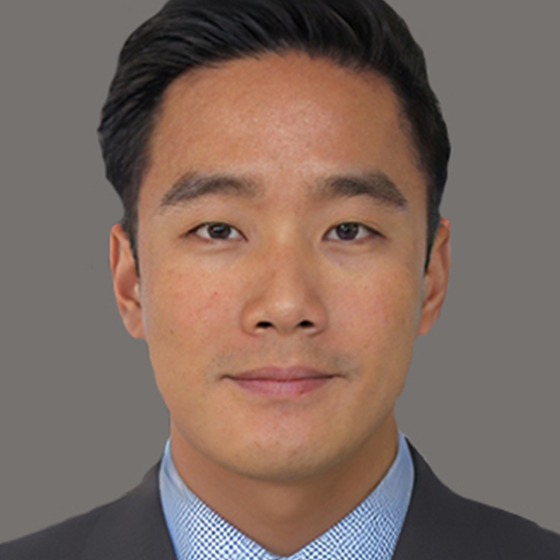
Marcus Chew, Risk Advisory Lead, Asia Pacific, Alert:24

Marcus Chew

Risk Advisory Lead, Asia Pacific, Alert:24

Article

Crisis Management Annual Review

Service

Alert:24

WTW’s specialist security and crisis management advisory practice.