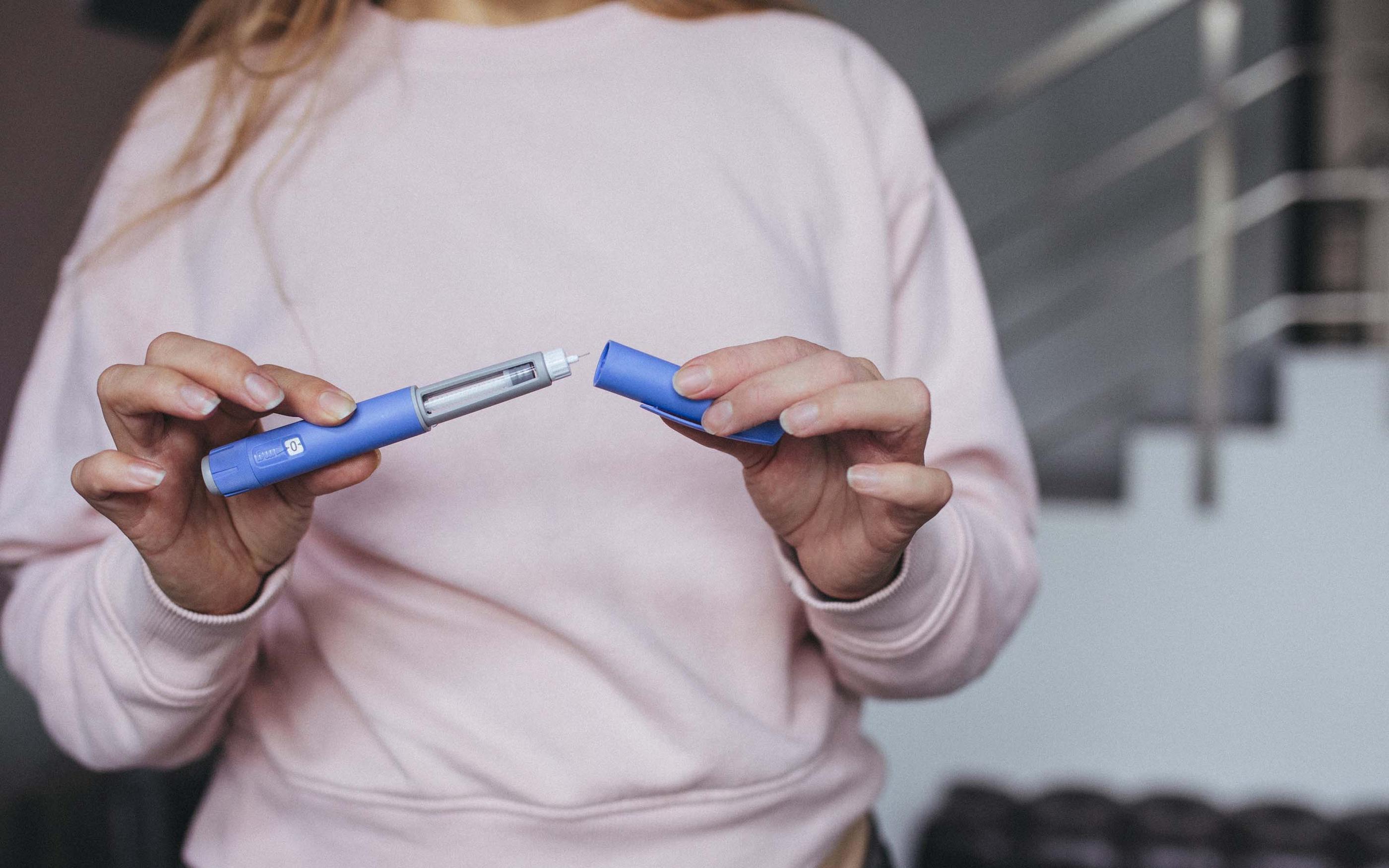
The cost of GLP-1 medications for obesity has driven large increases in pharmacy trends over the last three years. Despite the clear clinical benefits of these drugs, some employers and plan sponsors have chosen to discontinue coverage over cost concerns. Medicare has gone in the opposite direction, beginning coverage of obesity GLP-1s for beneficiaries as of July 1, 2026.
From BALANCE to Bridge
The Centers for Medicare and Medicaid Services (CMS) first announced the BALANCE (Better Approaches to Lifestyle and Nutrition for Comprehensive hEalth) model. It would have covered obesity GLP-1s through existing Medicare Advantage and Part D private plans starting in 2027. Manufacturers had agreed to a $245 monthly net price for GLP-1 prescriptions, with patients paying a $50 copay.
However, not enough private insurers were willing to participate. CMS is instead running an 18-month demonstration project (Bridge), where the obesity drugs are covered directly by taxpayers and future Medicare premiums. Bridge operates outside the standard Part D benefit; CMS administers it directly, rather than through individual Part D plans. CMS pays $245 per 30-day supply and patients pay a $50 copay. Medicare is not allowed to cover obesity medications outright. Congressional efforts to change that have so far been unsuccessful. These demonstration programs are CMS's workaround using its existing waiver authority.
What Bridge covers
Bridge covers weight-management use only. Patients using a GLP-1 for type 2 diabetes, obstructive sleep apnea, or other approved Part D uses continue to access the drug and pay applicable cost-sharing through their existing Part D plan.
Program mechanics
- Eligibility: BMI ≥35; BMI ≥30 plus certain other conditions; or BMI ≥27 plus prediabetes or cardiovascular disease.
- Cost-sharing: The $50 monthly copay doesn't count toward Part D out-of-pocket maximums. Part D Low-Income Subsidy protections don't apply to Bridge claims. This is a real access barrier for lower-income beneficiaries.
- Administration: Providers submit prior authorization requests directly to Humana rather than to the beneficiary's Part D or Medicare Advantage plan.
- Covered drugs: Wegovy (semaglutide - oral and injectable), Zepbound (tirzepatide - injectable) and Foundayo (orforglipron -oral).
Implications for employers
- Uptake of obesity GLP-1s has generally been lower among beneficiaries over 65 than among those on commercial plans. This may mean that the near-term cost impact on Medicare may be muted relative to headline enrollment numbers.
- Employees whose company-sponsored Medicare Advantage (MA) plan currently excludes obesity GLP-1s will gain access through Bridge. Their doctors will need to navigate the prior-authorization process with Humana.
- Employees whose MA plan already covers obesity GLP-1s generally continue to get coverage through their existing plan. They may not be eligible for Bridge.
- The visibility of a $50 Medicare price point could increase pressure on employers to maintain or institute coverage for GLP-1 obesity medications in their own commercial plans.
- The CMS-negotiated discounted price could pull commercial pricing lower over time. That effect isn't guaranteed and depends on how manufacturers price outside the Medicare channel.
Author