AI-powered ambient scribes are rapidly transforming clinical documentation by converting patient-clinician conversations into structured medical notes. Supporters argue compellingly that these tools reduce administrative burden, improve efficiency and return valuable time to direct patient care. But as adoption accelerates, so does a more pressing question: can healthcare organizations govern these tools well enough to trust what they leave behind in the medical record?
Our latest report, Behind the notes: Decoding liability in ai-generated documentation, examines the legal, clinical and operational risks that AI ambient scribes introduce and lays out a clear framework for safer implementation.
The core finding is that AI scribes do not remove documentation risk; they redistribute it into new forms. Automation bias can lead clinicians to over-trust polished, AI-generated notes. Large language models can hallucinate, producing plausible clinical details that were never observed or stated. Note inflation can create an appearance of completeness that the underlying encounter does not justify. And under current legal expectations, the clinician who signs the note remains fully responsible for its content, regardless of how it was generated.
The report also addresses consent and transparency obligations, evolving standards of care, patient rights in the documentation process and the significant gaps that existing law has yet to resolve.
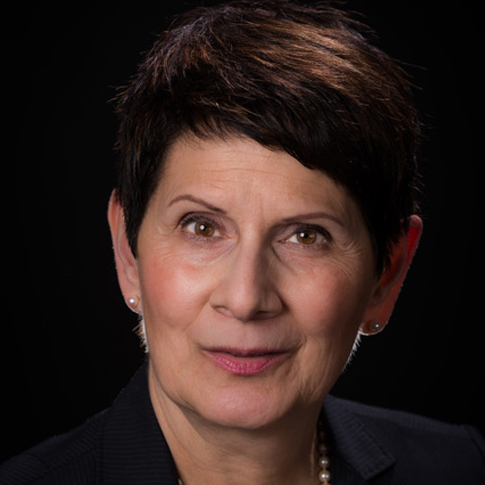
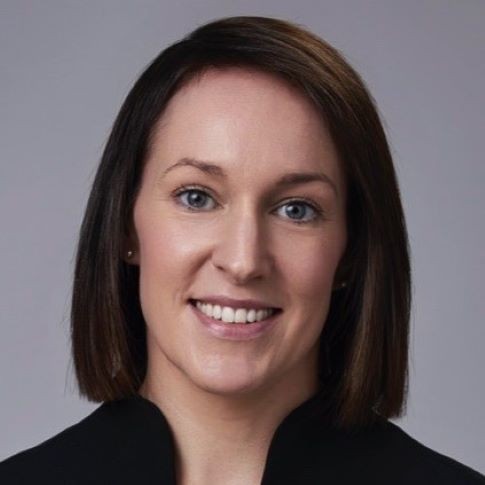
Drawing on expertise presented at the 2026 Willis Healthcare Risk Conference, our authors, Dr Harriet Lewis (Director, Clinical Risk & Patient Safety, Global FINEX Healthcare) and Joan M. Porcaro (Senior Vice President, Risk Services), set out eight practical steps for organizations ready to adopt AI scribes responsibly, including mandatory human review and sign-off, formal AI governance frameworks, standardized consent practices and robust vendor oversight.
Download the full report to access the complete analysis and implementation guidance.
Disclaimer
WTW hopes you found the general information provided here informative and helpful. The information contained herein is not intended to constitute legal or other professional advice and should not be relied upon in lieu of consultation with your own legal advisors. In the event you would like more information regarding your insurance coverage, please do not hesitate to reach out to us. In North America, WTW offers insurance products through licensed entities, including Willis Towers Watson Northeast, Inc. (in the United States) and Willis Canada Inc. (in Canada).
Authors