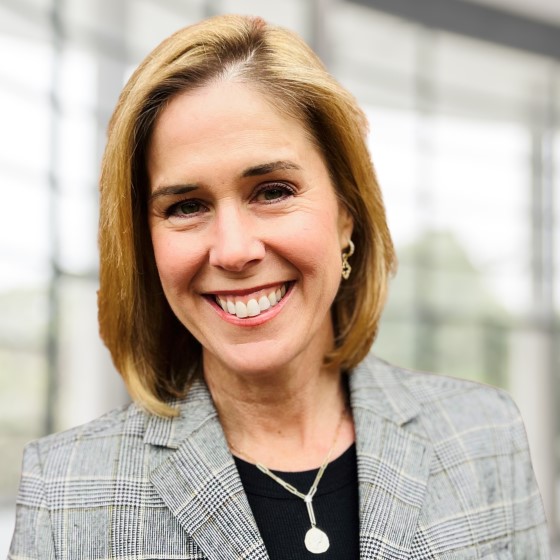
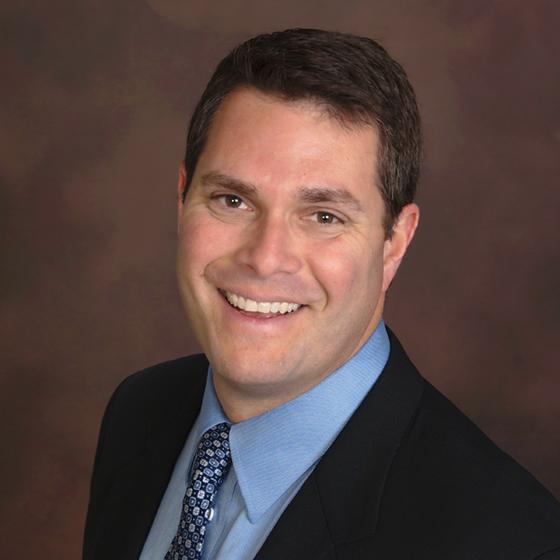
In this episode, WTW experts Margaret Rutter, Meghan Scott, and Eric Stanger join host Nina Krammer to discuss how higher education institutions are approaching retiree healthcare through the individual marketplace. They explain why colleges and universities are moving away from traditional group retiree medical plans to control rising costs, reduce administrative burden and expand retiree choice and personalization.
Through real-world experience shared by Via Benefits experts, the episode explains why colleges and universities are making this shift, what a typical transition looks like, and how it can reduce costs while increasing retiree choice and sustainability.
Transcript for this episode
Nina Krammer :
Welcome to The Via Benefits Exchange, a podcast where we share the latest market trends, legislative updates, and exchange of ideas for employers, plan sponsors and consultants looking to simplify healthcare benefit administration, reduce benefits related costs and liabilities, and elevate spending account offerings to employees and retirees.
Nina Krammer :
Welcome to The Via Benefits Exchange. Today I am joined by Margaret Rutter, Meghan Scott and Eric Stanger. Could you introduce yourselves? Margaret, let's start with you.
Margaret Rutter :
Hi, I am Margaret Rutter. I have been with WTW for 27 years and play a number of different roles. One of my areas of expertise is in helping organizations with change management and communication when making any type of retiree medical change, specifically a transition to the individual marketplace from a group health plan. Happy to be here today.
Nina Krammer :
Happy to have you here. Thanks, Margaret. Megan, can you introduce yourself?
Meghan Scott :
Hi, I'm Meghan Scott. I am a senior retirement consultant in actuary with WTW and have been with the firm for over 20 years. I work mostly with colleges and universities, and so I lead our higher education industry group within WTW.
Nina Krammer :
And Eric, can you introduce yourself?
Eric Stanger :
Sure. Happy to be here. I have been working with organizations who are evaluating and implementing retiree health exchanges for about the last 15 years, and in particular had a focus in the last seven or eight years on higher ed. And so worked through the complexities and the, the financial considerations in, in moving from group benefits to an exchange.
Nina Krammer :
Great. Well, thank you all for being here today. Eric, let's start with you. Most of our listeners probably already know what an individual marketplace is for our new listeners. Can you start by giving us just a quick overview of what the individual market or retiree exchange is?
Eric Stanger :
I'm happy to, and a lot of traditional employers provided their retirees with group health benefits, and that was before there was a thriving individual market for similar plans. And, and that market has been created by various legislation over the years and for the last 20 years for Medicare participants. And for the last 12 years for pre-Medicare participants, there has been a growing and increasingly stable competitive marketplace where people can go out and shop and find great choice and value and continue to have, uh, a subsidy from their, from their former employer. And so it's been a way for, for employers to increase stability and sustainability of their group benefits without necessarily diminishing the value and the, and the choice for, for their retirees.
Nina Krammer :
Eric, maybe, maybe Meghan, why would a college or university consider an individual marketplace for its retirees?
Eric Stanger :
Yeah, I, I mean, I think there's a couple of simple things that many higher education institutions are facing. The most obvious is dramatically rising healthcare costs for their retirees. They are doing their due diligence and, and looking at all different available options, and exchange is certainly one of them. I think the other is that supporting retirees is can, can often be really administratively burdensome and, and complex and take a lot of people's time and, and, uh, higher ed organizations are looking to streamline and, and modernize, uh, dare I say, I, we find many that are, that are looking at, at solutions that, you know, can take some of that administrative effort off of their plates.
Margaret Rutter :
And, and I'll pipe in too. I, I think there's a trend in higher ed specifically around personalization and, and empowerment. So giving retirees the tools and support to make informed decisions about their own healthcare is particularly compelling.
Meghan Scott :
And I'd say right now with all the challenges that higher ed is facing, I, those organizations that do have these traditional plans, I think are finding that just the costs are unattainable. And so it really is a triple win in that they could reduce their costs, provide choice and provide empowerment to their employees and, and solve some of their, you know, financial challenges all at the same time.
Nina Krammer :
Meghan, you just brought up the challenges that higher ed faces. In addition to that, what would you say are the biggest challenges colleges and universities face when trying to make major changes to retiree healthcare benefits?
Meghan Scott :
Yeah, I, I think there's several, first and foremost, unlike what we see in general industry where there's been kind of a trend towards moving away from offering these sorts of programs higher ed and many schools still have very robust he healthcare options for their retirees. And so they're very highly understood and valued by the employees. And any change, frankly, I think can feel a little bit like a takeaway. And even if it is a win, I think that that people in higher ed just from a culture standpoint are, are gonna question and wanna understand what is changing and, and be a little bit skeptical. And so it sounds like a little bit of a dig on higher ed, but it's actually the reason I love working with colleges and universities, but the culture of kind of always questioning and challenging and, and really wanting to, to dig deep is, is a little bit of a barrier in terms of making a big change like this. There is this culture of, you know, having a lot of voices at the table when any sort of change is made. And so there, whether it be faculty groups or other staff organizations kind of having a say in in different sorts of programs. And so that slows down, I think the wheels of of change a little bit. And it is very healthy and good. It creates good dialogue, but makes a, a big change like this, a little challenging to implement.
Nina Krammer :
That makes a lot of sense. And Margaret, for you, what kinds of communication mistakes do schools often make when changing retiree healthcare plans?
Margaret Rutter :
This isn't just limited to, to schools, but I think a lot of organizations often underestimate just how deeply personal and emotional retiree healthcare is. And higher ed, specifically faculty and staff expect transparency messaging that's backed by research and alignment with their institutional values. So when communications feel too transactional or or lack empathy, I think it can lead to skepticism. So that's something that we really try to work with clients on is, is ensuring that their communications really are focused on, um, more than emotional component. I think another thing that we, we like to promote is not just relying on print materials, really ensuring that there's in-person support, personalized support for retirees. Retirees like to talk to people, they like to be able to hear themselves think. And so helping them with that personal interaction can really be helpful and, and ensuring that they understand not just what's changing but why, and hearing that from someone that they trust is, uh, is something that we'd like to, to focus on to avoid those types of, of communication mistakes.
Eric Stanger :
I would add one, one element, and I don't know, it's a mistake that, that we see often. Maybe this is a plug for Margaret and what Margaret does with our clients, and that is taking stock of all the different audiences and groups that are invested in a change like this before moving forward. I think Meghan talked about sort of this broad decision making, but also once a decision is made to make a change, bringing those different groups to the table and, and understanding their concerns, thoughts, audiences, et cetera. And not missing any, because if you miss them, and I think Margaret does a great job of not missing them, <laugh>, if you miss them, then, then you end up with, with, you know, major sort of misunderstandings down the road.
Margaret Rutter :
Yeah, great point.
Nina Krammer :
Yeah. And you mentioned communication change, uh, Margaret and building trust. How can they build that trust instead of creating resistance, uh, among their community?
Margaret Rutter :
Yeah, I think it really, you know, back to the, the empathy, I think it really does start with that. It starts with clarity and empathy and, and really having the ability to ex to explain the rationale that connects with their missions and values. You know, we talked a lot early on about cost savings and that being one of the rationale for universities making this change, but that's usually just part of the equation. It's a lot about that personal choice and flexibility. And so helping empower retirees to understand what their particularly needs are and then matching that to what's available in the individual marketplace has been really, really, I think, compelling and helps them to, to have that trust that you were talking about. So I think that's a big part of it. Eric, you also mentioned finding those groups of, of trusted individuals and, and finding people who can be champions for change can be really, really impactful. So universities in particular often have retiree groups, they have alumni organizations, they like to talk to each other. And so identifying early on an individual or groups of individuals who can be brought into the change early on, whether it's through focus group or individual conversations and getting their feedback and helping them understand why the change is happening and what's in it for them. They can really ultimately be a big support in the overall transition to build that, that trust and avoid some resistance. That change often brings about,
Meghan Scott :
I think you said a key thing of the early on aspect. One of the challenges I think with higher ed is making sure that you're getting the right stakeholders at the right time as well. And so I, I think one of the big lessons learned is, and making this a successful transition, is that the right people are, are giving their voice and having a say in kind of how this is rolled out.
Nina Krammer :
This is a two part question, Meghan, maybe to you Margaret as well. You're talking about getting the right people, uh, involved early on in the process. Who are those right people? Would be one of my questions. And then the second part of that question is how early in the process are we getting everybody engaged and where do they fall in? I would imagine leadership very, very early in, but where do the affected individuals who ultimately be a part of this transition? Do they get brought in prior to the decision for input or only after the fact?
Meghan Scott :
I think it's gonna differ for each organization, but I, in my experience, a lot of schools, you know, might have faculty that are studying health policy or are kind of experts in this area. And so I think for in those situations, bringing individuals like that, that kind of, they have research, they have data that could help support a transition is, is really key in, in helping make sure that they're comfortable and can be an advocate if they are kind of in agreement with change or voice concerns if they have ideas that are maybe contrary to the change. I think too making sure that from a organization standpoint, the right type of leadership is often, you know, in our world we're working with HR who's doing the design, but making sure that finance is on board as well and understanding how some of the cash and financial modeling implications are done as well early. And so I, I think it, it's, it's again that early on making sure that people who have a voice ultimately are, are being able to, to voice either their concerns or their support and be able to, to kind of advocate for the change. Mm-hmm <affirmative>.
Margaret Rutter :
Yeah, and I think when we get into the actual communication development, um, getting people, when we say early, you know, having them having a, a select group of individuals who can play that support role, reviewing some of the communications and reading through the messaging to make sure that the tone is striking the right chord and the way things are being explained are clear and easy to understand. And so getting that part of the change management process early enough to influence the actual announcement and transition communications has been really helpful for, for us to see a, a more successful and smooth transition. Nina, you were also asking about when do actual retirees and individuals need to be informed of a change and how much advanced notice? You know, what we have found is that making sure people have enough time to really understand what's changing, do some research, especially in universities, giving that ample time to read through, to ask questions to ensure that they feel confident, um, but not too early. So, you know, you don't wanna give people too much advanced notice because then they can just start spinning without actually being able to take any action. So there's a fine line between early and and too early and that's something that we would certainly, you know, we work with clients on all the time, making sure that we're doing that, that transition timing appropriately for the, for the particular groups that are involved.
Nina Krammer :
So it seems like timing and communications are some key ingredients to success here. Eric, what would a successful transition, or what does a typical transition to the individual marketplace look like for a college or university?
Eric Stanger :
I'd say every transition that I've been involved with has had some unique attributes to it. And I think that's because the historical benefits have grown up differently with different institutions and whether it's eligibility rules or subsidy design or committee decision structure, right? Each one of the transitions may potentially take a lot of different, a lot of different directions and, and that's good. I think, you know, I think Margaret made the point. It's, it's personal and it's unique and I think that's, that's something that, that's important to do generally speaking, right? They're ultimately is a conversion of, in, in most cases an employer, which, an employer subsidy, which historically has only gone to subsidized health plan premiums to the, a structure of a health reimbursement arrangement, which is a more flexible reimbursement account for, for retirees. That conversion is typically done in a way that is a, is a win-win.
Eric Stanger :
I think, I think Meghan said it, it's, it's a win for the organization in terms of some cost savings, maybe some, some volatility reduction, and it's also a win for retirees because they're getting more value on, on the individual plans than they were getting in their group plans. I think there's, there's that component and that's a really important part to explain to people because it, it does take some, some getting used to. And then ultimately there's a period of time where there's education, pre-enrollment plan comparison, and ultimately enrollment in new plans. And that's something that typically takes two to four months. And ultimately it's moving the retirees from a group plan environment to their own individual plans, making sure they understand those plans, are confident in their decisions and get their new ID cards and are off and running. And that's, that's a process that, you know, the end state looks very similar <laugh> for, for organizations. I think it's just getting to the end state that that may be a little bit unique for each.
Nina Krammer :
Based on what you're seeing, Eric and Meghan, Margaret, feel free to chime in, but based on what you're seeing, how do you see retiree benefits changing in higher ed over the next few years?
Eric Stanger :
I'll give a comment, but Meghan, I think you're, you may be <laugh> have, have the most to talk about there. What I'm seeing and and most recently is I, I think higher ed has begun adopting more modern approaches to, to benefit structure. And when I say more modern, I think injecting some consumerism. I think, I think Meghan, you may have said that earlier, but in addition to the retiree health exchange model, I think more of that consumerism is also going toward employee active, active employee health benefit.
Meghan Scott :
I, I think that there's been a little bit of a shift in higher ed in part because of the environment right now, but also just in general of, of more emphasis on kind of employee choice and employee empowerment. I think historically universities and colleges have been pretty paternalistic and kind of we're, we're offering the plan 'cause we know we're protecting retirees, we're it hasn't maybe met the needs of their entire workforce. And so I think we're seeing this trend towards giving employees more kind of control over their benefits and, and ability to kind of spend their dollars in, in a way that's gonna be most impactful for them.
Nina Krammer :
And then my final question, I'll pose it to each of you, Eric, I'll start with you. What is one piece of advice you'd give to an institution that's just starting to explore this option?
Eric Stanger :
I think Margaret said this, but I think transparency is really important in these kind of evaluations and starting with some clear goals, right? Which, which are transparent. And when I say transparency, I mean it's okay for an organization to manage its healthcare spend <laugh>, right? I mean, I don't think that's not a goal that should be hidden from retirees or from employees. It's something that helps the sustainability of those benefits. But at the same time, there's all of these organizations have commitments that they've made to their employees and retirees that they are doing their best to maintain. And I think that's, that's something, you know, and that transparency, I, I would start there. I probably could think about 10 other things, but you made me go first. So I'll hand up the mic.
Nina Krammer :
Margaret, I'll go to you next. Same
Margaret Rutter :
Question. Sure. Yeah. I would say, you know, don't, don't shortchange the change management piece of it. Allow enough time to really think about who are all your stakeholders, both internal and external stakeholders and give enough time to ensure that you're bringing people on board in a way that is going to make them feel confident and comfortable. One of the things I meant to mention earlier and I'll, I'll bring it up now is especially in universities, we see that the in-person meetings are so important, it not only gives retirees and their family members an opportunity to learn more about the change and give them the information they need to take action, but it's a really nice time for them to socialize, to see old peers and it's been a way to really improve the implementation and transition. So making sure that you're allowing enough time to plan effectively and appropriately for that maximum success in the transition is what I would say. Just to make sure that that is being considered when you're planning a rollout of something like this. Meghan,
Meghan Scott :
They both said it so well, I don't know that I have much more to add, but I think just an awareness that you probably are gonna get pushback and some skepticism and being prepared on how to address that so it doesn't kind of taint a lot of the good messaging that that needs to be there and how to address with, with research and information that's data driven.
Eric Stanger :
I thought of one other thing as you were, as you were talking, Meghan, I, you know, I think Nina, you asked the question, what does the transition to this model look like for higher ed? And I said, well, they're all sort of unique. I think one of the, the things that, that all organizations higher ed and others, the more that they can simplify the benefit so that people can understand it, their eligibility rules, their subsidy rules, their all, all of those different elements to their benefit design the better. Because I think these things have grown up and they've, the complexity sort of piles on itself and this is a chance to, to simplify and I, I would encourage them to take advantage of it.
Nina Krammer :
Yeah, that's one thing I hear a lot is that retiree benefits are complicated and confusing. So anything that can be done to help simplify for retirees is, is great. Well, thank you all of you for being here today. If you are a higher ed institution or any other plan sponsor who's looking for more information via visit via benefits.com and select plan sponsors for more. Thank you.
Nina Krammer :
You've been listening to The Via Benefits Exchange. For more information about Via Benefits and the solutions we provide, visit via benefits.com. That's V-I-A benefits.com.
Podcast host

Nina Krammer
Director, HWC Marketing
Nina Krammer
Director, HWC Marketing