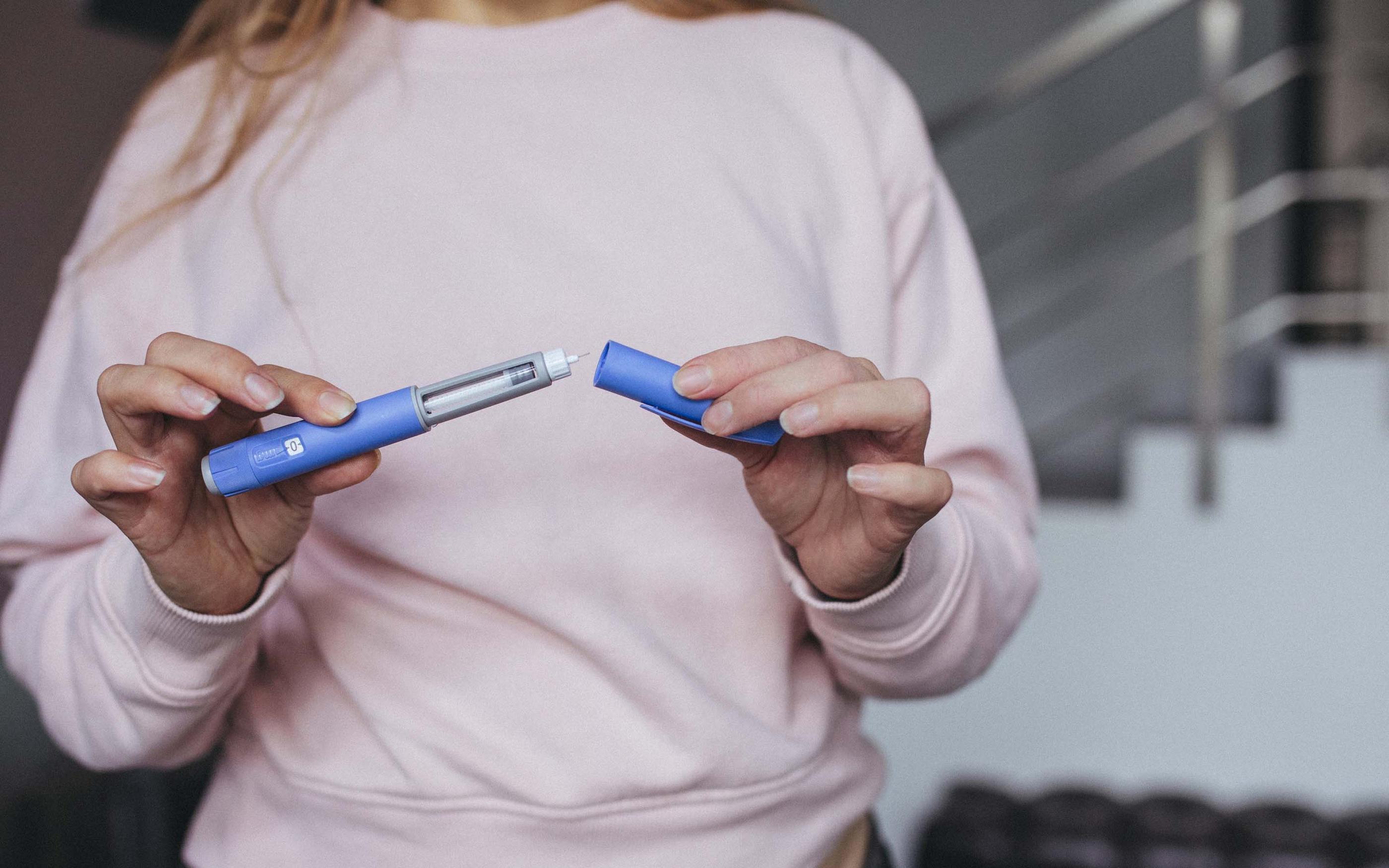
GLP-1 anti-obesity drugs are widely used among employees, and users report weight loss and improved outcomes including self-reported work productivity, according to our 2026 Global Benefits Attitudes Survey. The survey of 5,800 U.S. employees, conducted in June-July 2026, found that those who engaged in behavioral programs reported that they improved their diets, exercise and effectiveness at work.
Fourteen percent of full-time employees report currently using GLP-1 medications for weight loss, while an additional 34% say they would consider using them in the future if medically qualified. Together, these results suggest that nearly half of employees are either current users or potential future users, indicating continued upward pressure on employer-sponsored healthcare spending.
The benefits go beyond weight loss
The survey confirms that GLP-1 medications deliver benefits extending beyond weight reduction. Among users, 48% report large or very large improvements in confidence and self-image, 46% report higher energy levels and 42% report greater effectiveness at work. Employees who achieved larger reductions in body mass index (BMI) were more likely to report these positive outcomes, reinforcing the broader wellbeing and productivity implications of successful weight management.
Lifestyle support can improve outcomes
At the same time, the research highlights that GLP-1 effectiveness is higher when patients improve their diet and increase exercise. Employees who improved their eating habits reported improvements in healthy eating and exercise and approximately 20% greater BMI reduction compared to those who did not.
Affordability is the primary challenge
Employees reported that cost was the leading reason they stopped using GLP-1 medications, and roughly 40% of current users reported that medication expenses create strain on their household budget. Among former users, only about one-quarter (27%) stopped because they had reached their target weight, while 43% stopped due to cost and 28% stopped due to side effects. About 80% obtain GLP-1 prescriptions from in-person physicians, 18% through a telemedicine provider at local retail pharmacies and 20% online through telehealth providers. Physicians account for 80% of prescriptions, versus 18% through telehealth providers. About one-quarter of respondents using GLP-1s (24%) report using compounded GLP-1 medications. Half of employees (51%) report paying less than $100 per prescription covered by their employer’s healthcare or pharmacy plan.
The reality of treatment interruption and restart
The survey also revealed evidence of an "intermittent-use cycle." Nearly half of those who stopped using GLP-1 drugs for obesity reported gaining weight, and 62% ultimately restarted therapy. These findings suggest that shifting costs to employees or eliminating coverage may not permanently reduce demand but instead delay utilization while potentially undermining long-term health outcomes.
Opportunities for more sustainable benefit strategies
Most respondents (51%) reported that they already encounter some form of access requirements and 58% indicated they would be willing to comply with additional program requirements to maintain access. Forty-four percent said they were open to replacing traditional coverage with a fixed employer subsidy for purchasing medication through the direct-to-consumer channel.
Balancing cost, access and outcomes
As organizations evaluate their GLP-1 strategies, these findings suggest that the most effective approaches may balance affordability, access, clinical oversight and lifestyle support. Employers that successfully manage costs while helping employees sustain healthier behaviors may be best positioned to improve plan member satisfaction, improve clinical
Author

RESOURCES
The Pulse: Health and benefits updates