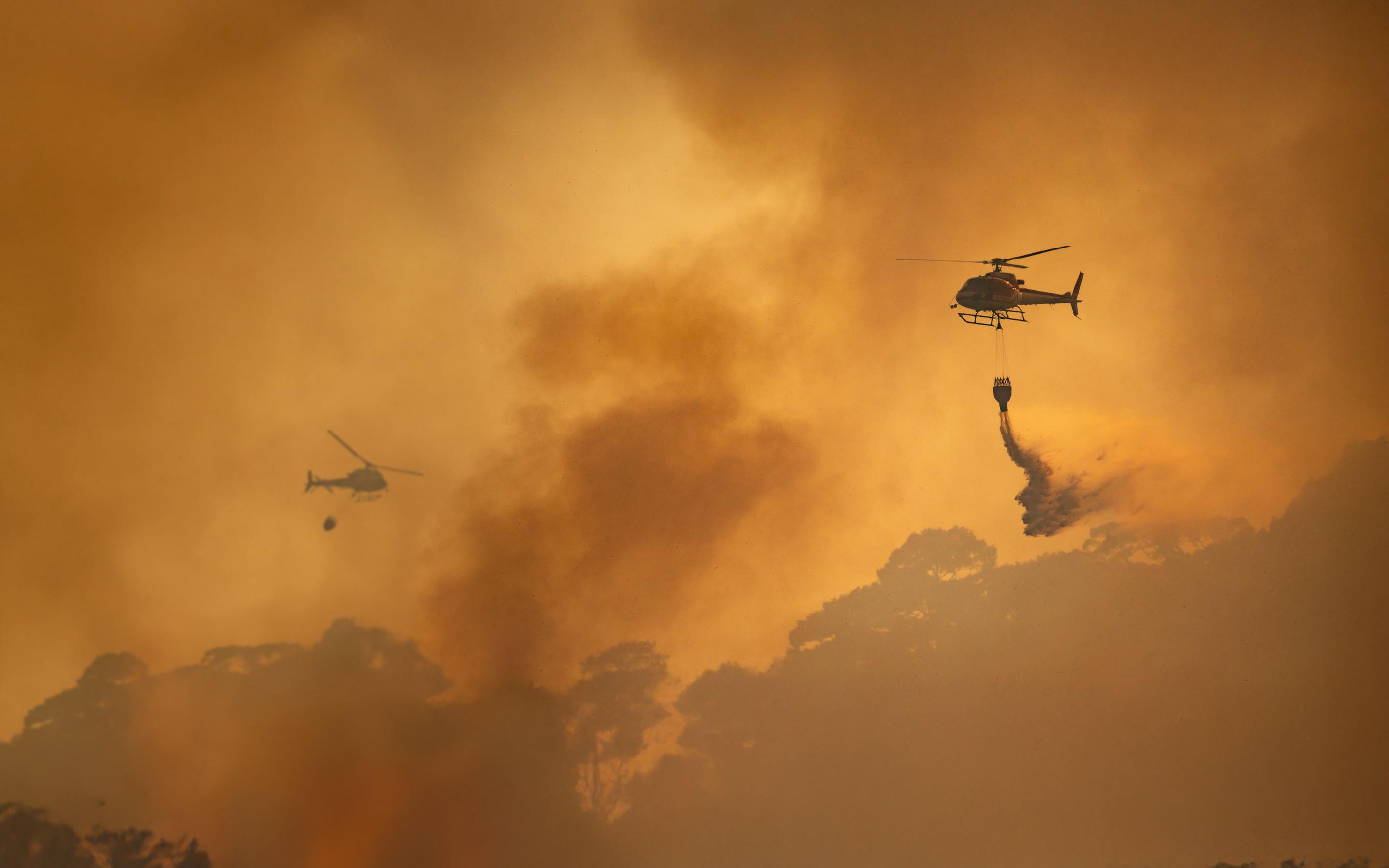
Wildfires are increasing in frequency and severity, according to most experts.[1] Headlines over the last couple of years include “‘Unprecedented’ wildfire burns area size of Paris in southern France”[2], “Wildfire numbers this year surge past 500, as Fire Chiefs urge public caution”[3], “National bushfire outlook puts NSW, Victoria and southern WA at heightened risk”[4], and “Biggest wildfire in Nebraska history continues to burn out of control”[5] offering some indication of the scale of the devastation and disruption caused by these fires.
From the perspective of the natural world, wildfires can be a positive force. They reshape landscapes by consuming dead and decaying matter, which returns nutrients to the soil, and they clear dense vegetation which can become a different habitat afterwards.
That said, the effects of heat and the combustion of organic materials within the fire can make soils water-repellent, exacerbating flood risk. Streams and rivers can also become polluted from rainwater runoff or damaged from soil erosion as vegetation that kept slopes in place is burned away.
These fires cause significant disruption to residents caught in a conflagration zone, not just in terms of damage or loss of property, there is also a long-term impact on health that comes from the catastrophic deterioration in air quality. They also contribute to global warming, releasing huge quantities of carbon dioxide and other pollutants into the atmosphere.
Origins and evolution
As we have become more adept at flying, aerial firefighting has played an increasing role in efforts to control wildfires. Aerial firefighting, also known as waterbombing, involves the use of aircraft to combat wildfires and has evolved dramatically since its inception in the early 20th century. Initially experimental, it has become a critical component of wildfire suppression strategies worldwide.
There is now a diverse fleet of fixed- and rotor-wing aircraft used for aerial firefighting
Aerial firefighting started in California in the 1930s, when pilots began to drop water-filled waxed paper bags through an aircraft’s cargo hatch. These early efforts weren’t always successful – if the bags scored a direct hit, they often sent hot embers flying, spreading the fire further. Despite this, the strategy was refined and by the 1950s, surplus military aircraft like the Grumman TBM Avenger and Douglas DC-6 were converted into waterbombers, which laid the groundwork for modern aerial firefighting. There is now a diverse fleet of fixed- and rotor-wing aircraft used for aerial firefighting, with specialized aircraft matched to the type of terrain in a region.
For example, Canada’s aerial firefighting fleet has been developed to take advantage of the country’s many natural lakes. The Canadair/Bombardier CL215 and CL415 were designed specifically for firefighting in this region. They have a large internal tank that can deliver thousands of liters of liquid in a single tank. Once their tanks are empty, they return to the lakes, fly low across the surface, scooping up water to refill their tanks before returning to the fire for another drop.
America’s wildfires tend to occur in more mountainous regions with little access to natural water sources. As a result, firefighters there deploy a combination of very large fixed-wing aircraft and/or helicopters in their firefighting efforts. These large aircraft are converted civil or military aircraft, adapted to hold up to 75,000 liters of liquid, ranging from the C-130 Hercules up to behemoths like the DC-10. At one point there was a Boeing 747 in service, although this has been decommissioned. The large aircraft can tackle the majority of blazes but are unable to access certain regions, and so helicopters, often carrying portable buckets but occasionally with internal tanks, are used.
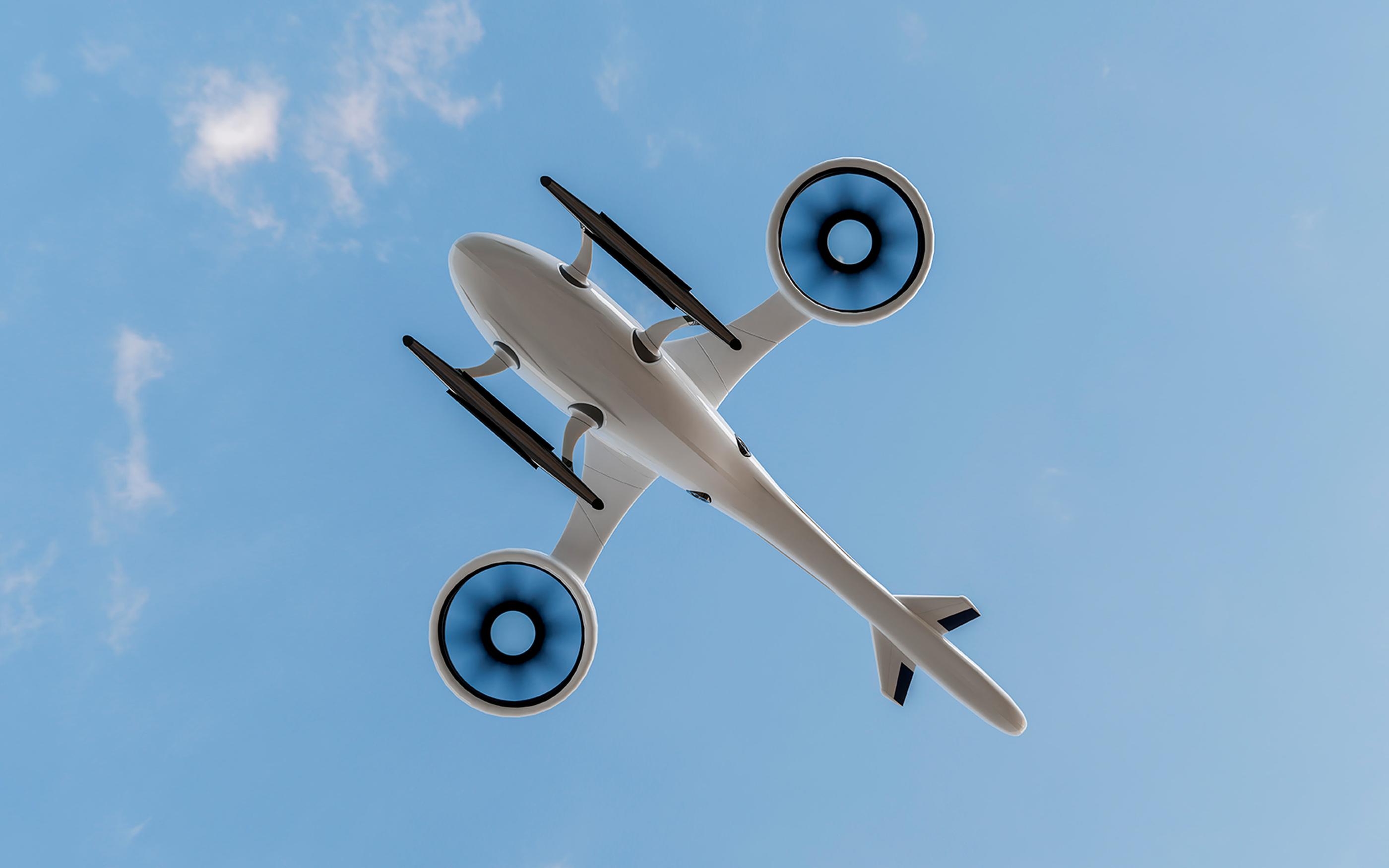
Autonomous firefighting aircraft are also being developed. These can be coordinated by artificial intelligence systems to enhance the delivery of firefighting materials to the right place with minimal risk.[6] Electric vertical take-off and landing (eVTOL) vehicles and drones are also being developed for urban firefighting and early detection.
Construction and operational challenges
Retrofitting aircraft for firefighting involves complex engineering. Tanks must be installed without compromising structural integrity or flight performance. Weight distribution, release mechanisms, and corrosion resistance (especially from chemical retardants) are key concerns.
Pilots face extreme challenges: flying low over rugged terrain, often in poor visibility and turbulent conditions caused by fire-generated updrafts. Coordination with ground crews and other aircraft is essential to reduce the risk of collisions or crashes into terrain. Advances in night vision goggles are also now allowing firefighting teams to tackle fires at night, taking advantage of the lower diurnal winds that reduce the rate of spread, while maintaining the same risk profiles as daylight operations.[7]
What’s in the drop?
While water is commonly used, aerial drops often include:
Fire retardants: Borate was used in the past but was found to be toxic to both soil and animals, so newer retardants are typically ammonium phosphate based.
Foams and gels: These increase water’s effectiveness by improving adhesion and cooling properties. Guar gum or its derivatives are often used to thicken the water and improve its effectiveness.
Colorants: Often red, to help pilots and ground crews see where drops have been made.
It is worth noting that these liquids are rarely dropped directly onto a fire because its effect is short lived. Instead, the drops are delivered tactically in front of or around the fire to contain the blaze, slow its spread, or create a firebreak, and to allow ground crews time to reach the fire and continue the efforts.
Both flight and ground operations tend to be coordinated with the use of small lead planes. Nicknamed a ‘bird dog’ in Canada or a ‘supervision aircraft’ in Australia, these aircraft are quickly deployed once a fire is confirmed and operate as spotters, determining the exact location and size of the fire. Once on site, they communicate with ground operations and aid the direction of land and air firefighting crews. Spotter aircraft are crucial for the large tanker aircraft as they help guide the waterbomber’s efforts, providing information on flight direction for approaching the blaze, drop heights, and exit plans.
Safety and aircraft losses
Aerial firefighting comes with significant risk. Aircraft loss events have occurred due to mechanical failure, human error, or environmental hazards. Notable incidents include:
2002A C-130A and a PB4Y-2 crashed in separate incidents in the U.S., prompting a re-evaluation of the use of aging aircraft.
2020A Lockheed EC-130Q Hercules crashed in New South Wales, Australia, killing all three crew members.
2023A Fire Boss aircraft crashed in Greece during a drop, highlighting the risks even with modern equipment.
These tragedies have led to stricter safety protocols, improved aircraft design, and better pilot training.
The insurance perspective
Global warming and climate change are blamed for creating drought conditions where the vegetation becomes very dry and susceptible to the outbreak of fire. Warmer, drier conditions are extending the wildfire season of fire-prone regions by weeks, and previously unaffected regions are finding themselves at risk.[8]
Such conditions highlight that firefighting aircraft will continue to be in demand, but insuring them presents challenges to insurers. The aircraft often operate at low speeds and altitudes, and they need to be able to make steep climbs through turbulent, smoke-obscured air. The pilots frequently maneuver their aircraft through equally precipitous descents and make tight turns in uncontrolled airspace, often with multiple aircraft types operating nearby at the same time.
Insurers are presented with elevated hull and liability exposure
As a result, insurers are presented with elevated hull and liability exposure compared to conventional commercial aircraft operations. Additionally, many firefighting aircraft are converted machines from legacy fleets which require specialist modifications and specific maintenance programs to manage airframe age and fatigue life. The pilots of these aircraft require highly specialized skills, including formation-flying and precision drops under extreme pressure.
Accident history shows human factors remain a leading loss driver, so insurers will focus on pilot hours and how recent their experience has been, in addition to requiring information about crew training and fatigue management. Details about how the firefighting operation is to be coordinated are also key in managing the associated risks. For example, if multiple service providers are coming together to deliver capability in a single area under the oversight of a single fire department, how will the various resources be merged into a single operation? What standard procedures will be deployed, and what deconfliction protocols have been put in place?
From insurers’ perspectives, aerial firefighting sits at the upper end of the aviation risk scale. Successful engagement with insurers requires a close alignment of all these factors to ensure operational safety is supported by adequate coverage from insurers.
Footnotes
- The Latest Data Confirms: Forest Fires Are Getting Worse, Return to article
- ‘Unprecedented’ wildfire burns area size of Paris in southern France, Return to article
- Wildfire numbers this year surge past 500, as Fire Chiefs urge public caution, Return to article
- National bushfire outlook puts NSW, Victoria and southern WA at heightened risk, Return to article
- Biggest wildfire in Nebraska history continues to burn out of control, Return to article
- Rain and Sikorsky Test Advanced Aerial Firefighting Technologies Using Autonomous Black Hawk® Helicopter, Return to article
- Firebombing at night – why not!, Return to article
- Yes, Climate Change is Raising the Risks—and Stakes—of Extreme Wildfires, Return to article
Disclaimer
WTW hopes you found the general information provided here informative and helpful. The information contained herein is not intended to constitute legal or other professional advice and should not be relied upon in lieu of consultation with your own legal advisors. In the event you would like more information regarding your insurance coverage, please do not hesitate to reach out to us. In North America, WTW offers insurance products through licensed entities, including Willis Towers Watson Northeast, Inc. (in the United States) and Willis Canada Inc. (in Canada).
Author
.jpg?imgeng=/w_2800)