Key takeaways
The biggest risk may not be the triggering event: Disruption becomes systemic when it encounters shared dependencies, hidden concentrations and interconnected systems.
The point of impact is often far from the point of origin: Failures can propagate through infrastructure, AI ecosystems, climate systems and supply chains before appearing as operational, financial or geopolitical problems.
Resilience depends on understanding relationships, not just risks. The organizations best positioned to manage disruption are those that can identify critical dependencies, visualize pathways of disruption and recognize where intervention is still possible.
Organizations have long understood the risks associated with individual events. What is proving more difficult is understanding the connections between them.
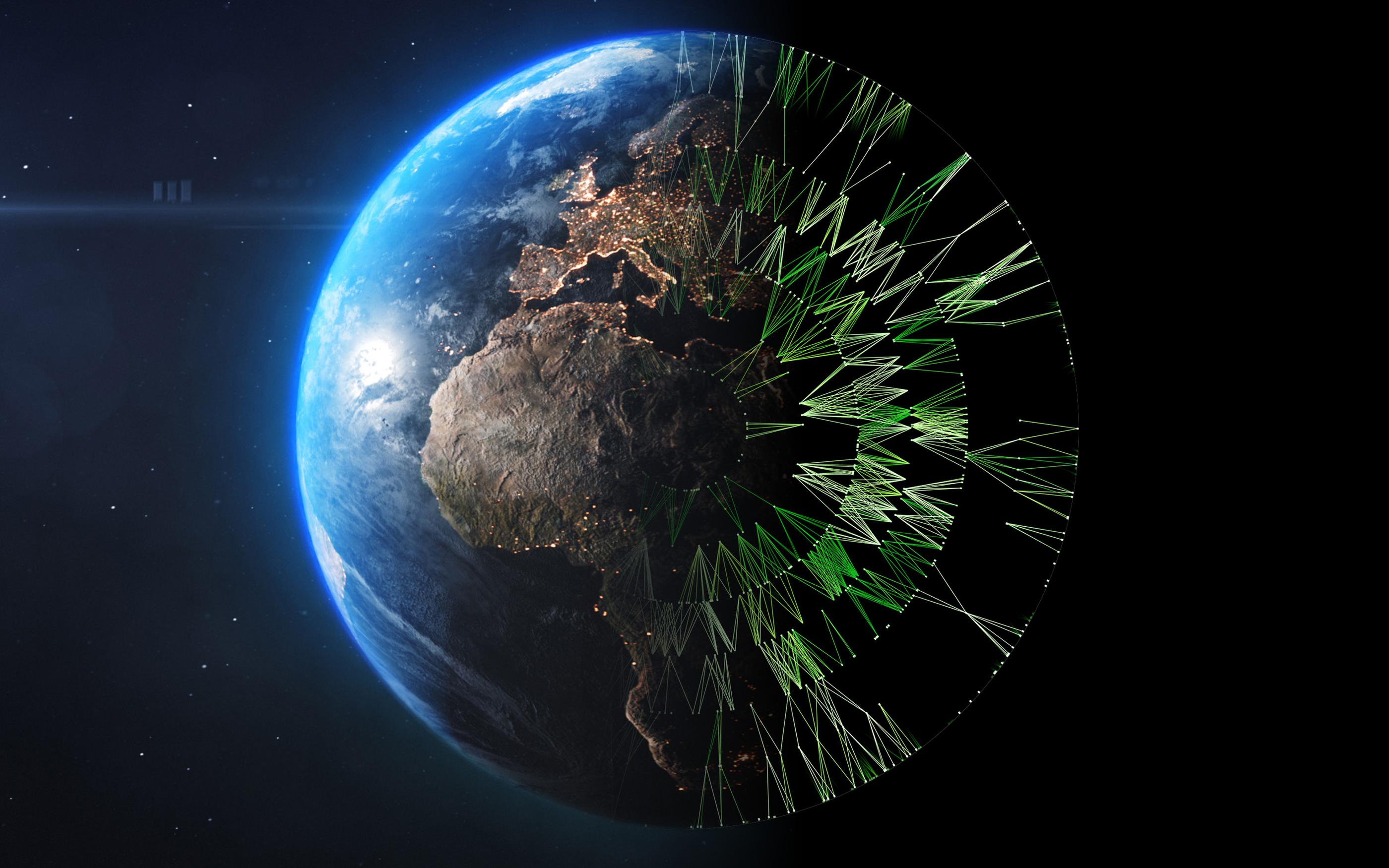
Increasingly, disruptions are not simply defined by their trigger, but by the pathways through which their consequences spread. Software failures can affect critical services across multiple sectors. Climate events can contribute to political instability. Infrastructure outages can create financial losses far beyond the location of the original disruption. As systems become more interconnected, understanding where disruption travels can be as important as understanding what caused it.
What matters is not only what happens, but what happens next
The Review follows four pathways through which disruption spreads:
01
Physical systems
Where failures move across interconnected infrastructure.
02
Digital systems
Where shared technologies can create hidden concentrations of risk.
03
Environmental systems
Where climate events can evolve into economic and geopolitical challenges.
04
Economic systems
Where dependencies within supply chains can amplify disruption far beyond the original event.
The Review also looks at how approaches such as network analysis, digital twins and advanced modeling can help organizations better understand these connections, identify critical dependencies and assess where disruption could spread.
It considers the limitations of modeling increasingly complex systems and what this means for risk management and resilience planning. Rather than attempting to predict every possible scenario, the focus is on understanding which connections matter most, how disruption might escalate and where intervention could help limit its impact.
Download the Risk & Resilience Review to explore how a better understanding of interconnected risk can help organizations prepare for disruption.