


In today’s complex and uncertain business environment, organizations face increasing pressure to establish robust executive compensation frameworks. One of the most critical components of this process is goal setting: determining the targets against which executive performance is measured and rewarded.
Yet, as compensation relationships evolve and advisors’ roles shift, the governance around who sets these goals — and how — has come under scrutiny. This article explores high-level principles of goal-setting governance, clarifies the roles of key stakeholders and highlights common strategies for ensuring long-term pay and performance alignment.
Why incentive goal-setting governance matters
Incentive goal setting in executive compensation is not just a procedural step. It’s a foundational element that shapes organizational direction and incentivizes achievement. When done well, it aligns leadership’s focus with strategic priorities, promotes collaboration and fosters accountability. However, when the process is mismanaged, organizations risk conflicts of interest, diluted targets and, ultimately, compromised performance.
Core principles of effective incentive goal setting
When properly conducted, the goal-setting process should include a multi-faceted analysis:
- Alignment with business plan/strategy: Goals should support the long-term vision of the organization and tie directly to its strategic plan
- Consideration of external market: Benchmarking against peers and market standards provides context and ensures goals are appropriately ambitious
- Review of historical results and probability analysis: Historical performance informs the achievability of targets and helps prevent setting goals that are either too easy or unattainable
Stakeholder roles in incentive goal setting
A healthy goal-setting process delineates clear responsibilities among management, external advisors and the compensation committee or board.
- Management: Owns the goal-setting process. Responsible for proposing goals based on organizational capabilities and strategic intent, explaining underlying assumptions and describing how goals connect to strategy and operational plans. Management knows the business best and, as such, drives the initial context for what is achievable yet ambitious.
- External advisors: Primary role is to guide the process through an independent and informed lens. External advisors serve as facilitators to both management and the committee/board, sharing market practices on metric selection, weightings and target setting, and serving as a sounding board and validator throughout the process.
- Committee/board: Ultimately, the committee retains oversight and approval authority. Its focus is on governance, reasonableness and alignment with the organization’s strategy and stakeholder interests.
Figure 1. Stakeholders’ roles in incentive goal setting
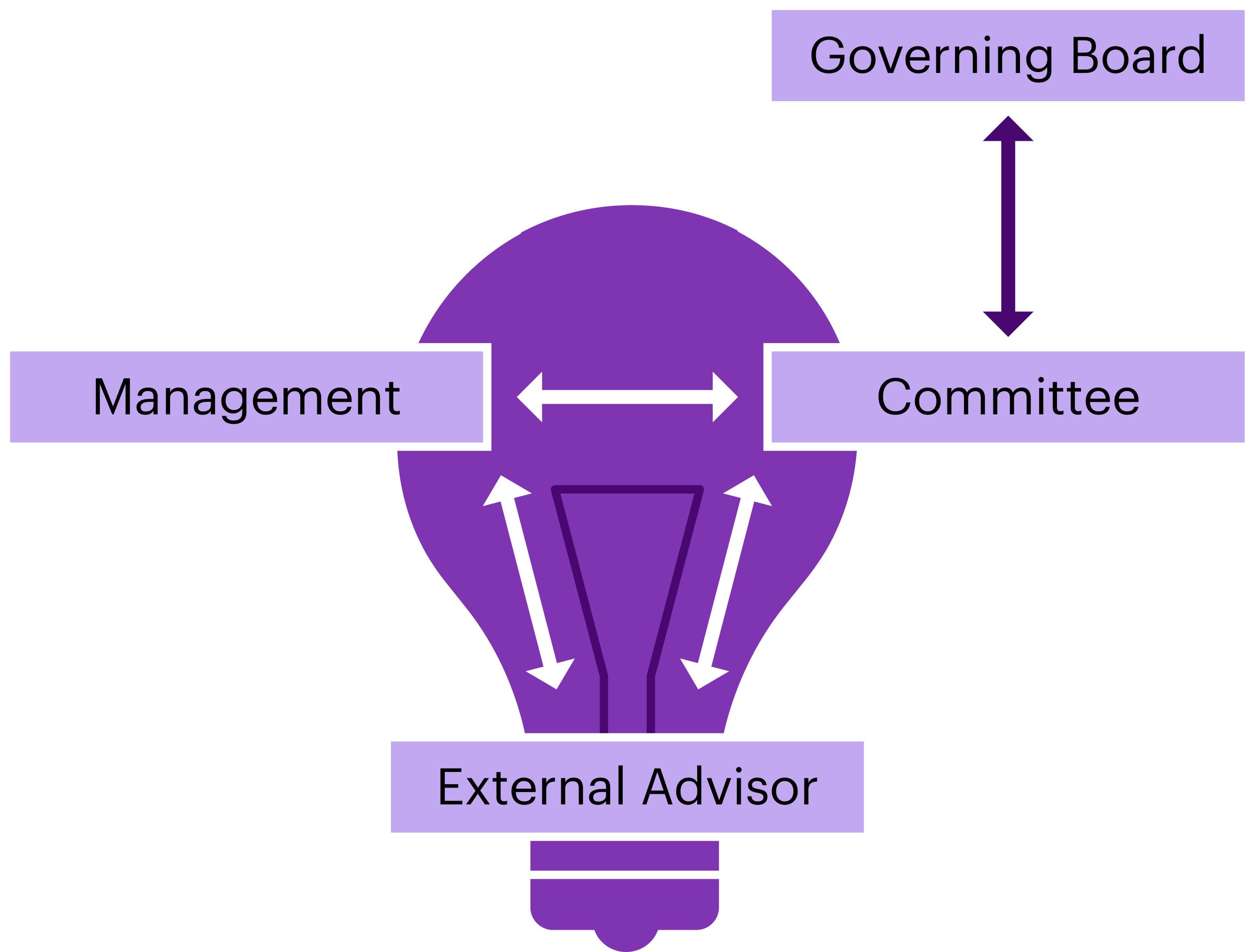
A healthy goal-setting process outlines responsibilities among key stakeholders.
Best practices in incentive plan goal setting
Continued evaluation of strategic alignment
While it may seem efficient to simply roll incentive goals forward with incremental improvements, it is best practice to regularly assess metric’s relevance and impact. If a metric is consistently achieved or no longer central to the business strategy, it should be considered for replacement with one that offers greater opportunity for advancement. The original metric can still be monitored outside the incentive plan to guard against regression. This approach ensures incentive plans remain closely tied to changing priorities.
Operational and transformation metric selection
Annual incentive metrics typically address operational performance, while long-term incentive metrics focus on transformational goals aligned with business strategy. Overlap between annual and long-term metrics should be limited, ensuring that long-term incentives drive strategic change rather than duplicating annual targets.
Thoughtful reliance on external advisors
While ultimate accountability for incentive goal setting lies with the organization’s leadership team, external advisors play an essential and constructive role in the process. Advisors’ expertise is leveraged to:
- Provide rigorous probability analysis
- Facilitate strategic alignment reviews
- Offer benchmarking against market peers
- Guide organizations in navigating uncertainty to make informed decisions
- Ensure incentive programs are both competitive and aligned with business objectives
By maintaining a clear division of responsibility — advisors contribute insight and guidance, while management and the committee/board set performance targets — organizations benefit from robust checks and balances, preserving accountability and integrity while leveraging external expertise
Structured discretion in uncertain times
The current environment, driven by economic volatility and regulatory changes, adds complexity and challenges the goal-setting process. But uncertainty isn’t an excuse to relax governance discipline — it’s a reason to double-down on it.
Committees can maintain flexibility through structured discretion. This means having clear governance frameworks that allow for flexibility where warranted, but within defined boundaries. Committees should be empowered to adjust goals and outcomes when justified, but only through transparent, documented processes that preserve accountability and ensure the incentive programs maintain credibility and rigor.
As organizations navigate evolving executive compensation landscapes, strong incentive goal-setting governance is more important than ever. By assigning distinct roles, adhering to core principles and maintaining independent oversight, organizations can ensure their performance targets drive meaningful results while safeguarding against conflicts and misaligned incentives. In the end, good governance is not just a safeguard. It is the foundation for sustainable success.
Authors