



A history of shared values
A strong client focus, an emphasis on teamwork, unwavering integrity, mutual respect and a constant striving for excellence are the values at the core of WTW’s rich history. Many of our clients have been with us from our earliest days.
Whether they first came to us for brokerage services or actuarial work, they were met with respect, a strong sense of advocacy and an emphasis on excellence. These values will continue to define our approach to business and our relationship with our clients, now and in the future.
The birth of insurance broking and the actuarial profession
1828
Henry Willis began his career as a merchant selling imported goods on commission in the U.K. at the Baltic Exchange in London.
1841
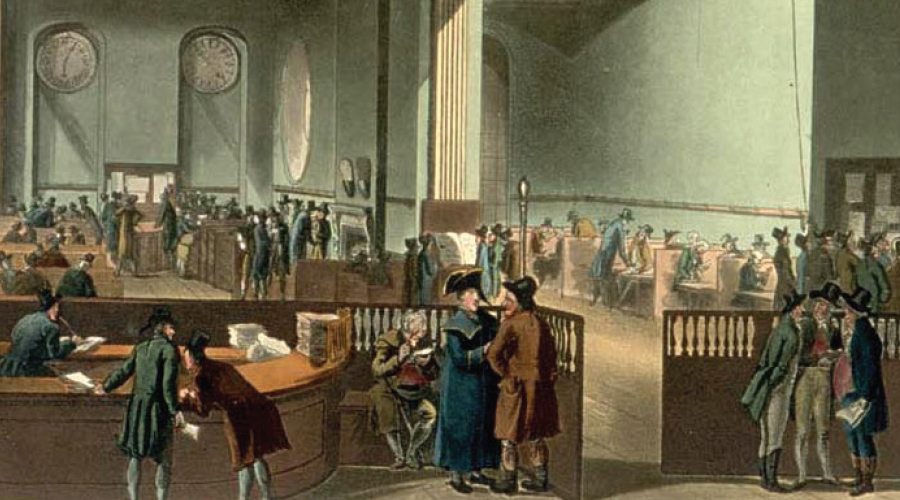
Willis applied for membership of Lloyd’s. As his enterprise grew, he became involved in the hull business, establishing himself in marine insurance and founding Henry Willis & Company.
Lloyd’s in the 1800s
Wall Street in the 1860s

1878
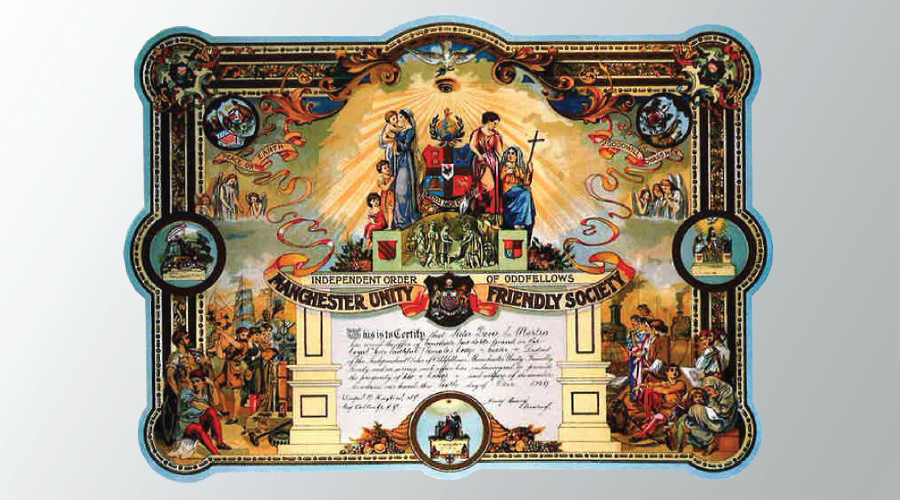
Reuben Watson formed R. Watson & Sons, the world’s oldest actuarial firm, when the Manchester Unity of Oddfellows appointed him actuary the same year. Manchester Unity remains a client today — as do many of our earliest actuarial and brokerage clients.
Manchester Unity
Arithmeter

1889
David Parks Fackler helped create the Actuarial Society of America. The company’s consulting actuaries have a long history of involvement in professional societies, serving on committees and boards, and helping shape the actuarial profession. Today, we remain one of the world’s largest employers of actuaries.
Actuarial Society of America

Establishing ourselves at the forefront of our industries
1896
Henry Willis & Co. developed a relationship with U.S.-based Johnson & Higgins, which provided Willis access to the U.S. market.
1898
Henry Willis & Co merged with Faber Brothers to form Willis, Faber & Co and developed a huge marine account, reputedly the largest broking portfolio in the world.
1910s
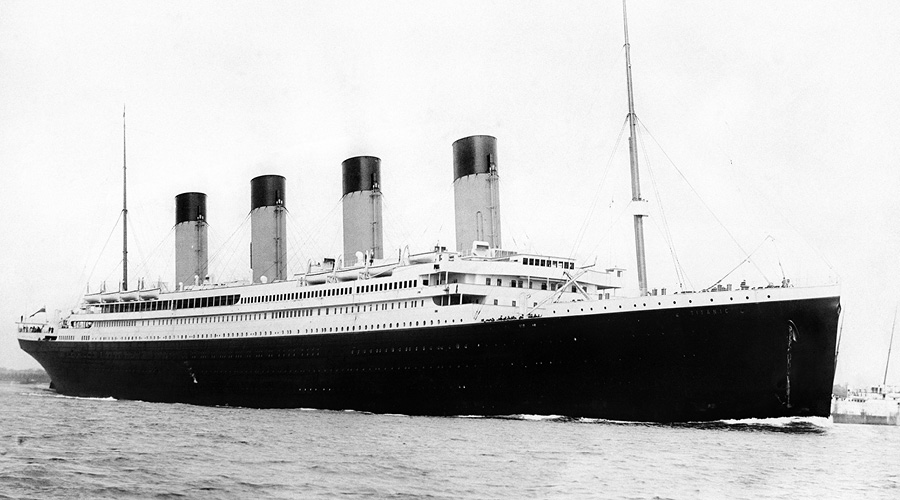
After the passage of the National Insurance act of 1911, R. Watson & Sons became the lead advisor to the U.K. government on national insurance programs.
The Titanic
1920s
Walter Forster, a founder of a predecessor company and known as the “father of pension planning,” sold one of the first major insured pension plans to Eastman Kodak Company.
1928
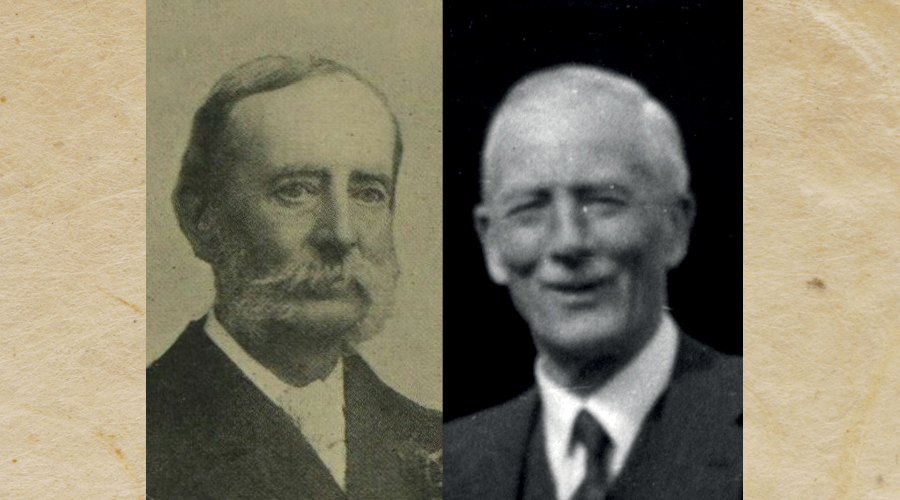
Willis Faber & Company merged with Dumas & Wylie Limited to form Willis, Faber & Dumas.
Willis, Faber & Dumas
1934
Towers, Perrin, Forster & Crosby (TPF&C) was founded. It initially operated a reinsurance and life division, eventually specializing in pensions, reinsurance brokerage and employee benefit plans.
Early Clients

Adapting to an increasingly connected world
1943
Birchard Wyatt formed the Wyatt Company, an actuarial consulting firm, in Washington, D.C.
1950
Fackler & Co. was acquired by the Wyatt Company.
Computers

1950s and beyond
Private pensions continued to grow in popularity, leading to a boom in actuarial business on both sides of the Atlantic, and solidifying our position among the largest actuarial consulting forces in Europe and North America.
1960s
TPF&C expanded its services to include health care, compensation and organizational consulting.
The Moon Buggy

1976
Willis, Faber & Dumas listed on the London Stock Exchange, signifying its status as the leading U.K. specialty broker.
New Headquarters

Expanding globally and adding capabilities
1970s and 1980s
Regulatory change and rising employee benefit costs in the U.S. spurred a further need for actuarial expertise.
1980s
Willis’ reinsurance business expanded and eclipsed marine broking for the first time.
1986
Towers, Perrin, Forster & Crosby acquired Atlanta-based Tillinghast, Nelson & Warren.
1987
Towers, Perrin, Forster & Crosby was renamed Towers Perrin.
1990
Willis, Faber & Dumas entered the U.S. as a retail broker through a merger with Corroon & Black, establishing it as the world’s fourth-largest insurance broker.
1995
R. Watson & Sons and The Wyatt Company forged an alliance, forming Watson Wyatt and consolidating their global resources.
1995
Willis acquired a 33% stake in French broker Gras Savoye.
1998
Willis Corroon was privatized by Kohlberg Kravis Roberts in a $1.4 billion deal.
1998
Willis operations were amalgamated under one name: Willis Group.
2000
Watson Wyatt was listed on the New York Stock Exchange.
Helping our clients succeed in a more uncertain world
2001
Willis Group was listed on the New York Stock Exchange and experienced strong growth.
2006
Willis Research Network was launched as the world's largest collaboration between academic institutions and the finance sector.
2008
Willis Group’s U.S. presence was doubled with a $2.1 billion Hilb Rogal & Hobbs acquisition.
2010
In a merger of equals, Towers Perrin and Watson Wyatt combined to form Towers Watson.
2012
Towers Watson acquired Extend Health and entered the private health care exchange market in the U.S.
2015
Willis Group exercised its right to acquire the remainder of Gras Savoye and agreed to purchase 85% of Miller, the leading London independent wholesale insurance broker.
2016
Willis Group and Towers Watson merged to become Willis Towers Watson.
Poised for a strong, independent future
2020
Willis Towers Watson acquired Unity Group, a regional insurance broker in Central America with operations in six countries.
2022
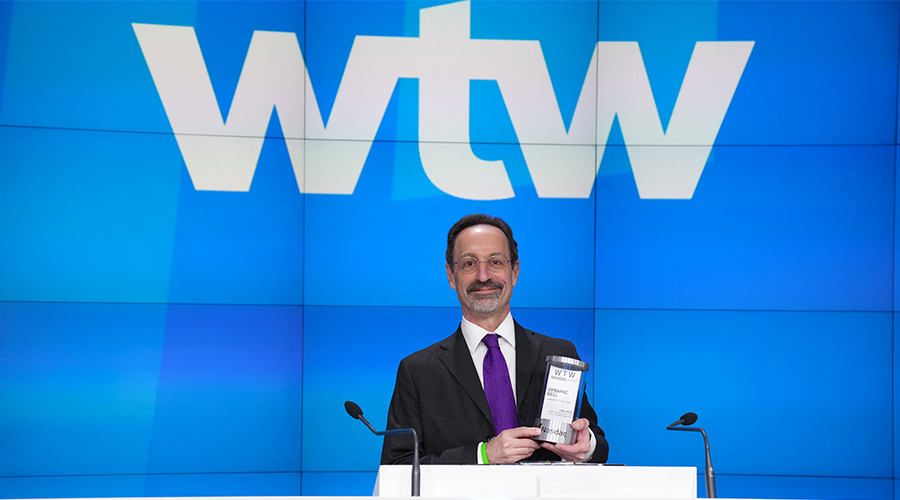
Willis Towers Watson rebranded as WTW and changed its stock ticker to WTW on the Nasdaq Exchange. Carl Hess became the new CEO, succeeding John Haley after 23 years as company CEO.
New WTW brand is launched
2025
WTW partnered with Bain Capital, one of the world’s leading private investment firms, to launch Willis Re, a joint venture in reinsurance broking market.
2026
WTW acquires four companies: Newfront, a San Francisco-based broker; FlowStone Partners, an alternative investment firm; Cushon, a cutting-edge UK fintech pensions and savings provider; and SMB Scala & Mansutti Broker SRL, a prominent insurance broker in Italy.