

Digital infrastructure touches almost every aspect of modern life, but most people rarely see what happens behind the screen. As demand for data, connectivity and computing power continues to grow, understanding the systems that enable our digital world has never been more important.
In this episode, to mark the UK’s National Data Centre Day, host Karl Sawyer speaks with a group of WTW early-career professionals about the lessons they wish they had known before entering the industry. Together, they discuss the role data centres play in supporting everyday digital activities, the interconnected challenges involved in keeping services running, and the diverse career opportunities available across one of the world's fastest-growing sectors.
ISABELLA DARBY: People entering the workplace will need to understand how digital infrastructure supports the technology that they use every day. So whether this is just looking on Safari, whether this is sending an email, but having an awareness of what's happening behind the screen helps explain why areas like data centres have become such a significant focus.
SPEAKER 2: Welcome to Digital Uptime by Willis, a WTW business. In each episode, we examine the evolving landscape of digital infrastructure and data centres, their interconnected risks and challenges, and the strategies that help businesses redefine risk and keep resilient in our digital-first economy.
KARL SAWYER: Welcome to our Digital Uptime conversation for National Data Centre Day. Today, I'm your host, Karl Sawyer, GB tech, media, and telecoms industry lead for Willis. National Data Centre Day takes place on the 12th of September. The date was chosen because it marks the anniversary of the UK government designating data centres as critical national infrastructure. That designation recognises the essential role they play in keeping businesses, public services, and society connected.
Data centres support much of what we do every day-- streaming a film, sending a message, playing an online game, making a payment, and most importantly now, using its artificial intelligence tools. And that all depends on the digital infrastructure operating behind the scenes. Yet most people rarely see or think about that infrastructure.
National Data Centre Day is an opportunity to make the invisible more visible, recognise the people and innovation behind the industry, and also, improve the understanding of why data centres matter. So therefore, the theme for 2026 is Back to School, intended to help children and young people understand the infrastructure behind their digital lives and introduce them, also, to a wide range of skills and careers supporting it.
I am several years away from being at school myself. However, one thing I have learned from working with the data centre industry is that education does not end when we leave the classroom. This industry is characterised by constant change and innovation. Artificial intelligence, increasing demand for computing capacity, pressure on power, resources, and emerging risks mean that everyone working within this sector has to remain curious and continue learning.
That idea sits at the heart of today's conversation. We're going behind the digital service we often take for granted and asking what we wish we had known about the infrastructure supporting them. So I'm joined by Isabella Darby and Eshaan Thapar who bring different perspectives from our Investment and Climate Teams.
So the Back to School theme is not only about explaining the technology. It's also about introducing young people to the people and careers and journeys behind it. So, Izzy, could I come to you first? Can you briefly introduce yourself and explain where you are on your early career journey and describe what you do at WTW in everyday language.
ISABELLA DARBY: Yeah, hi, Karl, and thanks for inviting me. It's great to be a part of this Digital Uptime conversation. So I joined the Willis M&A and Private Equity Team three years ago on the apprenticeship programme. Since then, I've completed my apprenticeship, obtained my Dip CII qualification, and now working towards the ACII Level 6 Qualification. My day-to-day job in simple terms is as part of the Private Equity team consists of supporting our financial sponsor clients across transactions, investments, and fund-level activities. So that's just a brief overview of what my role consists of.
KARL SAWYER: Thank you very much, Izzy. And Eshaan, if you could briefly introduce yourself and your role.
ESHAAN THAPAR: Yes, thank you, Karl. And yeah, I'm delighted to be a part of this. Hi, everyone. My name is Eshaan Thapar, and I just recently completed the Graduate Scheme at Willis, where I've attained the diploma in CII, and I'm currently pursuing the advanced qualification, much like Izzy. And I sit in the Climate Practice within Willis, where we look at physical risks, which are broken down into climate and natural catastrophe risks. And I went to university at Warwick, where I studied digital ventures and business management.
KARL SAWYER: Thank you very much, indeed, for that. So you've entered the conversation from different professional backgrounds. So obviously, before working within the insurance sector, you probably didn't come across data centres. I suspect they were not a thing in your areas of professional background. So Izzy, starting with you, what did you originally imagine a data centre was?
ISABELLA DARBY: Yeah, you're absolutely correct in before joining Willis, I didn't really know what a data centre is, if I'm honest. And what surprised me most is how much of our everyday lives depend on them, from both inside and outside of work now being in the insurance industry. So, for example, streaming a film to my online shopping as well as online banking. And the most significant one, as you mentioned in your introduction, AI, I didn't know that a data centre was behind all of these yet, just AI.
KARL SAWYER: And Eshaan, same question to you. What have you learnt about in your role about how we use data centres as well?
ESHAAN THAPAR: Yeah, I think my first impressions are similar to Izzy's where I associated data centres to be completely aligned with artificial intelligence. And as soon as I started progressing with my role, I've realised that it's actually a part of almost every sector imaginable. So it's quite fascinating to see the different applications of data centres and AI.
KARL SAWYER: OK, thanks. Obviously, in your role with modeling, probably one of the areas which use AI the most as well. So that dependence, as you say, it's probably largely invisible until you get under the realms of it. So we obviously see the film, the message, or the answer from an artificial intelligence tool, but we don't know the infrastructure behind it.
One aim going back to the Back to School campaign is to make the industry that sounds complicated easier for young people to understand. So let's imagine we're explaining it to someone at school who has never thought about what happens after they press a button on their device. So firstly, back to Izzy, imagine you're explaining it to an 11-year-old. Obviously, I've got an 11-year-old son. So I know how difficult it is to explain anything to these children. What happens behind the scenes when they stream a film, play an online game, send a message, or use artificial intelligence?
ISABELLA DARBY: Yeah, so in simple terms, the way I would explain it whenever streaming a film, like you said, sending a message to a friend, or using AI for your homework would be your device is asking for information and getting a response almost instantly. So your maths and English homework that you're asking AI, you're asking your Copilot, you should normally get a response in seconds where the data is much larger, maybe that would look like more minute responses.
But that information isn't actually stored on your phone or your laptop, which you may believe it is. It's stored and processed in data centres. So they store huge amounts of information and help deliver it whenever people need it. So, for example, for your math and English homework, whenever you need that answer to that algebra question, that's stored, and that's ready to deliver it for you. And I think most people don't really think about them, but they're working in the background every time we use the internet. And that's something significant to consider.
KARL SAWYER: Thanks. And Eshaan have you got anything to add to that?
ESHAAN THAPAR: Yeah, just to add to it, I would say that AI in very simple terms would help automate or support a task that one is working on. And in terms of the background, there's a wide range of network and interconnectedness that's involved, which helps synchronize all of the technology so they can help and share results in seconds as you mentioned.
KARL SAWYER: Yeah, so indeed, to the person using the device, that almost feels immediate. But a great deal has to operate successfully behind the scenes to have that. And obviously, Eshaan, you bring that physical environmental foundation supporting this digital activity, and that's obviously an area that you're into as well.
So they are often described as the backbone of the digital economy. Data is the new oil, et cetera. But what physical, environmental, operational, and financial foundations need to work together to keep that backbone operating reliably? So if we say, for example, on climate resilience, obviously, it needs water, power. It also needs equipment, people, and continued investment. So Eshaan, in terms of your role within climate, how are you seeing this as being considered by data centres and the wider economy?
ESHAAN THAPAR: Yeah, I think that since everything in this space is set virtually, we often overlook the physical infrastructure that holds everything together in terms of devices and physical assets and data centre, which is where insurers and consultants, much like myself, are increasingly worried because of the heavy demands and resources for building such data centres and assets.
So in my work and pertaining to an example like the heat wave that we've experienced in the UK, we are actually quite cautious of water stress as an example of a risk where you can have water shortages as a critical issue. And we try and identify these risks that might affect the value chain.
KARL SAWYER: That's really good and falls into Izzy's area, which is all about the massive inflow of capital into this particular area. So if you could look at that question from the investment perspective.
ISABELLA DARBY: Yeah, I mean, looking through an M&A and private equity lens, like you said, Karl, it's really important to understand the significant influence that the capital has. So data centres require huge amounts of investment to build, expand, and also, maintain. The digital service we rely on every day wouldn't be possible without both the infrastructure itself and the capital that helps fund it. So as data centres become more of a demand with the world that's ever changing, we require capital to help maintain this demand.
KARL SAWYER: Yeah, indeed. It's what I've seen in terms of data centres and their focus on environmental resource, power resource, and now, this influx of capital as well. So it brings two very important parts of the picture together. So let's connect that directly with your individual roles currently as well.
So you both work in different areas but you're looking from different directions. Izzy, you're working obviously, as you mentioned, the M&A, private equity, financing, ownership of data centres, whereas Eshaan's more climate considerations enter decisions about how data centres are built, how they operate, and indeed, the long-term risks.
So some of that matches up, obviously, what you've said, Eshaan, in terms of the heat waves. That's an operational cost for the data centre. It could obviously affect the investment life cycle as well. Izzy, going to your role, how are you seeing that in connection with your clients? And is it a major area of interest? What's of interest from your clients at the moment in this particular area?
ISABELLA DARBY: Yeah, so, Karl, like you said, my role sits on the investment side of the industry. And data centres have become a major focus for investors as demand for digital services continues to grow. So if we go back, and whether that's watching a film or shopping online, all of that somewhere-- all of that needs somewhere to be processed and stored. And like you said, data centres really are that backbone.
So as digital demand grows, they're becoming an increasingly attractive area for investment. It's, therefore, important to highlight the risks and opportunities associated with digital infrastructure investments to the investors and making sure they are aware of the whole picture that data centres propose.
KARL SAWYER: Thanks, Izzy. And what I'm finding as well is each investor has a different investment life cycle. So it's very much some of them will go in for a short-term cycle. Some of them will go in for a long-term cycle. Some will be investing in real estate. Others will be investing in the actual software and the servers and even the chips within the server. So there's a variety of different stakeholders in case.
So Eshaan, in terms of climate, obviously you've mentioned some of the recent issues around heatwaves, which we know deeply affect data centres in terms of the heat that's already going on there as well. And you mentioned water stress. Is there anything else you can add in terms of the work you've seen in this area?
ESHAAN THAPAR: Yes, so I think both in operationally, we can also look at it from the construction perspective, where the role that our team does in the climate practice, where we provide consultancy services, could actually be very crucial in assessing the viability of creating such data centre assets. And the insights that we can provide from the climate point of view and the natural catastrophes could help organisations make those decisions to enter or even expand into the space.
KARL SAWYER: Thanks, yeah. And I think that links in-- again, it shows the interconnected nature of this in terms of even if you're coming at it from two different directions, investment and climate, fundamentally, climate fits in with the investment cycle in terms of operational expenses, and as you mentioned, the natural catastrophe coverages that need to be assessed or the risks that need to be assessed, because again, from an investment life cycle, you've got to go where the demand is as well. And that is often in urban areas. It's often in areas where natural catastrophes is a particular issue as well.
So it's where the operational becomes very much linked with the investment as well. So in terms of what our learnings are and, say, those knock on consequences, firstly, to Eshaan, what have you learned about the way one issue can create consequences across a data centre? So, for example, if you focus on the climate conditions, how do you see these conditions affecting an asset or perhaps a delay in obtaining power or influencing operations?
ESHAAN THAPAR: Yeah, absolutely. So I feel like we're all aware that there are several natural catastrophes and climate risks involved in different areas of the world, depending on the geography. And this can actually have a linked effect into other decisions. So if I use an example of a pension fund who invests into various data centre organisations, and if you talk about across the value chain, so from manufacturing to the final end product, they would be quite interested in the fund's performance, which is directly linked to any physical risks that can affect their data centre facilities.
And obviously, being a pension fund manager, your interests are aligned with ensuring that your fund performs strongly. And also, you'd worry about reputational risks if your data centre facilities have undergone any large catastrophes.
KARL SAWYER: So just broaden this out, Izzy, to the lens that you look at in terms of private equity and emerging acquisitions. How do they look at that consequence whilst they're looking at data centre, and obviously, the way that digital infrastructure may create an interlink between their other businesses as well? How are they looking at that?
ISABELLA DARBY: Yeah, I think one thing that people don't always realise is how connected everything is. So if we do look at it through that Mergers and Acquisitions lens, and let's take a data centre project, for example. So if there's a delay in getting enough power to the site, the data centre then can't become as operational as planned.
That means customers may have to wait longer. Revenue is pushed back. And ultimately, investment returns can be slightly lower or delayed as well. So what starts as a power issue doesn't just affect the construction. It can have a knock-on effect across the whole business, so from operations and customer relationships to that investment return of the financial performance.
KARL SAWYER: Yeah, as you say, I think these connections are becoming more important as demand continues to grow, which actively creates more investment from Private Equity, more actions within the Mergers and Acquisitions area as well. So the designation of data centres as critical national infrastructure reflects how important they've become to the UK economy, but also, the technology and demands placed upon it, which are continuing to develop as well.
As we say, the digital world is changing rapidly, especially due to artificial intelligence, cloud services. And more and more corporations are engaging with cloud services now. And obviously, digital platforms are developing quickly, say streaming, banking. It's increasing our huge dependence, I would say, on digital infrastructure.
So a question for Izzy, what do you think people entering the workplace need to now understand about the relationship between these technologies, the demand for data centres, and also, the environmental and physical resources required to support that growth?
IZZY DARBY: Yeah, like you said, Karl, AI is the biggest topic at the moment. So as more people and business use AI and digital platforms, the demand for data centres can continue to increase. I think people entering the workplace will need to understand how digital infrastructure supports the technology that they use every day. So whether this is just looking on Safari, whether this is sending an email, but having an awareness of what's happening behind the screen helps explain why areas like data centres have become such a significant focus for investors and businesses.
KARL SAWYER: And Eshaan, going to that but bringing more of the factual nature of your work in terms of climate consultancy, why do you think growth in digital infrastructure needs to be considered alongside climate?
ESHAAN THAPAR: To your point, I agree with Izzy when she mentions that being technologically apt is quite important to understand how technology works from the background and how devices are interconnected. And to my point earlier about how assets, even though everything seems virtual, we've got physical assets, and these can be affected by climate risks and natural catastrophes. So being increasingly aware of this, especially in terms of factual information and looking at verified resources, is quite important.
KARL SAWYER: I would say the reliance on factual information is key, especially as there is a backlash around data centres. And some of that is based on clear concern around power. Some of that is based on the use of facts in different ways, I would say. So obviously, yeah, the work that you do has to rely on fact, has to rely on modeling, and it has to rely on forward-looking presumptions as well, which is, obviously, what, again, what the investors are interested in as well.
And I think it just shows whether the subject is artificial intelligence, power availability, climate resilience, investment, or emerging risk, there's always something new to understand. And it is an industry that's experienced constant change and innovation and innovation normally for the better to try to cover some of the emerging risks.
So staying curious is not simply helpful. It's, indeed, essential for this particular area. So obviously, neither of you began with specialist knowledge of data centres, and neither did I. But you've obviously been to school a lot more recently. Which skills have helped you build a reliable understanding of the industry? And what would you say to a young person who assumes that the only route into digital infrastructure is through, perhaps, engineering or technology? And Eshaan, that question to you firstly.
ESHAAN THAPAR: Yeah, so if I look at myself, for example, where my role is data heavy and involves processing a lot of information and crunching numbers, et cetera, I feel like the number one thing I look for is just trying to make sense out of it and try to make sure that I'm on board with everything that I've read. So that's the first advice that I would give to anyone.
And then, something that really helped me grow and develop in this role is to have that curiosity to do my own research, and again, take it to the next level of understanding where I'm even able to explain certain subject matter around digital infrastructure or AI or cloud computing to somebody in a conversation.
And ironically, I would recommend using generative AI chats to help you use this. But it's also equally important to verify sources because that's one of the limitations that we've seen with generative AI. But something that I've used is I go in Copilot and try and stay up to date with something about construction of data centres in Spain, for example. And it comes up with relevant research around it. And again, working on facts and not assumptions is key.
KARL SAWYER: Yeah, indeed. And Izzy, obviously, you work with a variety of different industries, a variety of different target companies as well. So I presume you've got a natural curiosity of different companies, different operating models. And how has that been developed, especially around data centres and digital infrastructure risks?
IZZY DARBY: Yeah, completely. And curiosity has probably been the most important skill for me. Like you said, the target companies of these mergers and acquisitions, they say they're data centres. But for all I know, without that research, I'm sometimes not aware, and if I'm completely honest, if they are data centres or not.
But like Eshaan said, it's ironic how I would ask Copilot to ask about data centres when it essentially is one. But by it asking questions and learning from people as well, I've gained a much better understanding of the sector. I think it's important to understand that there are opportunities in this industry for people from many different backgrounds, and it's not just engineering or technology, which I think is sometimes overlooked and quite stereotypical.
KARL SAWYER: Yeah, I think that's definitely something coming from the industry as well itself. Obviously, there's areas where construction don't have enough people. There's long-term areas where electricians, they don't have enough electricians. But again, at the core of these businesses, there's lots of other supporting roles around both the data centres themselves and the wider industry.
So yes, I think National Data Centre Day, again, recognises that the infrastructure that is now considered critical to the country, while I think the Back to School theme needs to address some of these longer-term risks, I would say, for the industry in terms of getting new blood in and getting new talent in as well to, firstly, help understand it and then participate within it as well.
So we'll go back in time now. So if you could go back and speak to your 11-year-old self, what would you tell them about the hidden world behind the digital services they use, perhaps the type of problems the future workplace will need people to solve as, again, you're in your early careers, but you're in essentially the first generation of AI-augmented within your careers as well? What type of future workplace problems people might need to solve, and again, the career opportunities that exist perhaps in your roles or across the digital infrastructure? So Izzy, if you could go back in time firstly?
IZZY DARBY: Yeah, I mean a message to my younger self would be that there are many more career opportunities in the world than I think you could possibly ever imagine. And also, that the most exciting careers aren't always the most obvious ones. I'd definitely say to my 11-year-old self that it's important to stay open minded to industries and professions that you know absolutely nothing about. And that every time you use the internet, there's an entire world of people, technology, and infrastructure working behind the scenes.
KARL SAWYER: And Eshaan, if we can go in the time machine for you, please?
ESHAAN THAPAR: Yeah, this is a great question, actually. And what I would think is when I was 11 years old, I was very dismissive of reading the news or keeping up with technology because I thought I was bigger than that. But just having that small level of interest could actually go a long way to keep up with any new technology as we grow up. Obviously, the rate of change is so rapid now that there's everything new every other day. And also, just being keen to solve problems, even if the scale is me completing my maths homework, I feel like having the ability to solve problems will go a long way.
KARL SAWYER: Thank you very much indeed. My son is now entering the first day of his high school in a world full of iPads. AI hasn't quite reached him yet. But funnily enough, the messages that you talk about is curiosity. And I think that's one where it is, indeed, the type of messages that I'm trying to tell him is to be curious about things. Keep an open mind. Don't rule anything out. And also, question as well as, I think, as, Eshaan, you mentioned as well, is you can't believe everything. You need data, and you need to verify independently as well to come up with your own opinions.
So just to summarize what we've heard today, I think, is that data centres are not simply very expensive sheds filled with servers. They depend a lot on the people, investment, power, climate resilience. We've gone into research, communication, and many other disciplines working together.
So again, the UK government's decisions to designate as critical national infrastructure demonstrates really their importance to business, public services, and everyday life. And National Data Centre Day gives us an opportunity in the UK to recognise that importance and make the infrastructure behind our digital lives much more visible.
The Back to School theme is particularly relevant because children and young people already depend highly on digital infrastructure every day. Even if they do not recognize it by that name, they will be using paying systems to pay for their canteen food, booking school clubs, using Netflix (and other streaming services are available) and the way they engage in and between themselves as social groups as well. Helping them to understand what happens behind every click can reveal an entire industry and a much broader range of career opportunities than they may have firstly imagined.
I would say, you don't need to begin with all the technical answers, and you don't need to be an engineer or a technology specialist to contribute. Overlying these themes that we've spoken about, curiosity, communication, research, problem solving, and indeed, a willingness to learn can all provide a route into this particular industry. Thank you very much for joining us, Izzy.
IZZY DARBY: Yeah, thanks, Karl. It's been great to be a part of this Digital Uptime conversation.
KARL SAWYER: And thank you, again, Eshaan.
Yep, thanks, Karl. This has been very exciting.
KARL SAWYER: So again, thanks to them both for sharing their perspectives and helping us look behind the technology supporting our everyday lives. And hopefully, you've enjoyed another episode of Digital Uptime.
SPEAKER 2: Thank you for joining this podcast from Willis, a WTW company, featuring the latest thinking and perspectives on people, capital, climate, and risk in the construction industry. For more information, visit wtwco.com. WTW offers insurance-related services through its appropriately licensed and authorized companies in each country in which WTW operates. For further authorization and regulatory details about our WTW legal entities operating in your country, please refer to our WTW website. It is a regulatory requirement for us to consider our local licensing requirements.
The information given in this podcast is believed to be accurate at the date of publication. This information may have subsequently changed or have been superseded and should not be relied upon to be accurate or suitable after this date. This podcast offers a general overview of its subject matter. It does not necessarily address every aspect of its subject or every product available in the market. And we disclaimer all liability to the fullest extent permitted by law.
It is not intended to be and should not be used to replace specific advice relating to individual situations. And we do not offer and this should not be seen as legal, accounting, or tax advice. If you intend to take any action or make any decision on the basis of the content of this podcast, you should first seek specific advice from an appropriate professional.
Some of the information in this podcast may be compiled from third-party sources we consider to be reliable. However, we do not guarantee and are not responsible for the accuracy of such. The views expressed are not necessarily those of WTW. Copyright WTW.
Disclaimer
WTW hopes you found the general information provided here informative and helpful. The information contained herein is not intended to constitute legal or other professional advice and should not be relied upon in lieu of consultation with your own legal advisors. In the event you would like more information regarding your insurance coverage, please do not hesitate to reach out to us. In North America, WTW offers insurance products through licensed entities, including Willis Towers Watson Northeast, Inc. (in the United States) and Willis Canada Inc. (in Canada).
Podcast host
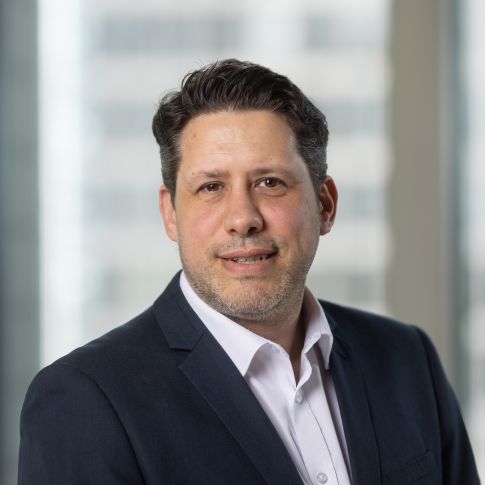
Karl Sawyer
Digital Infrastructure Lead, Europe and GB Industry Lead – Technology, Media and Telecommunications Willis, a WTW business
Karl leads Willis’s European digital infrastructure proposition and supports its wider Technology, Media and Telecommunications industry strategy in Great Britain. He helps clients understand, quantify and manage complex technology, operational and contractual risks, translating them into practical risk management, resilience and insurance strategies that support business growth and changing operating models.
Karl joined Willis in 2016, having previously spent ten years as a professional risk and insurance buyer for a FTSE 100 global media production and broadcasting organization. During this time, he managed its worldwide multi-line insurance programme, supported the development of business resilience across its international operations and was responsible for its media liability programme and claims managed through the company’s captive insurance arrangements.
Prior to this, Karl held roles in insurance broking, loss adjusting, claims management and underwriting. This experience gives him a broad understanding of risk from the perspectives of clients, insurers, brokers and the wider insurance market. Over a career spanning more than 25 years, he has worked across personal and commercial insurance, corporate insurance buying, business continuity and strategic risk advisory.
Karl is a certificant of the Institute of Risk Management and achieved the Business Continuity Certificate with Merit in 2013. He has experience in the digital infrastructure ecosystem, including data centre operators, telecommunications businesses, cloud providers, tower companies, network operators and technology-enabled platforms. He also has a long-standing interest in artificial intelligence and its implications for technology, digital infrastructure and the insurance industry.
Karl Sawyer
Digital Infrastructure Lead, Europe and GB Industry Lead – Technology, Media and Telecommunications Willis, a WTW business
Karl leads Willis’s European digital infrastructure proposition and supports its wider Technology, Media and Telecommunications industry strategy in Great Britain. He helps clients understand, quantify and manage complex technology, operational and contractual risks, translating them into practical risk management, resilience and insurance strategies that support business growth and changing operating models.
Karl joined Willis in 2016, having previously spent ten years as a professional risk and insurance buyer for a FTSE 100 global media production and broadcasting organization. During this time, he managed its worldwide multi-line insurance programme, supported the development of business resilience across its international operations and was responsible for its media liability programme and claims managed through the company’s captive insurance arrangements.
Prior to this, Karl held roles in insurance broking, loss adjusting, claims management and underwriting. This experience gives him a broad understanding of risk from the perspectives of clients, insurers, brokers and the wider insurance market. Over a career spanning more than 25 years, he has worked across personal and commercial insurance, corporate insurance buying, business continuity and strategic risk advisory.
Karl is a certificant of the Institute of Risk Management and achieved the Business Continuity Certificate with Merit in 2013. He has experience in the digital infrastructure ecosystem, including data centre operators, telecommunications businesses, cloud providers, tower companies, network operators and technology-enabled platforms. He also has a long-standing interest in artificial intelligence and its implications for technology, digital infrastructure and the insurance industry.
Podcast guests
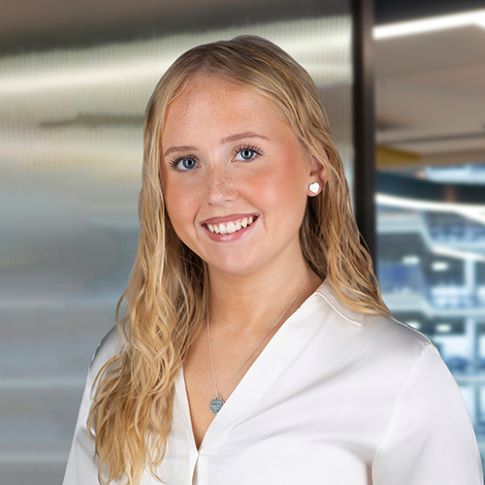
Isabella Darby
Senior Analyst – Mergers & Acquisitions and Private Equity, FINEX Global Willis, a WTW business
Isabella joined WTW’s Private Equity team in September 2023 as part of the apprenticeship programme, which she successfully completed in 2026, earning her DIP CII qualification. Isabella is now working towards achieving her ACII qualification.
Isabella provides comprehensive support to our clients across transaction-level activities, including Warranty & Indemnity and Insurance Due Diligence, and extends this support to investment and fund-level matters through effective stewardship and oversight.
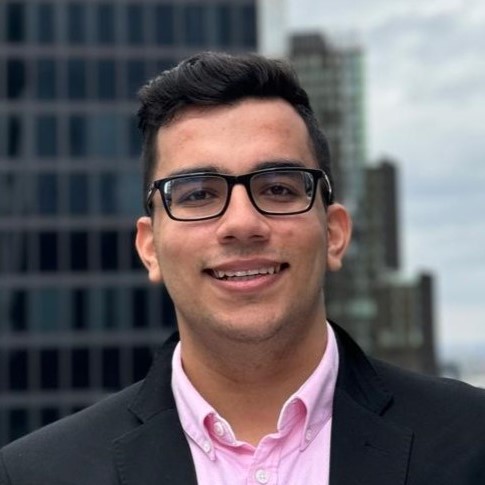
Eshaan Thapar
Senior Analyst – Climate Practice, Risk & Analytics Willis, a WTW business
Eshaan focuses on supporting organisations to make informed decisions by identifying, quantifying, and managing risks in a portfolio. As part of WTW’s Climate Practice, his work specializes across climate resilience, natural catastrophe risk management and climate-related disclosure requirements. He joined WTW in 2024 as part of the graduate development programme, having previously completed the corporate risk and broking summer internship.
Prior to joining WTW, Eshaan gained experience through academic and professional placements that developed his passion for climate risk, catastrophe modelling, and insurance. He began his career while studying Business and Digital Innovation at the University of Warwick, where he developed a strong interest in the intersection of risk, sustainability, and business decision-making.
Eshaan is currently working towards the Chartered Insurance Institute's Advanced Diploma in Insurance (ACII) qualification as part of the Level 6 Senior Insurance Professional apprenticeship programme.
Isabella Darby
Senior Analyst – Mergers & Acquisitions and Private Equity, FINEX Global Willis, a WTW business
Isabella joined WTW’s Private Equity team in September 2023 as part of the apprenticeship programme, which she successfully completed in 2026, earning her DIP CII qualification. Isabella is now working towards achieving her ACII qualification.
Isabella provides comprehensive support to our clients across transaction-level activities, including Warranty & Indemnity and Insurance Due Diligence, and extends this support to investment and fund-level matters through effective stewardship and oversight.
Eshaan Thapar
Senior Analyst – Climate Practice, Risk & Analytics Willis, a WTW business
Eshaan focuses on supporting organisations to make informed decisions by identifying, quantifying, and managing risks in a portfolio. As part of WTW’s Climate Practice, his work specializes across climate resilience, natural catastrophe risk management and climate-related disclosure requirements. He joined WTW in 2024 as part of the graduate development programme, having previously completed the corporate risk and broking summer internship.
Prior to joining WTW, Eshaan gained experience through academic and professional placements that developed his passion for climate risk, catastrophe modelling, and insurance. He began his career while studying Business and Digital Innovation at the University of Warwick, where he developed a strong interest in the intersection of risk, sustainability, and business decision-making.
Eshaan is currently working towards the Chartered Insurance Institute's Advanced Diploma in Insurance (ACII) qualification as part of the Level 6 Senior Insurance Professional apprenticeship programme.