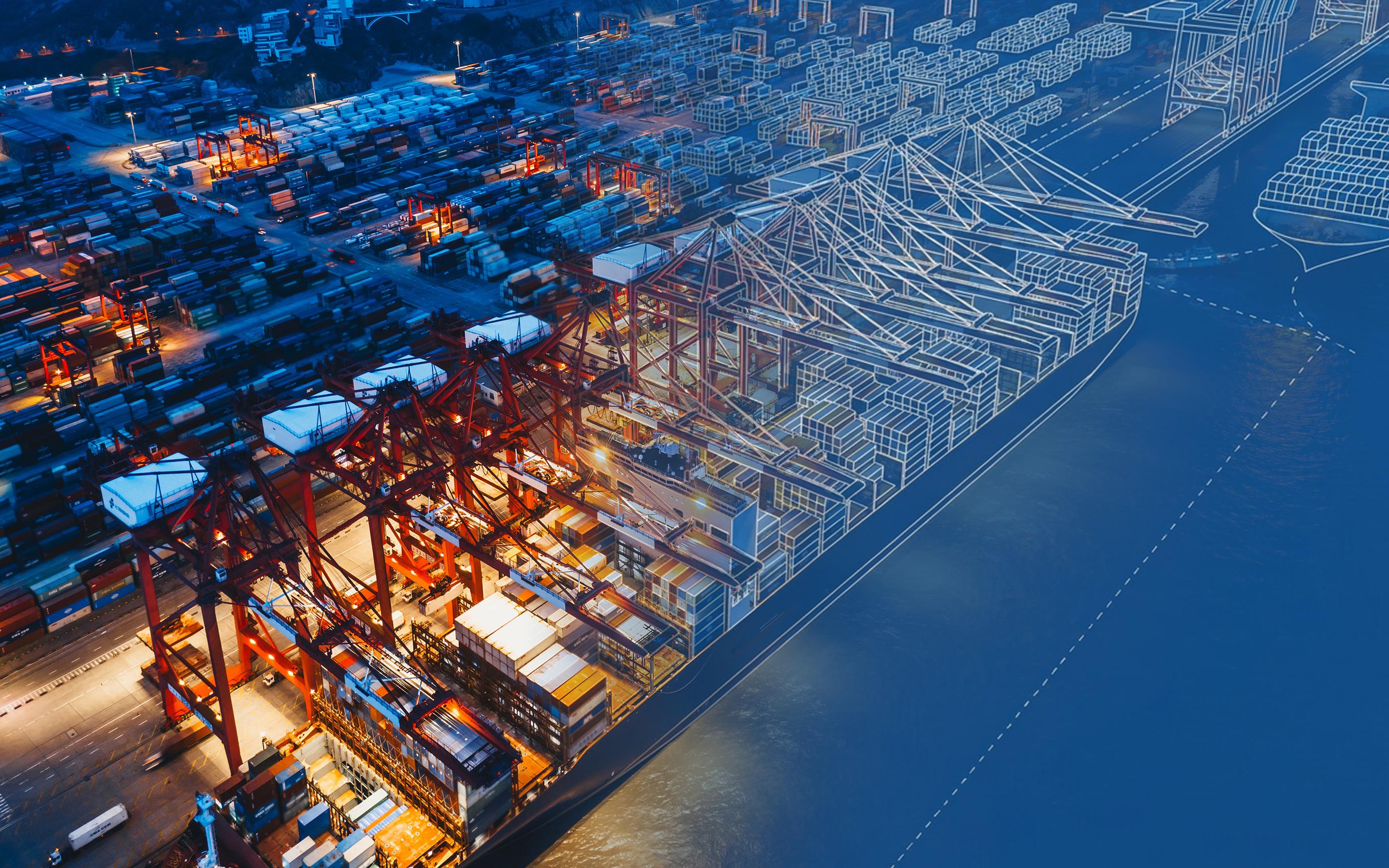
In the space of a few months in 2024, global supply chains were tested in very different ways. Attacks on shipping diverted vessels away from the Red Sea. Drought restricted traffic through the Panama Canal. The collapse of Baltimore's Francis Scott Key Bridge closed access to one of America's most important ports. Then in July, a faulty software update disrupted airlines, hospitals and businesses around the world.
None of these events looked much like a traditional supply chain loss. They originated in different places, for different reasons, but each exposed the same underlying problem: modern businesses depend on networks of suppliers, routes, infrastructure and digital systems in which disruption can travel far beyond the point where it begins. By 2024, understanding supply chain risk increasingly meant understanding those connections.
Why this mattered at the time
Business interruption insurance was built around a relatively clear idea. Physical damage stops a business operating and insurance covers the income lost while it recovers. As businesses became more reliant on suppliers and customers, contingent business interruption extended that principle beyond the insured's own premises.
The model worked reasonably well while supply chains were shorter, operations more local and interruption could usually be traced to damage at an identifiable location. But the businesses being insured were changing. From the 1990s onwards, globalisation and just-in-time production created longer, leaner and increasingly interdependent supply chains. Geographic concentration brought further efficiency, but also greater reliance on individual suppliers and manufacturing centres.
COVID-19 exposed the consequences at a scale that was difficult to ignore. Disruption spread simultaneously across geographies, industries and tiers of suppliers, often without a single damaged asset. By the early 2020s, growing digitisation added another layer. Delay, denial of access, capacity loss, cyber incidents and network failure could all interrupt businesses far removed from where the problem began.
What changed was not interruption itself but how businesses operate
For insurers, the challenge was increasingly one of visibility. A named supplier might only be one part of the exposure. Behind it could sit critical Tier 2 and Tier 3 suppliers, concentrated manufacturing capacity, transport chokepoints or digital dependencies that were much harder to identify. When disruption moved through those connections, traditional approaches to Business Interruption (BI) and Contingent Business Interruption (CBI) could struggle to capture where risk accumulated and how a loss might spread.
This was the backdrop to a three-year Lloyd's–WTW research programme examining supply chain risk across food and drink, semiconductors, and transport and logistics. Rather than finding a common answer, the research showed why one was unlikely to exist: the way disruption travels depends heavily on the structure of the sector itself.
Different sectors, different challenges
Before this work, “supply chain risk” was often discussed as if it were one problem. The project made clear that insurability breaks for different reasons depending on how a sector is structured.
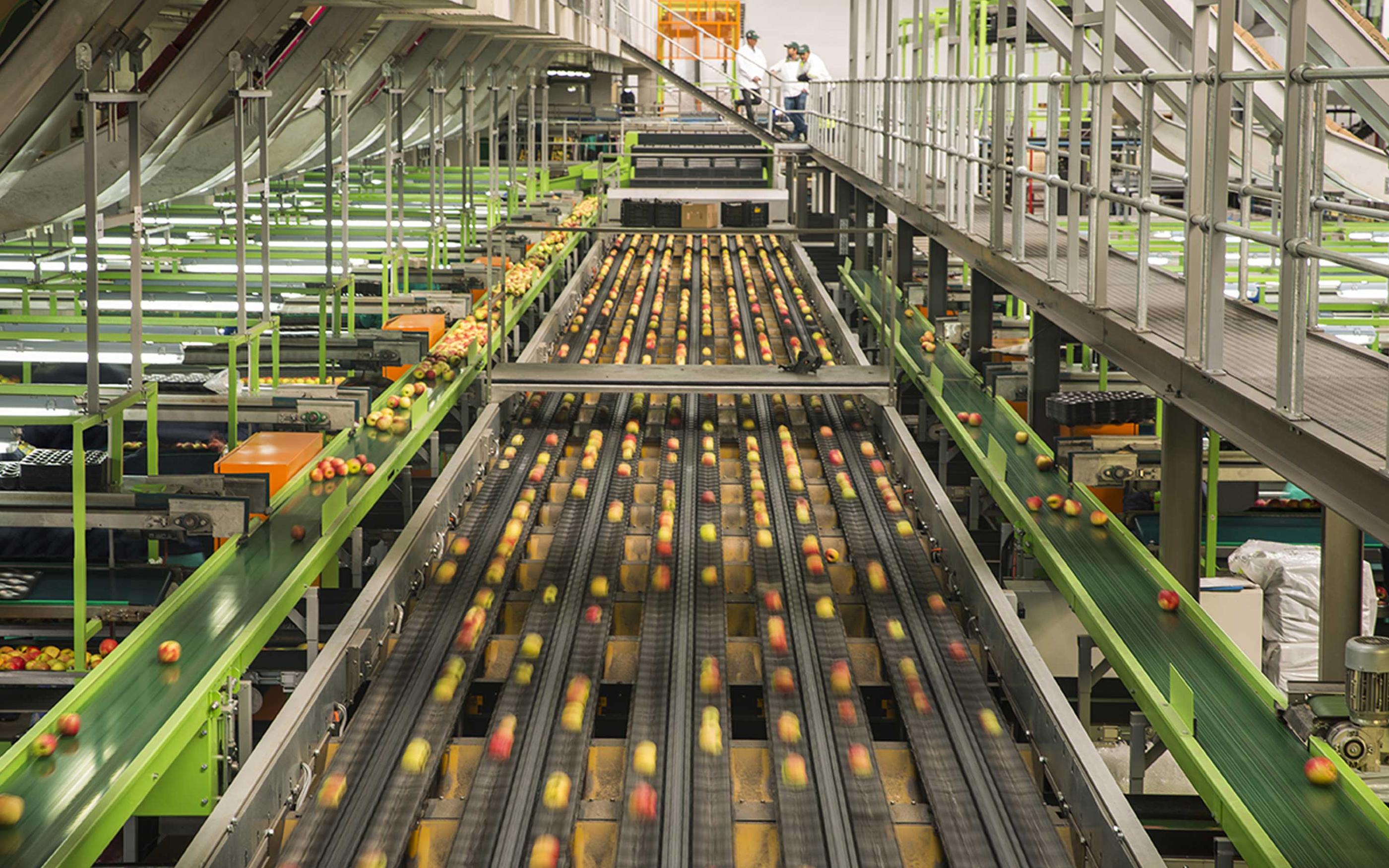
In food and drink, the focus of the first phase of research in 2022, supply chains tend to be more traceable and often relatively linear. This creates credible space for broader, potentially even end-to-end solutions as data quality, standards and visibility improve.
Semiconductors presented a very different picture. Here, supply chains behaved less like chains and more like tightly concentrated dependency networks. Extreme accumulation around a relatively small number of critical nodes makes traditional end-to-end cover structurally difficult, pushing the focus towards more targeted and bespoke interventions.
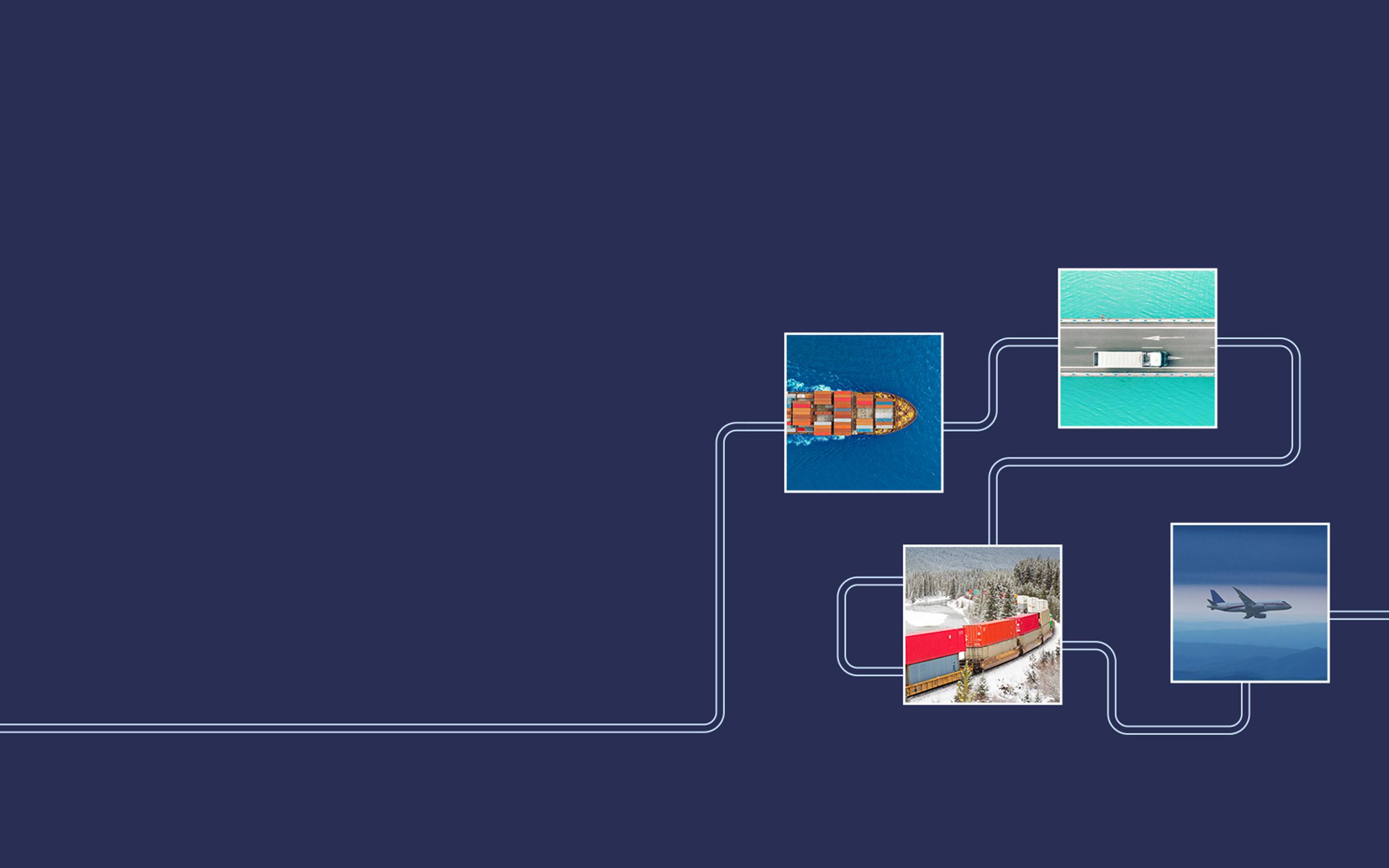
By 2024, the research had moved to transport and logistics, the sector connecting many of these networks together. Disruption can arise through routes, chokepoints, transport modes and digital platforms. Interruption without physical damage is therefore a practical operating reality rather than an exceptional scenario.
The three sectors pointed towards an important conclusion: there is no single supply chain insurance problem, and consequently no single insurance solution. Understanding how a particular network is structured, where its critical dependencies sit and how disruption can travel through it has to come first.
Rethinking what insurance can do
The research also helped clarify where traditional approaches were coming under pressure. BI and CBI remain fundamental, but modern disruption can arrive through delay, denial of access, cyber failure or network breakdown without a single damaged asset at its centre.
This has encouraged greater interest in parametric, index-based and embedded solutions as complements to traditional cover. It has also broadened the discussion around what businesses need insurance to do. For many firms, the immediate priority following disruption is to keep operating: rerouting goods, sourcing alternatives, expediting production or absorbing higher input prices. Increased cost of working therefore becomes an important part of financing resilience in practice.
One of the biggest constraints has been visibility. In 2024, deep-tier dependencies and hidden accumulation remained difficult to map at scale. Advances in data integration, analytics and AI are beginning to change what is possible. Mapping multi-tier networks, identifying concentrations and modelling potential disruption pathways are all becoming more achievable.
That matters because the underlying problem has continued to grow. Geopolitical tension, cyber dependency, digital interconnection and climate change are creating more potential routes through which disruption can spread. Better visibility offers the prospect of understanding those connections before they appear as losses.
Making supply chain risk more visible
In 2024, many of the dependencies that mattered most were still difficult to identify. Businesses might understand their immediate suppliers reasonably well, but visibility became much weaker further down the chain. Concentrations around individual manufacturers, raw materials, transport routes or infrastructure could remain hidden until disruption exposed them.
That is beginning to change. Advances in data integration, analytics and AI are making it increasingly feasible to map multi-tier supply chains, identify concentrations and model how disruption could spread. Work that previously depended on extensive manual analysis can increasingly be supported by data and technology. The aim is to build a clearer picture of where businesses share suppliers and infrastructure, where alternatives are limited and where disruption at one point could have much wider consequences.
Better visibility also creates more scope for insurance to respond. BI and CBI will remain important, particularly where physical damage affects a critical supplier or facility. Parametric and other non-damage mechanisms can sit alongside them where disruption takes a different form or where rapid access to funds helps a business keep operating. That might mean rerouting goods, switching suppliers, expediting production or absorbing higher input costs.
There is still some distance to go. Mapping supply chains through Tier 2 and Tier 3 to raw-material sources remains difficult, particularly when it needs to be done consistently across large numbers of businesses. The same is true of identifying realistic alternatives when a critical supplier, route or piece of infrastructure becomes unavailable. Much of this analysis is possible today, but it remains too bespoke and labour-intensive to apply at the scale the market needs.
Seeing what businesses really depend on
The events of 2024 were a reminder of why this matters. The Red Sea disruption affected one of the world's major shipping routes. The Baltimore bridge collapse restricted access to a major port. CrowdStrike interrupted businesses around the world through a shared digital dependency. Very different events produced the same uncomfortable result: businesses discovered dependencies that could interrupt their operations even when nothing had happened to their own assets.
The three-year Lloyd's–WTW research reached a similar conclusion from a different direction. Food and drink, semiconductors, and transport and logistics each presented different problems, but in every case understanding the structure of the network proved critical to understanding the risk.
Supply chains will continue to become more complex. Geopolitical tension, climate change and growing digital dependence will add further pressure. The opportunity now is to get much better at seeing where the important dependencies sit before they become the source of the next disruption.
Key takeaways
- The Lloyd’s–WTW project marked a market-defining moment: reframing supply chains from an operational issue to an insurability challenge.
- The focus has widened from pure indemnity to resilience and increased cost of working.
- Different sectors require different insurability architectures; there is no single supply chain insurance solution.
Call to action
If supply chain risk transfer is to work in 2026 and beyond, it must be treated as a joint design problem: mapping networks, agreeing what “disruption” truly means, and building the data and wording foundations that allow BI, CBI and non‑damage solutions, including increased cost of working, to coexist without ambiguity before the next shock forces the issue again.
Authors



20 years of the Willis Research Network