

In senior living, risk is never a single event, it's an ever-present, ever-evolving reality that touches every corner of an organization, from the care floor to the boardroom. For operators committed to delivering exceptional experiences and outcomes for residents and their families, a reactive posture is no longer sufficient. Building a true culture of safety requires intentionality, enterprise thinking and the courage to prioritize what matters most.
For this episode, we sit down with Samia Amamoo, Senior Vice President of Risk Management and Compliance Officer for Mather, whose forward-thinking approach to integrated risk management is setting a new standard for the industry. Together, we explore the frameworks, mindsets and practical strategies that define modern risk leadership in senior living:
- The five core risk buckets every operator should be managing, from resident safety and workforce challenges to compliance, building safety and enterprise-level risk
- Emerging threats that won't show up in yesterday's incident report, including cybersecurity vulnerabilities and the cascading risks of technology adoption
- How to balance resident privacy and autonomy with the organizational responsibility to keep people safe
- Building a culture where safety is everyone's responsibility, lessons borrowed from high-reliability industries like aviation and nuclear power
- Crisis preparedness in action: tabletop drills, evacuation planning and the clarity of command that makes the difference when the unexpected strikes
- How to prioritize risk in an environment of competing demands and why focusing on the risks that drive harm and cost is the only sustainable strategy
This episode is essential listening for senior living operators, risk managers, clinical leaders and insurance professionals who are ready to move from reactive to resilient.
Transcript for this episode
SAMIAA AMAMOO: You have to sit back as a company and you have to decide as a corporation what few risks you want to focus on, what few risks drive harm and cost.
SPEAKER: You're listening to The Senior Advisor, a WTW podcast series where we'll discuss issues facing the senior living industry and explore risk management solutions, hot topics, and important trends critical to senior living operations.
RHONDA DEMENO: Welcome to The Senior Advisor podcast. My name is Rhonda DeMeno, and I will be your host for today's discussion, from reactive to resilient modern risk management and senior living. In this episode, we'll explore the realities of risk management in senior living through the lens of an experienced strategy and forward-looking insightful risk manager.
Beginning with her personal journey into risk management and senior living, this conversation sets the stage for a deep dive into the most prevalent risk facing the industry today. From resident falls, medication management, and infection prevention to workforce challenges and regulatory scrutiny. I'm pleased to introduce our guest today, Samiaa Amamoo. Samia is a senior vice president of risk management and compliance officer for Mather. Welcome, Samia.
SAMIAA AMAMOO: Thank you, Rhonda. It's a pleasure to be here this morning. And thank you for those kind words.
RHONDA DEMENO: We're really, really happy to have you today. I want to start the conversation, though. I think as risk management in senior living, sometimes that risk managers wear many different hats. It may not be as specifically assigned risk management job description. So I often tell people when I'm doing education and training, everyone that works in senior living is a risk manager, so to speak.
But I want to get down to the details, Samia, about your personal experience. Can you share your journey into risk management and what led you to the senior living industry?
SAMIAA AMAMOO: Yes, of course. After I finished graduate school, I decided that I wanted to make a profession that would combine my two interests and passions, and one was medicine and science and the interconnection with ethics and language and policy. And so I went into acute care health care risk management. And I was in that for several years.
And then made the decision that I wanted to broaden my perspective of health care risk management and then made the decision to move into senior living. That presented interesting challenges to me because it is more than health care. It includes health care, but it's also housing and hospitality. So you're managing clinical risk, but you're also thinking about properties, staffing, food service, transportation, the whole ecosystem. And so that presented new and interesting challenges to me. And so I've been in that for over 10 years now and continue to find the challenges interesting and worthwhile.
RHONDA DEMENO: Yeah, senior living is very complex. And when you compare to acute care, I mean there are some things that translate over, as you mentioned, clinical risk. But, you're having to deal with the property. These are where residents reside. These are their homes. And you have to provide that hospitality element. So there's many other risk exposures. So I thought that you framed that very nicely. From your experience, Samia, what are the most common risks that senior living or life plan communities face today?
SAMIAA AMAMOO: Well, I think that they fall into four or five buckets and one would be definitely resident safety. And that's falls, medication issues, infections, hazardous wandering, elopement. The second would be team member safety and looking at turnover rates, burnout, making sure team members are trained and supported. The third bucket would be compliance.
As you know, definitely the clinical aspect of senior living is very heavily regulated. So surveys, making sure that there is compliance with all the rules and regulations that we have to live by. And then we've got the fourth bucket, which would be building safety. That's fire. Making sure that we are on top of infrastructure and equipment that is used.
And then you also have to look at it from an overall point of view, which is enterprise risk management, which is overlays all of the buckets that I've been talking about to ensure that they aren't in separate silos.
RHONDA DEMENO: Wow. That's pretty comprehensive. And those are pretty big buckets. So thanks for sharing that. So from a day-to-day standpoint, you also had mentioned when we first started this talking about food safety. Could you expand a little bit on that?
SAMIAA AMAMOO: Well, I think that this is an area that is emerging now with many more people and residents, and also family members and visitors being very conscious of what you eat and making sure that definitely allergens are listed. But also, people want to know different details of what is in the food and how food is prepared, but then also making sure from an infection control perspective, that rules and regulations are being followed, as how food is being prepared and served.
And then also, you've got to make sure that you're keeping audit logs of temperature controls and that those audits are being done on a regular basis. And then finally, which ties to infection control is hand hygiene and definitely routine cleaning and use of hairnets. And it's balancing all of that with making sure that the customer at the end of it, residents, and their family members and team members are having an enjoyable, tasty culinary experience.
RHONDA DEMENO: That was really good information. I know the food is so important to myself on a daily basis, my food choices. And especially to the residents. I mean, that is one of the priorities, I really believe. When residents come to a senior living community, they really want to have a good dining experience. And there's a lot that goes on behind that as far as from a safety standpoint.
So you really hit on some really key points on regulation food temperature and resident satisfaction, meeting residents needs. So that was really good. When we're talking about-- we're hearing more and more about technology and about cybersecurity, more data being available, can you give me some ideas as far as the emerging risks that you foresee in senior living, such as cybersecurity and threats? Can you provide any information on in that area?
SAMIAA AMAMOO: Well, yes. I think when you think about emerging risk, Rhonda, you're looking more for risks that don't necessarily show up in yesterday's incident report, but could become an enterprise level event tomorrow. So we're thinking, for example, of as you just mentioned, cyber risk. So much of senior living runs on technology. We've got EHR, payroll, scheduling, different vendor platforms, and all it takes is one phishing email to take the whole system down.
So cyber threats are a top enterprise risk, and we are constantly thinking about our risk appetite as it pertains to that and different metrics that we can track either internally or externally with consultants to make sure that we have set the right risk appetite and that we are in compliance. In addition to cyber, I would also say that climate is another risk that we have to think through.
Extreme heat events, extreme storms, power outages that might flow from those weather events. And also, making sure that the company is resilient. How are we prepared to continue our business in the event that we are told that a power outage might continue, not for just 24 hours, but maybe for two days or two weeks? So just being resilient and being prepared in that way.
And again, enterprise risk management overlays all of this because we're not just looking at readiness in one area, but we're looking at readiness across many different areas and all of our communities.
RHONDA DEMENO: Very good. Whenever residents make the decision to come into a senior to be admitted or to live in a senior living community, that community not only takes on the resident, but it also takes on the family. So we really have to have considerations related to the resident and family. And with that in mind, how do you ensure the safety and security of residents while preserving the residents privacy and autonomy?
I know family members are always concerned and so they should be in addition to the residents. So could you give us some insight into how you're protecting and preserving the autonomy and the dignity of your residents?
SAMIAA AMAMOO: Yes, I mean, you bring up a good point because I think sometimes this is where the tension might lie. But all of it really boils down to communication and really setting good expectations within this regular and open communication you have with residents and/or their family members. And it's setting this idea of what are you prepared to accept as risk.
You may want to have a family member continue swimming or continue walking. And how can we potentially enhance that experience, but also at the same time ensure that they're safe. So it becomes a discussion. And so long as that discussion is open and people feel that expectations are set, we have had some success with that.
RHONDA DEMENO: Do you do any type of surveys or anything on satisfaction surveys?
SAMIAA AMAMOO: Yes, of course, we do. We are surveying residents to get their response on their satisfaction, definitely on, at least on an annual basis.
RHONDA DEMENO: That's great. I noticed and you had mentioned at the beginning of our conversation, too, the buckets. And within any enterprise risk management program, education and training is so important. So how do you train your staff to identify and mitigate risks proactively in their day-to-day interactions with residents and family members?
SAMIAA AMAMOO: Well, this is an ongoing objective. This isn't something that you can just say that you do training during new hire orientation, and it's once and it's done. You have to commit to doing it constantly, whether it is during stand up huddles, whether it is during all staff meetings, and just reminding team members of their role in safety.
And at Mather, we have the saying, if you see something, say something. If you see that a door is propped open, say something. It may be something just very quick, but that quick moment may lead into somebody either hazardous wandering or some other incident that could end up being very serious.
So we try and on a more regular basis, make sure that there are planned and organized training. We use training through an electronic education platform. We also have in-person training. Generally, we are hoping to instill and empower in team members that safety is everyone's responsibility. And if you see something, say something.
RHONDA DEMENO: I really like that hierarchy of trust, and it sounds as if your overall enterprise risk management really embraces that. So with all the emerging technology and innovation that's available on the market for senior living operators, how is Mathers' balancing the benefits of implementing technology with the potential risk, like privacy concerns or even technical failures.
SAMIAA AMAMOO: Well, yes, I mean, that's really relevant because we're having some of those discussions currently. But you all-- we typically begin with what is the problem we're trying to solve. And then we go through a risk assessment. What potential privacy, cybersecurity, and other issues that may flow from taking on this additional technology.
Some of them we may be able to easily identify. Some of them you may not even identify until you have implemented the system. We usually then are trying to pilot the system and for a period of time to just see how team members are implementing and using the system. Is it as it was described during the sales process? And then tweaking it as we're going through, to make sure that before we roll it out completely, that we feel comfortable and that it is potentially providing solutions to the problems that we were trying to solve.
RHONDA DEMENO: Yeah, that's really a good balance there for sure. We know the residents come into the communities, this is their home. This is where they are living 24/7. And so let's talk a little bit about crisis management. How do you prepare or how does your organization prepare life plan communities to handle unexpected risks such as natural disasters or pandemics?
SAMIAA AMAMOO: Yes, it is a key question these days, particularly in light of the pandemic. But preparedness is key. Clarity is a key component of preparedness. So who's in charge? When do you escalate? And who's in charge may or may not be the manager on duty may or may not be the executive director who is on site that day.
So empowering team members to make them realize on that day, they may be the incident command lead for that particular crisis. And when do they escalate, making sure that team members at the communities know that there are resources at headquarters or at the company corporate level that can provide assistance.
In addition to preparing and providing clarity of who's on charge, practice is key. So we are doing tabletop drills in addition to that live drills. And in anticipation of generator tests and generators going down and making sure that we have plans in place either with local our hotels in the event that we were to have to evacuate from a community.
RHONDA DEMENO: I have been personally involved in a lot of evacuations, and there isn't anything more stressful than an unplanned event or not having transfer agreements and those types of situations, if you do a tabletop exercise or having plans for that. So let's talk about any advice and insights that you could give, especially if we have a new risk manager listening in today or a new organization.
We're really trying to place the importance of risk management at the forefront of every organization. So can you give some insight on really how to foster a culture of safety and risk awareness and accountability among staff and leadership and a life plan community? Can you give some insight and advice for risk managers, up and coming risk managers, new organizations, people that are new to senior living?
SAMIAA AMAMOO: It's a big question, Rhonda, and I'm guessing you're going to get different answers from different risk managers. For me, it's always-- you've got to step back and appreciate that you're one individual. And that you have to have a big your safety and risk management team is everybody has to be focused on it.
And if we borrow from other high risk industries, such as the airline business, such as nuclear power, every person is empowered regardless of your rank or your position, hourly exempt, et cetera. That you're able to speak up and say something if you see something that's outside of the ordinary. That safety is everyone's responsibility. You can't own everything.
And I think that the other piece is that making sure that people understand what a safe environment looks like. While you may think it's, oh, it's obvious, to some people, it may not be obvious. So just taking a moment to explain why it's important to have the yellow cone signs up if there's a puddle of water on a floor, and making sure that it's cleaned up as quickly as possible.
For some team members, that might be something they've got very busy days. People will just walk around it, but it's important to just say and describe to team members what safe and what good looks like so that everybody is able to embrace this idea of safety is everybody's responsibility.
RHONDA DEMENO: So as we're looking ahead, how can the senior living industry better prepare for those demographic shifts? We know that the aging population is booming and we know that where the industry is under bedded and there's changing expectations for care. So can you give some feedback on what the industry should be looking for forward thinking for those shifts and for those ever changing expectations for care?
SAMIAA AMAMOO: Right. And I think that you have to sit back as a company and you have to decide as a corporation what few risks you want to focus on, what few risks drive harm and cost. And they may fall into the buckets that I've already shared earlier falls, infection, staffing, turnover, compliance, emergency readiness. They may fall into those buckets, but they may not.
Maybe you prioritize them differently depending on where your community lives. Maybe you prioritize them differently. If you have a community that has a move in age that is much younger than another community, which has an older move in age. So you have to sit down and really try and prioritize the risks that drive harm.
And from that, then decide how you're going to prioritize and how you're going to make sure that you either train and avoid those risks, or are you going to shift those risks to other insurance providers, to other entities. And these are all things that you do not need to do, and discussions that you do not need to do in a vacuum.
You, Rhonda, have been a party to discussions where it comes to technology risk and different types of projects like that. So I would definitely say to other risk managers, as you are, as we look towards increasing use of senior living and senior housing to use the partners that you've got, either it's your insurance broker and through that, you've got experts like yourself, Rhonda, or there are other consultants in the field that you can lean on who will provide different perspectives and help you organize and prepare.
RHONDA DEMENO: I really like that. And you can't know everything or you can't do it all. So feeling comfortable enough to really utilize your workforce and really to reach out to consultants that may be able to provide that extra layer of expertise and also your carriers and your brokers for sure. So with one final closing thought, is there one piece of advice that you'd give to a senior living operator looking to improve their risk management practices?
SAMIAA AMAMOO: I think that the main area would be to almost to flip the switch, and I would say to focus on safety, because if you have a safe environment, you're already answering some of the questions that relate to risk management. So I would say swap the narrative and focus on making a safe environment not just for residents and team members, but actually the buildings themselves at the external area.
And then as you go into those discussions and those conversations, thinking about how you want to mitigate some of that risk. You may not be able to resolve everything and make everything hazard-free. So in those areas where you cannot make it hazard-free, how can you mitigate that risk?
RHONDA DEMENO: Very well stated. Very well stated. Well, Samia, thank you so much for your insight into risk management. We hope that our listeners found this information helpful. This episode was designed for senior living operators, risk managers, clinical leaders and insurance professionals seeking a deeper understanding of how proactive, integrated risk management supports stronger outcomes for residents, staff, and the organizations alike. Samia, thanks so much for your time today.
SAMIAA AMAMOO: Thank you, Rhonda, for having me.
RHONDA DEMENO: This concludes our podcast today. Thank you for attending The Senior Advisor podcast. If any of you have any questions, please refer to our podcast page to reach Samia or me. Our email and contact information are available there. And thanks again for attending and this concludes our podcast for today.
SPEAKER: Thank you for joining us for this WTW podcast featuring the latest perspectives on the intersection of people, capital, and risk. For more information, visit the insights section of wtwco.com. WTW hopes you found the general information provided in this podcast informative and helpful. The information contained herein is not intended to constitute legal or other professional advice, and should not be relied upon in lieu of consultation with your own legal advisors.
In the event you would like more information regarding your insurance coverage, please do not hesitate to reach out to us. In North America, WTW offers insurance products through licensed entities, including Willis Towers Watson Northeast, Incorporated in the United States, and Willis Canada, Incorporated in Canada.
Podcast host
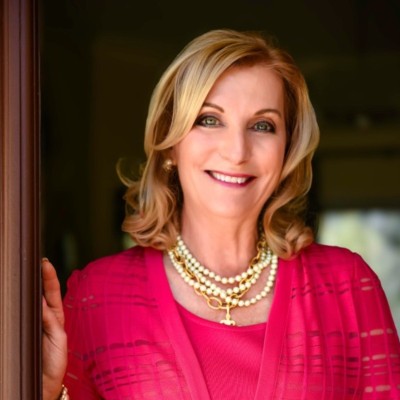
Rhonda DeMeno
Senior Vice President, Risk Services – Senior Living
Rhonda DeMeno
Senior Vice President, Risk Services – Senior Living
Podcast guest
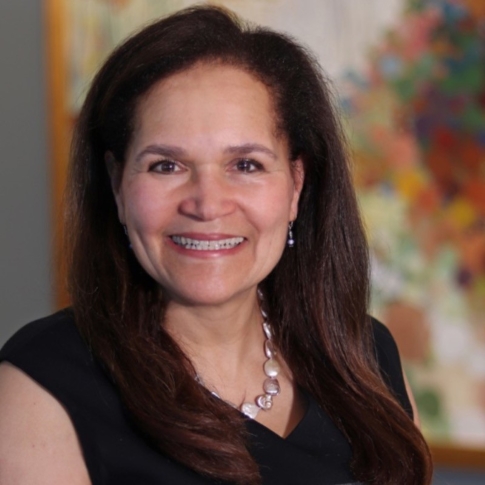
Samia Amamoo
SVP, Risk Management & Compliance Officer
Samia Amamoo
SVP, Risk Management & Compliance Officer