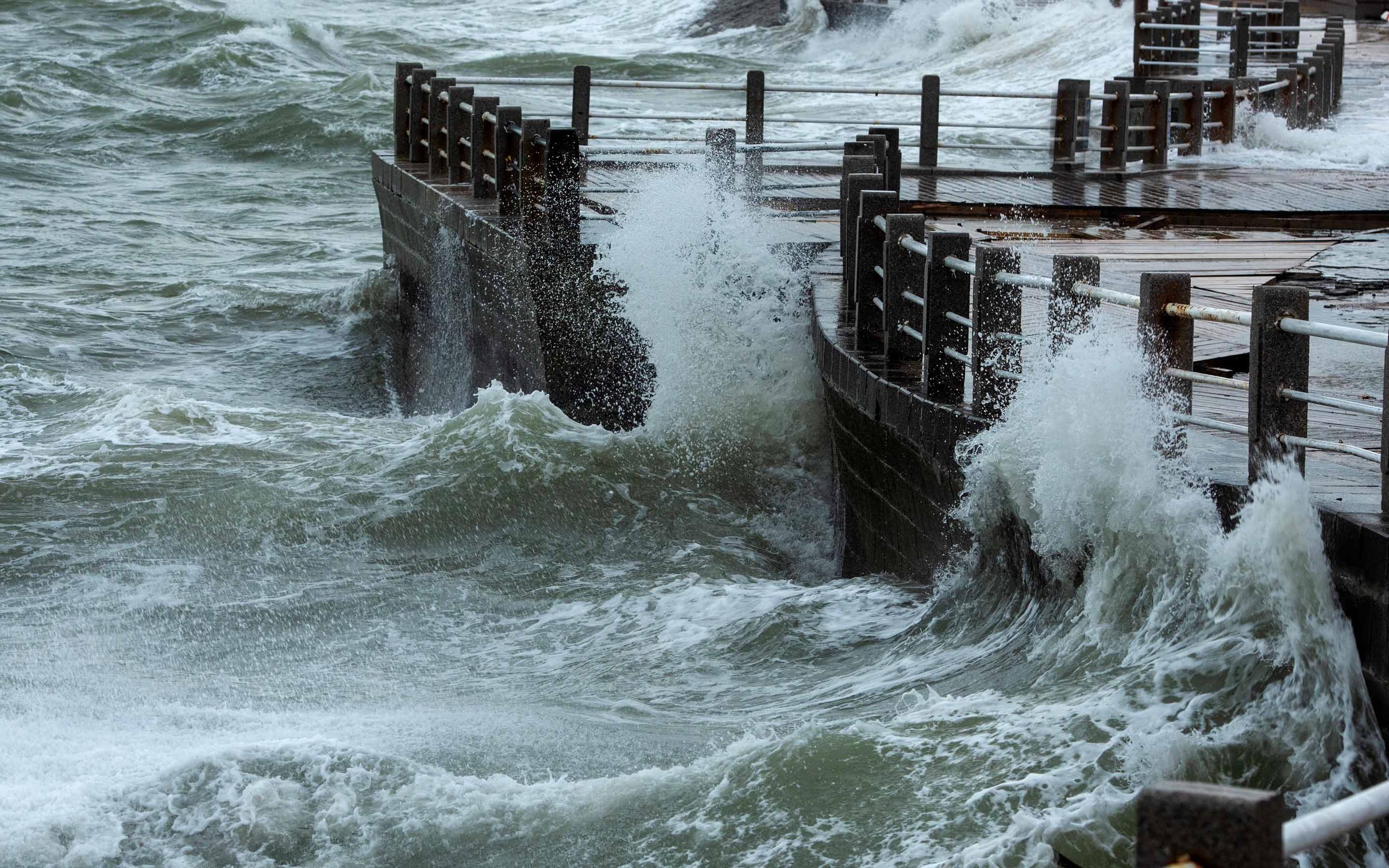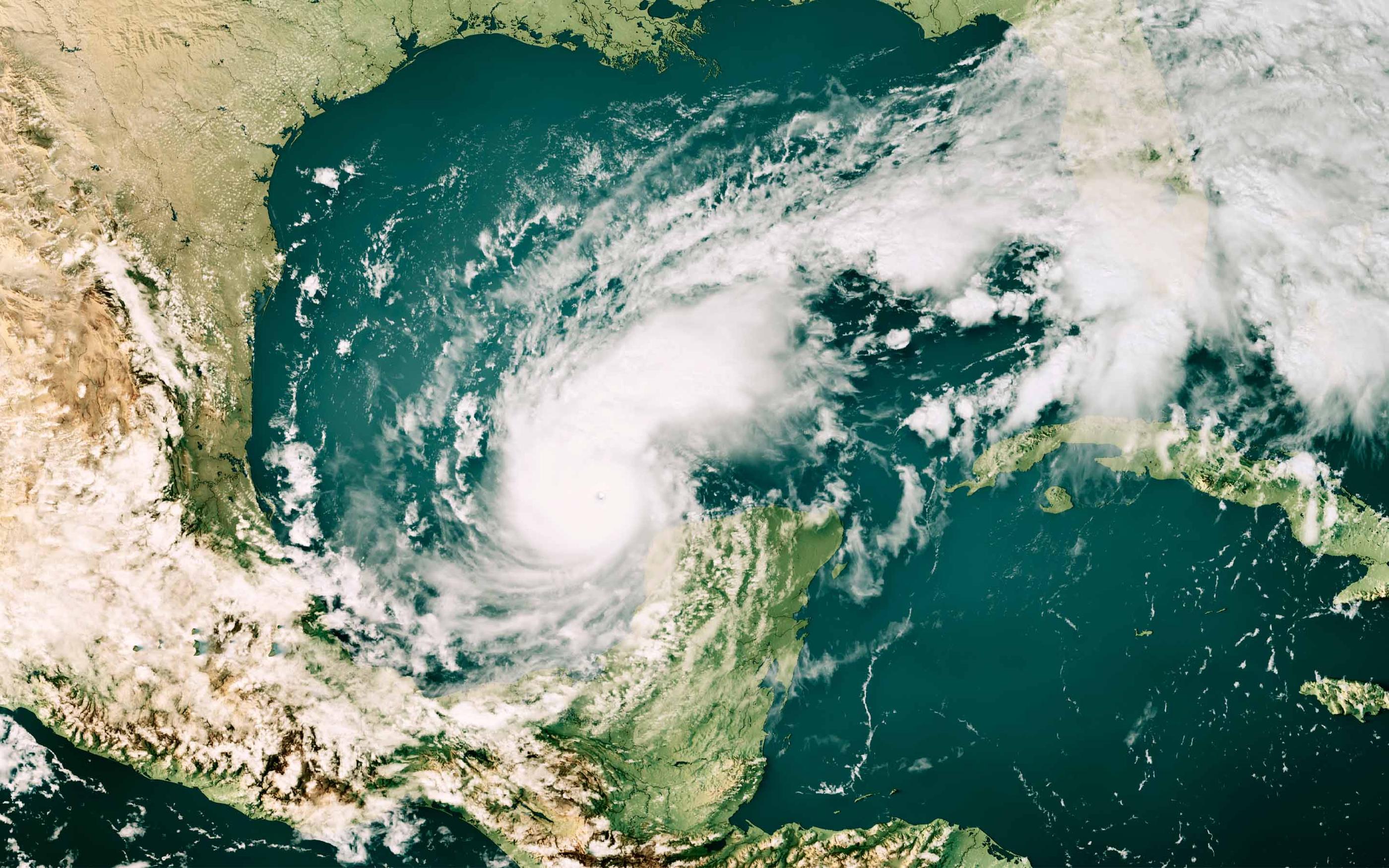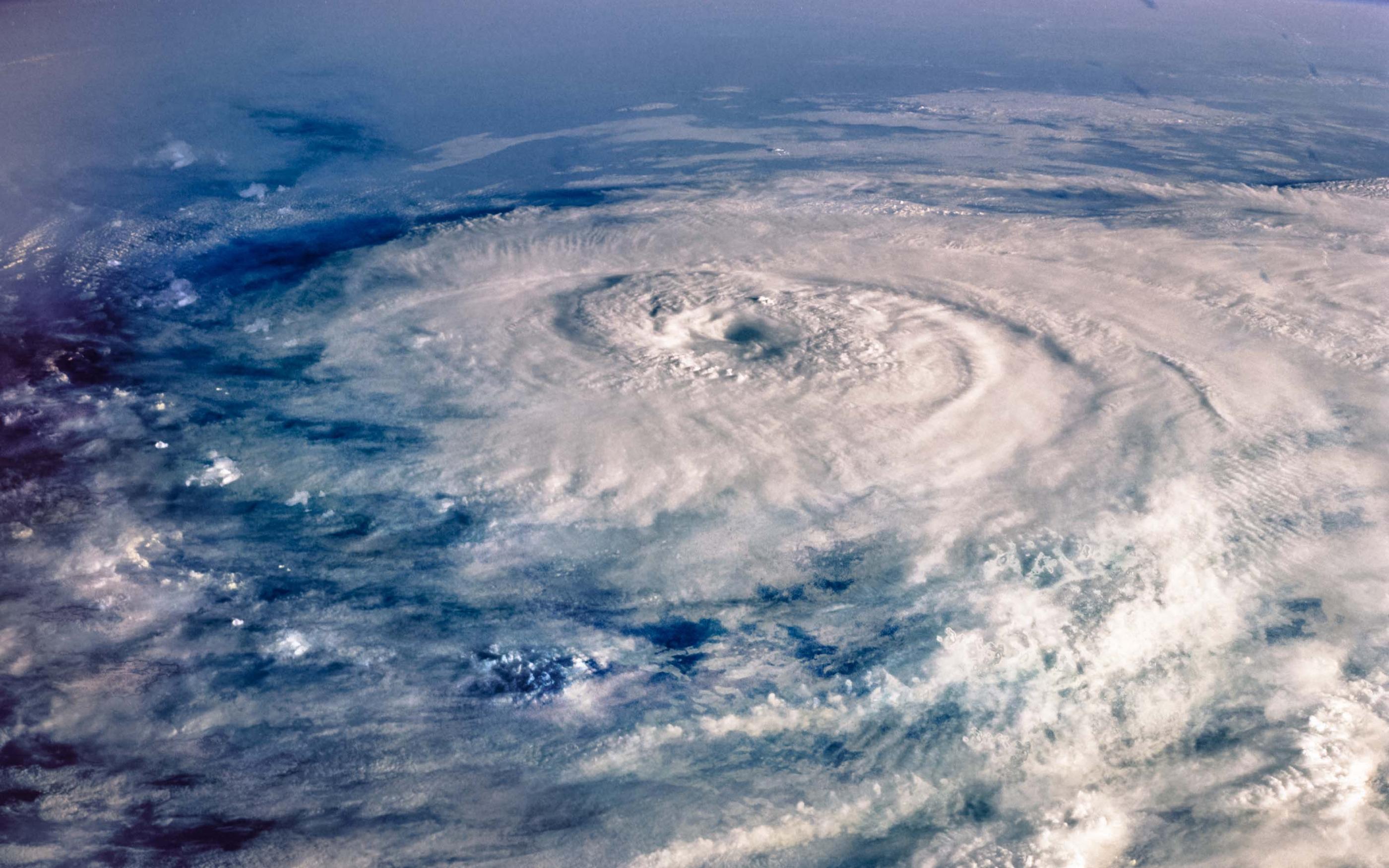
Hurricanes, tornadoes and other natural catastrophes already cause enormous financial losses — $115 billion in the Unites States alone in 2025[1]. In the years to come, we expect many physical perils to be more frequent, more severe, or more correlated. Large organizations have reason to be wary of our stormy future. Operating across multiple geographies keeps them highly exposed to a wide spectrum of catastrophic risks. And because well-established firms create strategies that extend over far-reaching time horizons, they cannot assume those risks will stay the same over the lifetime of the plan. Many companies are turning to third-party providers for an independent view on their exposure to physical risks. But it’s not always obvious how to choose between one service provider and another. That decision is made even more difficult when those risk models don’t seem to agree with each other[2].
At WTW, I’m responsible for directing our research into all forms of weather- and climate-related risks. I have more than 20 years’ experience as an Earth and climate scientist, having worked as a university professor and government researcher. And through our Willis Research Network, I have the privilege to collaborate with (and learn from) many of the world’s top experts in meteorology and climate science. Because of our company’s history in insurance and reinsurance, our research portfolio has traditionally focused on perils that lead to substantial insured losses — with tropical cyclones, extratropical cyclones, and severe convective storms at the top of the list. But we’ve also expanded to take a closer look at other, more unusual perils such as a sudden global cooling triggered by a massive volcanic eruption[3] or climate shocks due to several consecutive El Niños[4].
Even with that experience and support, I still sometimes struggle to understand the inner workings of physical risk tools from providers across the industry. You may face the same challenge on behalf of your organization. Here I’ll share four questions that I find helpful when digging into the details of the latest products and when trying to communicate what we know (and what we don’t know) about extreme weather and changing risks.

Related content
This recent and rapid diversification has given large organizations more options than ever to examine their exposure to physical perils. But regulators and academic experts have expressed concern that, due to a lack of transparency, it can be difficult for end users to understand how these tools work. And if you don't understand how a model works – even only its fundamentals – then you aren’t in position to judge whether it's the right tool for your purpose.
Most physical risk models fit into one of three main categories:
A climate model is a set of mathematical equations that use the laws of physics, chemistry, and biology to simulate Earth’s atmosphere, ocean, land and ice. The latest generation of climate models are some of the most complex pieces of software ever written and can only be run on the very largest supercomputers. Climate models are the only tools that can help us anticipate how the climate will change in the future. But even the sharpest models still divide up the Earth’s surface into coarse parcels no smaller than 10 km by 10 km. So, they can’t by themselves provide detailed information about a specific property’s exposure to tornadoes, hurricanes or other perils.
Catastrophe models combine the physics of specific natural hazards with details about building construction and insurance information to estimate possible financial losses. Each model is built to simulate the effects of a single type of catastrophe (hurricanes, severe convective storms, floods, extratropical cyclones, and wildfire are the most common targets) and is often tailored to a specific geographic region (for instance, the continental United States, Australia, or the North Atlantic basin). Catastrophe models are intended to provide risk estimates for individual properties or portfolios of properties under the present-day climate but should not be used to forecast future risks without somehow incorporating forward-looking information from climate models[5].
The final category is the newest and most eclectic. Weather-hazard models predict the chance wildfire, flood, drought, or another peril will happen now or in the future. Some weather-hazard models simulate the physical behavior of a given threat, such as the hydraulics of water flowing through natural rivers and artificial channels. Others are statistical tools that judge future risks based on history. Many offer extremely precise geographic information, resolving risks at the scale of individual buildings. Unlike catastrophe models, weather-hazard models can’t be used by themselves to calculate the potential financial impact of a given peril. But their results can be used to adjust catastrophe models[6] to obtain a more accurate assessment of the potential costs of weather-related perils.
Because no single model can provide a perfect estimate of risk, corporate clients can take advantage of a broad swath of tools and approaches to assemble a more realistic view on the potential impact of natural catastrophes on their business.
All physical risk models are sophisticated tools. Most users don’t have the luxury of time to step through every part of their machinery and are understandably focused on what the model says about their risk exposure. But at minimum, your partner should be able to explain - briefly and in plain language — how their model works, what questions it can (and can’t ) answer, and its strengths and limitations compared to other approaches. Because no single model can provide a perfect estimate of risk, corporate clients can take advantage of a broad swath of tools and approaches to assemble a more realistic view on the potential impact of natural catastrophes on their business.
If you don’t understand how a model works… then you aren’t in a position to judge whether it’s the right tool for your purpose.
For rapidly changing threats like these, even if your information is only a few years out of date, you run the risk of badly underestimating your true exposure.
Many risk providers depend on reports issued by scientific organizations such as the Intergovernmental Panel on Climate Change (IPCC). Those reports set the gold standard for climate science and provide a careful and authoritative assessment of the state of our current knowledge. But these products take years to produce — the next IPCC report will not be released until 2029 at the earliest — and so there is a substantial built-in delay between scientific discovery and real-world application.
Your partner should be able to tell you when their catastrophe or climate tools were last updated and how they build the latest scientific advancements into their risk models. And if you need to look a bit farther past the horizon to anticipate risks for the next 5 or 10 years, you’re well justified to ask whether those tools can account for future changes in weather- or climate-related perils that we expect to happen but haven’t yet experienced first-hand.

Wildfire
In places such as southern Europe, Australia and the United States, climate change has already made the dry, hot weather that promotes wildfire more common. If warming continues as we expect, wildfire will become more frequent in the Amazon basin, the western mountains of the United States and Canada, the western Mediterranean, and central Asia.

Tropical cyclones
Global warming has already caused tropical cyclones to produce heavier rain and made the strongest storms more common. In the future, those trends should become even stronger and, because sea levels are rising, coastal flooding from storm surge will certainly be higher. So far, we have not seen strong evidence that more storms are making landfall, but some studies do project that Atlantic hurricanes will hit the US more often in the future[10].

Hailstorms
Scientists expect a warmer world will have more storms with large hailstones but the same number or fewer storms producing average or smaller hail. But we are much less confident in predicting hailstorm trends for specific locations or even regions. Several important factors that determine the severity of hail damage, such as the type or size of storm, have proven to be much harder to forecast[11].
It is extremely risky to assume that your exposure to catastrophic perils has not changed and will not change going forward.
After decades spent studying how and why our world is changing, we can now make detailed predictions of climate-related risks years ahead of time. But we also need to be realistic about how clearly we can see the future. In addition to the natural complexity of the Earth’s atmosphere and ocean, we will never be sure how economic choices, political agreements or technology might unfold over the decades to come. As a consequence, any prediction of future climate risk will always have a great deal of wiggle room.
But we cannot delay action to wait for perfect information about the future. It is extremely risky to assume that your exposure to catastrophic perils has not changed and will not change going forward. It’s equally unwise to lean too much on experience and simply extrapolate recent trends into the future. Good advice will set out how your physical risks have already changed, what is likely to happen in the near- or intermediate-term, and what could be possible as a realistic worst-case scenario.
For rapidly changing threats like these, even if your information is only a few years out of date, you run the risk of badly underestimating your true exposure.
Hotter, riskier and more correlated
Wild weather is bad for business. A tornado making touchdown at a critical manufacturing plant can suspend production for several weeks or more. A passing hurricane can cut out roads and railways and can knock data centers offline by severing power lines or water pipes. A single hailstorm across a major metropolitan area can cause an immediate spike in fleet vehicle repairs, followed by increased fixed costs due to higher insurance rates.
If risks from extreme weather were dictated by luck, large organizations could reduce their exposure simply through geographic diversification. But that approach will not work in today’s environment. Today’s climate stands apart, distinguished by its torrid global synchrony[13] . As a result, operations everywhere are facing a shifting baseline of higher and higher physical risks.
To guard against those risks, large organizations need to prepare for a future that none of us have experienced. By themselves, models and data — no matter how accurate or sophisticated — are not enough to address that problem. A reliable partner should be able to give direct and concrete answers to these four questions and, by doing so, help you and your team think through the consequences of a hotter, riskier future to your business.
Footnotes
- Climate Central (2026), 2025 In Review: U.S. Billion-Dollar Disasters. Return to article
- Bloomberg (2024), The risky business of predicting where climate disaster will hit. Return to article
- Stoffel, M. and others (2024), The next massive volcano eruption will cause climate chaos — and we are unprepared, Nature 635, 286-289. Return to article
- WTW (2024), WTW launches partnership with the University of Colorado Boulder to harness the climate prediction revolution. Return to article
- Guin, J. and others (2024), Insights into industrial catastrophe risk climate peril modelling, and cross-sector opportunities for progress, Journal of Catastrophe Risk and Resilience 2. Return to article
- Rye (2023), Why relying on frequency-severity adjustments could underestimate your tail risk from climate change. Return to article
- Hansen, J. and others (1981), Climate impact of increasing atmospheric carbon dioxide, Science 213: 957-966. Return to article
- Manabe, S. and Stouffer, R.J. (1980), Sensitivity of a global climate model to an increase of CO2 concentration in the atmosphere, Journal of Geophysical Research, Oceans 85, 5529-5554. Return to article
- McCabe, G. and Wolock, D.M. (2007), Warming may create substantial water supply shortages in the Colorado River basin, Geophysical Research Letters 34. Return to article
- Knutson, T. (2024), Global warming and hurricanes. Geophysical Fluid Dynamics Laboratory (accessed November 25, 2024). Return to article
- Fischer and Kuntz (2025), How hail is changing in Europe: 3 things to know about climate change and hail risk. Return to article
- Kornhuber, K. and others (2023), Risks of synchronized low yields are underestimated in climate and crop model projections, Nature Communications 14, 3528. Return to article
- St. George, S. (2019), Aberrant synchrony of present-day warming, Nature 571, 484-485. Return to article
Author

It is just as critical to work through plausible ‘what-if’ scenarios and possible actions to avoid or cope with the full spectrum of likely and potential risks.