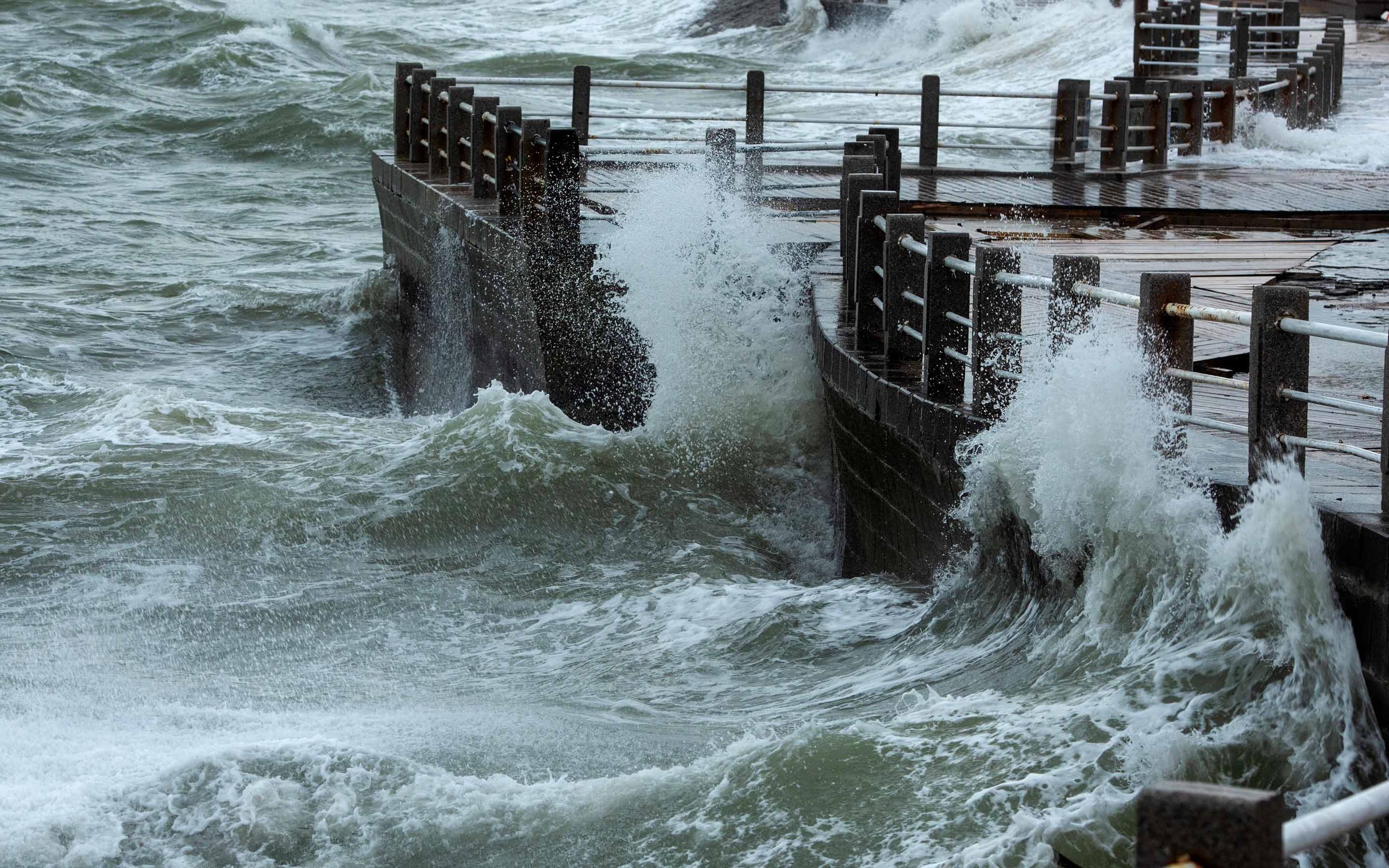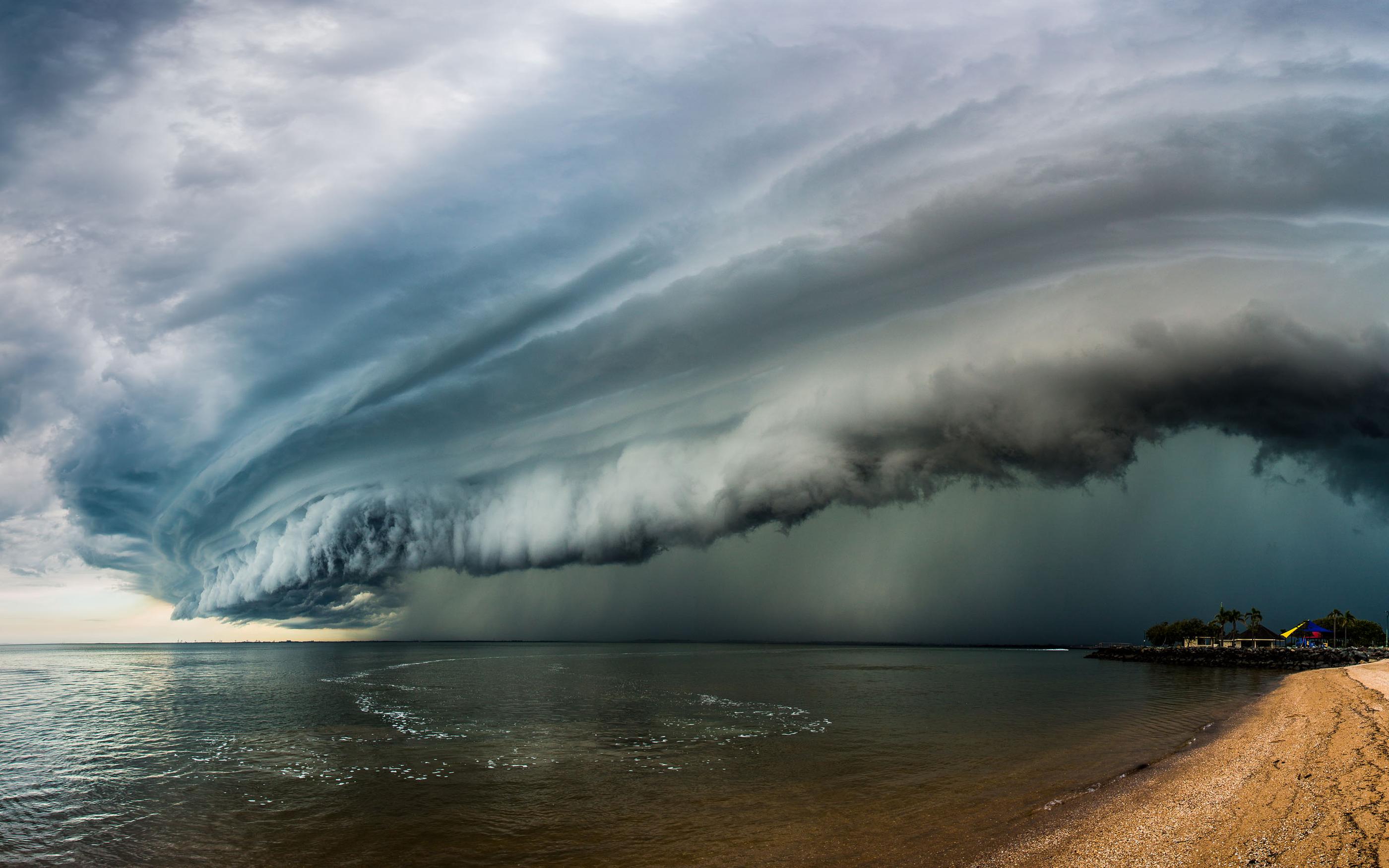
Asia-Pacific is one of the world's most exposed regions to natural catastrophe risk. Rapid urbanisation, growing concentrations of assets and a changing climate are making disaster risk more complex than ever. At the same time, forecasting science continues to advance, providing increasingly sophisticated insights into where and how extreme weather may unfold.
Yet better forecasts alone do not reduce losses. Scientific advances only create value when they help governments, businesses and communities make better decisions before disaster strikes.
That principle has shaped the Willis Research Network's work across Asia-Pacific for more than a decade. One event, in particular, helped crystallise that thinking: Super Typhoon Haiyan in 2013.
When forecasts failed to translate into action
On November 8, 2013, Super Typhoon Haiyan (locally known as Yolanda) made landfall in the central Philippines as one of the most powerful tropical cyclones ever recorded. Combining destructive winds with a devastating storm surge, it caused more than 6,000 deaths and widespread devastation.
Forecasts were broadly accurate and early warning systems were operational. Alerts were disseminated through national agencies and local networks. Yet many people did not understand the term "storm surge", while evacuation orders were underestimated or ignored.
Haiyan demonstrated that accurate forecasts alone do not determine outcomes. How risk information is communicated, understood and acted upon can be just as important as the science itself.
For the insurance industry, the disaster reinforced that losses are shaped by more than the physical hazard. Public behaviour, governance and the effectiveness of early warning systems all influence the human and economic consequences of catastrophe. It also highlighted the protection gap that persists across many vulnerable regions, where economic losses continue to far exceed insured losses.
From understanding hazards to improving decisions
Haiyan became a defining moment for the Willis Research Network's work in Asia-Pacific. While advancing hazard science remains fundamental, the disaster reinforced that research creates its greatest value when it helps people make better decisions before disasters occur.
In the years that followed, the Network increasingly focused on translating scientific advances into practical tools that strengthen preparedness, improve insurance solutions and build financial resilience. This philosophy has since shaped research ranging from high-resolution typhoon modelling to innovative approaches to disaster risk financing.
Understanding tomorrow's typhoon risk
One example is the Network's long-standing partnership with the National University of Singapore (NUS). Established in 2009, the collaboration has evolved from improving our understanding of regional hazards to developing high-resolution, physics-based simulations that explore how typhoons may behave under different climate conditions.
Recent research examined Super Typhoon Yagi (2024), using simulations to explore how the storm might have behaved under warmer and cooler ocean temperatures. While warmer oceans produced stronger winds and heavier rainfall, the research also showed that storm tracks remain uncertain. Even under cooler conditions, Yagi still generated severe local impacts where it crossed vulnerable communities.
But understanding future storm behaviour is only part of the challenge. Simulations such as these help decision-makers explore how changing storm behaviour could affect communities, infrastructure and economic losses under a range of scenarios. This insight can strengthen emergency preparedness before landfall and inform disaster risk financing and parametric insurance, helping ensure resources and funding reach affected communities more effectively after an event.
Turning science into financial resilience
Improving our understanding of storms is only valuable if that knowledge can be applied in practice. One important example is parametric insurance.
Parametric policies rely on predefined triggers, such as a storm entering a specified area, to enable rapid payouts after an event. However, the strongest winds are not always located closest to a storm's eye, meaning poorly designed triggers can miss damaging events entirely—a basis risk problem that undermines the policy's value.
Research with NUS has shown that trigger design should reflect local storm behaviour rather than relying on one-size-fits-all approaches. For example, Hong Kong requires a tighter trigger radius than Manila because the characteristics of typhoon landfalls differ between the two cities. Applying local science in this way helps reduce basis risk and creates insurance solutions that better reflect the risks communities actually face.
Building resilience across Asia-Pacific
The same philosophy extends beyond individual research projects.
Through initiatives such as the Global Asia Insurance Partnership, Willis has brought together academia, governments and the insurance industry to strengthen disaster risk financing and resilience across the region. By connecting scientific research with insurance innovation and public policy, these collaborations help ensure advances in hazard science translate into practical action.
Beyond the forecast
More than a decade after Haiyan, its most important lesson remains unchanged. Forecasts, models and scientific advances have little value unless they influence the decisions made before disaster strikes.
As climate change continues to reshape typhoon risk across Asia-Pacific, the challenge is no longer simply producing better forecasts. It is ensuring scientific insight is understood, trusted and translated into action.
That continues to define the Willis Research Network's work across the region. Whether improving typhoon modelling, strengthening parametric insurance or supporting regional partnerships, the objective remains the same: turning better science into better decisions.
Contacts

20 years of the Willis Research Network