


Scenario building and impact analysis
Scenario building and impact analysis is a crucial part of the risk management process, even more so with the spotlight being applied to scenarios and stress testing by the regulatory bodies. Risk Scenarios clearly communicate potential adverse events that could impact the business, detailing how, where, and why these events might occur, and their likely consequences. This information is essential for analysing how specific risks will affect the business in terms of response, business interruption, continuity and cost. It also helps indicate how insurance could respond, facilitating better risk transfer. However, a deep dive analysis of a specific risk is usually only fully explored for cyber risks, think black hat days/red flag days, whilst other high priority risks remain static and can lose their significance with outdated or broad scenarios.
A well-developed scenario landscape leads to a better understanding of risks and allows for the assessment of mitigation strategies
Without understanding the frequency and severity of potential events, scenarios may fail to highlight critical risks. A well-developed scenario landscape leads to a better understanding of risks and allows for the assessment of mitigation strategies, including insurance. Missing out on identifying sources of risk can create gaps in your risk profile, reducing opportunities to minimize exposure.
In a constantly evolving business environment, including mergers, acquisitions, new geographies, and regulatory changes, how can you ensure your risk scenarios remain relevant?
Example of a risk scenario output
| Loss Impact Type – Risk Scenario 1 | 1 in 100 Years (Worst case) | 1 in 50 Years | 1 in 10 Years (Moderate) |
|---|---|---|---|
| GBP £ Impact | GBP £ Impact | GBP £ Impact | |
| Financial: Loss of revenue | 15 million | 4 million | 1.5 million |
| Compensation to third parties | 10 million | 7 million; | 0.5 million |
| Regulatory fines | N/A | N/A | N/A |
| External legal fees | 10 million | 3 million | 0.5 million |
| External consultant costs | £24 million | £13 million | £1.0 million |
| Internal costs | 3 million | 3 million | 1 million |
| TOTAL | £62 million | £30 million | £4.5 million |
WTW’s Scenario Development and Impact Workshops
Our Scenario Development and Impact Workshops enable a deeper understanding of how each priority risk scenario will impact the business.
Speak to our specialists in operational resilience

Scenario Workshop output enables organisations to:
- Develop new or update to existing procedures and protocols to ensure stronger controls and addition to business interruption plans, business continuity plans and enhancement of operational resilience.
- Fully understanding risk transfer options including recommendations for adjustments to limits and deductibles either up or down, amendments to wordings to provide more comprehensive coverage or new policies, where no cover exists.
- Demonstrate to key stakeholders, including senior leadership, board members, shareholders, regulators and clients that your risk programme is robust and safeguards the business moving forward.
For more information or to discuss how Scenario Development and Impact workshops can help you, contact the Operational Risk Solutions team at WTW.
Disclaimer
WTW hopes you found the general information provided here informative and helpful. The information contained herein is not intended to constitute legal or other professional advice and should not be relied upon in lieu of consultation with your own legal advisors. In the event you would like more information regarding your insurance coverage, please do not hesitate to reach out to us. In North America, WTW offers insurance products through licensed entities, including Willis Towers Watson Northeast, Inc. (in the United States) and Willis Canada Inc. (in Canada).
Author

Operational Resilience Contacts


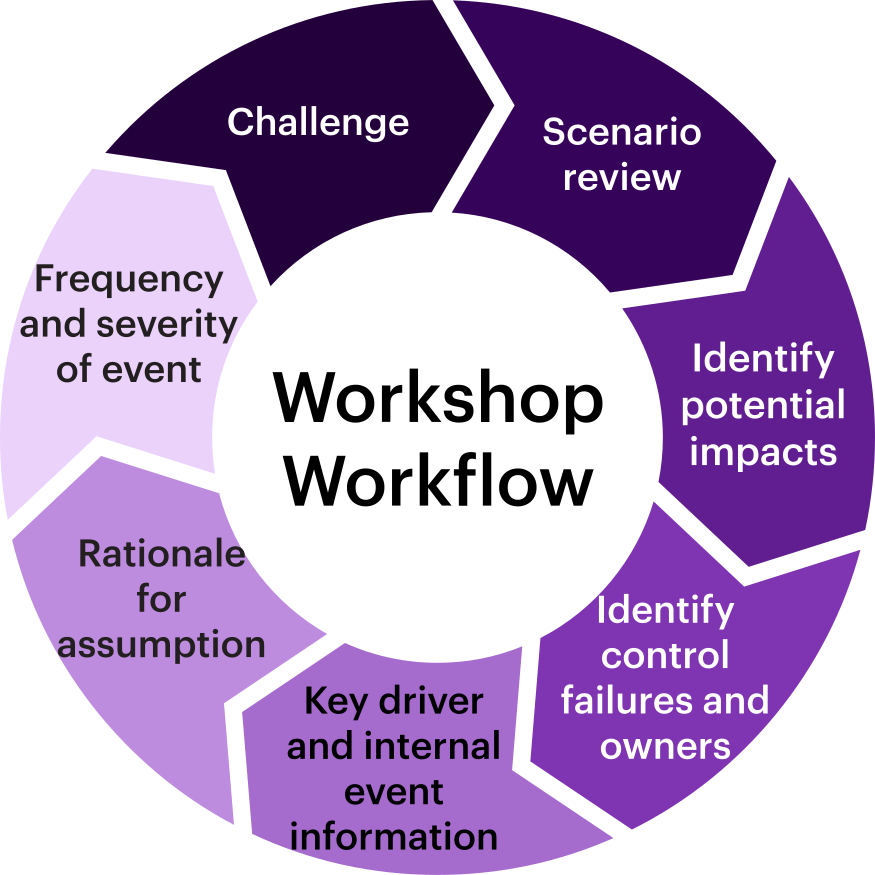
The Scenario Development and Impact Workshops workflow