In this episode of the Pensions Perspectives Podcast, host Luna Fadayel is joined by David Walmsley of The Pensions Regulator, Jenny Gibbons (Governance consulting lead at WTW) and Hazel Kendrick, co-author of WTW's In Good Hands survey (Professional Trustee Survey 2026), to explore how trusteeship is evolving across the UK pensions landscape. Together, they discuss whether the growth of professional trusteeship is improving governance, what truly makes a high-performing trustee board, and how technology and AI may reshape the role of trustees in the years ahead. Above all, the conversation explores a simple but important question: what will it take to ensure pension schemes remain in good hands for members?
In this episode of the Pensions Perspectives Podcast, host Luna Fadayel is joined by David Walmsley of The Pensions Regulator, Jenny Gibbons (Governance consulting lead at WTW) and Hazel Kendrick, co-author of WTW's In Good Hands survey, to explore how trusteeship is evolving across the UK pensions landscape.
Transcript for this episode
LUNA FADAYEL: Hello, and welcome to this episode of The Pensions Perspectives Podcast. I'm your host, Luna Fadayel, a scheme actuary and relationship manager. Now, today we're discussing something that's at the very heart of the pensions industry, are pension schemes really in good hands? And I ask that question because trusteeship is evolving very quickly.
LUNA FADAYEL: Our In Good Hands survey, published earlier this year, found that about half of UK DB pension schemes have at least one professional trustee on the board. It also found that corporate sole trustee appointments continue to grow, and also that expectations on trustees, whether professional or lay, are arguably the highest that they have ever been. Is all this change translating into better governance, better decision-making, and, more fundamentally, better outcomes for members?
To help explore that, I'm joined by three guests today who see trusteeship from different angles. Sir David Walmsley, who is the director of trusteeship, administration, and DB regulation at The Pensions Regulator, Jenny Gibbons, who's head of pensions governance consulting at WTW, and Hazel Kendrick, who is WTW head of strategic relationships and co-author of our In Good Hands survey. Welcome to all three of you. It's lovely to have you in the studio today.
HAZEL KENDRICK: It's great to be here.
LUNA FADAYEL: Now, before we get into the discussion itself, I'd love to start with a little bit of a scene setter. So for listeners who may not know you, what's the part of trusteeship that you spend most of your time thinking about? David.
DAVID WALMSLEY: It's a good question. I mean, trusteeship is everything at the moment, but there's a huge focus on it from the regulator, from DWP with the consultation, which should be coming out soon. And part of my role, I guess, is thinking about the trustee of tomorrow. What is required for better outcomes? Part of my role is also pension reform.
So I'm looking at CDC, super funds, surplus return, amongst other things. I'm constantly looking at tomorrow's risks. And the trustees today focusing on making sure that they're ready for tomorrow's risks and have the skills and the knowledge to tackle them.
LUNA FADAYEL: OK, Jenny.
JENNY GIBBONS: So I spend a good portion of my time thinking about the aspects of trusteeship that aren't written down on pieces of paper by way of policies and processes. So it's the softer dynamics in terms of how a trustee chair sets the tone, how we make sure that all the voices are heard in a trustee meeting, how we go through the decision-making process in a sufficiently thoughtful and diligent way. So it's those non-written down aspects of trusteeship that I spend a lot of time thinking about.
LUNA FADAYEL: And Hazel.
HAZEL KENDRICK: I'm very fortunate having worked in the industry for over 30 years. I've worked with countless trustee boards, and I get to speak to hundreds of professional trustees every year. And I think about the role of the professional trustee every single day. And I'm a real advocate for a professional trustee appointment, because with a professional trustee, you get the scale, you get the experience, and you also get expertise.
And in my opinion, the best professional trustees are excellent networkers, extremely well connected with our industry. And I like to think about the friendships we've all got in the industry and how we help each other to make sure we deliver better outcomes. And I love when I see a really effective professional trustee who is working that influence, and bringing in expertise at the right time for the right reason.
LUNA FADAYEL: And that's quite interesting. So the three bits that you touched on actually will help form this conversation. So let's dive into those areas a little bit more. So starting first with one of the biggest changes that we've seen over the last decade, even the last five years. And that's professional trustees have moved from being relatively unusual appointments to becoming a mainstream part of the pensions landscape. But has the growth of professional trustees been the cause of better governance, or simply the consequence of increasing complexity?
[INDISTINCT]
JENNY GIBBONS: I think that professional trustees have done a huge amount to uplift standards of governance, because if we wind back a few years, I feel like without that industry experience, there was a huge amount of reliance on advisors. And fortunately, advisors are very high quality in our industry. But just by having that professionalisation of trustees, you've got several voices who are able to interact at the level of nuance and high complexity and sensitivity. So I think from that point of view, there has been a real uplifting in standards of governance.
HAZEL KENDRICK: Yeah, I agree, because when I look at the professional trustee firms, I'm hearing on a regular basis that as the appointed trustee have a problem that's emerged at a board meeting or for the strategy, and I'm not 100% clear or I don't feel like I have the most expert experience in that area because it's such a huge, broad role now we all know, I love seeing that bench strength, which in the organisations where they've got very established strong communication networks, again, these connections and friendships, it's who else that I'm working alongside inside my organisation has experience, and that really helps drive, I think, strong expertise and I hope drives better member outcomes.
DAVID WALMSLEY: And I guess for me, just looking back over the last five years, the industry has got much more complex. There's a lot more to think about. And the professional trustees have brought an awful lot of experience and knowledge to this. You re a really good point about the challenge in the advisors. I think the pensions industry was led by a lot of advisors. Advisors made decisions, and that really must go back to the trustee. The trustee is the accountable person and must make all the decisions for that scheme in members interest.
And whilst we're talking about professional trustees, we really must remember the member-nominated trustees who bring an awful lot to the governance structure. They have that corporate memory and some of the best interactions I've had. Even in my past role as a covenant advisor was with the member-nominated trustees who really understood the business and the covenant. So I think there's an awful lot they bring to the table.
LUNA FADAYEL: I think that's right. I think it's all about having almost a diversity of people on the board who can bring those different lived experiences to the scheme and which will effectively lead to those better member outcomes.
HAZEL KENDRICK: I would add to that just the appointment of a professional trustee. It shouldn't be at the expense of that diversity in my opinion. It's really important that boards keep that under watch and look and see, have we got the right diversity? Do we have the right structures to hear, challenge, and work with that challenge in a constructive way?
LUNA FADAYEL: Yeah, and I think that's what I'm hearing. I'm hearing that greater professionalisation can bring benefits, but only if it's balanced with independence, challenge, and accountability at the centre of that decision-making process. Now, in reality, governance is ultimately delivered by people, not organisational charts. So let's talk about what makes a trustee board truly effective.
So imagine you walk into a trustee meeting for the very first time. What is it that you see in the first 20 minutes that really differentiates the board as a high-functioning board? Let's go to Hazel.
HAZEL KENDRICK: So I think I get a sense of a team dynamic within the first two minutes of any meeting, but especially a trustee board meeting. And I really like it when I observe trustee boards where they've clearly got that rapport with each other, even if there's newer trustees that have come into the team. And getting that team dynamic, that social capital flowing from the moment you have new team members joining your team as a trustee board. So for me, that is a very strong sign of a high-performing trustee board.
LUNA FADAYEL: And Jenny, you've had your fair share of walking into boards and assessing exactly this. So are there examples of behaviors that you can share?
JENNY GIBBONS: Yes, a tremendous privilege of my job is that I get to go and work with a number of different trustee boards, and I love this question, I love that, because you do get an idea within 20 minutes of what you're seeing in front of you. So perhaps some of the things that we can look out for are, I mean, first of all, are all the trustees there? And have they very clearly read their meeting packets and prepared appropriately? That's baseline necessary for effectiveness.
But there's a couple of things that help you get under the skin of a high-performing trustee board. One of them is a real sense of continuous improvement. So when we do a board effectiveness review, interestingly, some of the very best trustee boards I've ever worked with have that real sense of, how can we do better? Give us examples of places where we can move forward a couple of steps in a way that actually some trustee boards who aren't operating at that level are asking themselves. So that continuous improvement is definitely something.
And then another one, which I think is really interesting, is how the board deals with conflict. And I don't mean conflict in a strong sense, I mean a difference of opinion. And the very best trustee boards, they don't just observe that there are different opinions around a table and understand and count them, but they work to understand what's behind the difference of opinions and really understand it before coming to a consensus view. And it's surprising that isn't always the way that decisions are made and conflicts are ironed out. So there's a couple of little things.
DAVID WALMSLEY: It's a red flag for me when-- and I've been in many trustee meetings where they've said to me, we have never disagreed about anything.
JENNY GIBBONS: Yes.
DAVID WALMSLEY: Really?
JENNY GIBBONS: Yeah. You haven't tried hard enough then, yes.
DAVID WALMSLEY: Absolutely. I'm really glad you started this with asking about the trustee board, because, yeah, it really is about the board and the collective capability of that board. There isn't any such thing as that super duper amazing trustee who can do everything. They just do not exist.
So when I really think about how a board is effective and how they high performance, really understanding that agenda. Is the agenda clear? Is there data and statistics attached so people can make decisions? But then just observing that board, it's the chair's role to make sure there's inclusion. And that diversity of thought and voice and opinions to really explore issues and get everyone's views to come to the best outcome for the members.
So it is that inclusion and the diversity of thought and really challenging the advisors. The advisors are there to advise. It's the trustees role to really challenge and have the confidence and the knowledge to challenge what they're being advised.
LUNA FADAYEL: So it's not so much the trustee having that technical knowledge. It's more about having the confidence to be able to understand and use their judgments to what they're hearing and to challenge that and come back to them.
DAVID WALMSLEY: And that's the simple question, why?
JENNY GIBBONS: And the chair does a huge amount to facilitate that tone and that culture. The minute someone is made to feel foolish for having asked a question, it's game over. That's a huge risk. So the chair is such an important guardian of that precious thing that is psychological safety, inclusivity amongst the board.
LUNA FADAYEL: And Hazel, you do some recruitment exercises of professional trustees, and when you run those processes, is there anything you think is undervalued in that selection process?
HAZEL KENDRICK: I think that there is a tendency no matter what the size of the scheme, for schemes to go with very well known people in industry, and that's no bad thing. We've got some incredible talent in senior trustees that have been in our industry for the decades that I've been in the industry for. I think it's really important for organisations or trustee boards looking to bring in fresh talent to be open to a wider pool of professional trustees.
And in some cases, some boards want that independent, not connected to a professional trustee firm. So that's also another angle. But it's really-- I always encourage the selection panel to be open minded about exploring other competencies and other types of experience within the pension sphere, ideally, but not all boards.
If we look at the master trusts, a lot of-- some of them-- one master trusts in particular is very happy not to have any pensions expertise on its board, because the executive has a lot of pensions expertise and they are looking for that different level of challenge. But I think we can learn a lot from that model.
LUNA FADAYEL: And that goes back to what David was saying as well about that diversity and having those different viewpoints on the board is just absolutely key. And although I quite like the image of having a superhero trustee in my head, the cap and a mask, it's not about that one trustee. It's about having that board come together.
HAZEL KENDRICK: I find it very refreshing when you meet a board and they look at themselves and they say, well, we've got such and such a person. He's a fantastic investment, industry heavy, so-and-so with the covenant background, so-and-so with the legal background. Actually, where's our gap? Our gap is on, and then they name that gap. For me, that makes it also very helpful for that selection process, because then you can also brief the market and get the market to help you put in place the correct candidates for the opportunity to improve the member outcomes in that environment.
LUNA FADAYEL: Yeah.
JENNY GIBBONS: And just an extra layer, as if there weren't already enough factors that could go into finding the right person to fill a gap is not just the experience that they have and the kind of industry that they've worked in, but also their way of contributing to group situations. So imagine we had a apparently diverse group of individuals who were all analysts and finishers, we'd have a very-- we can imagine the way that trustee board would operate conversely, if we had a board that was stacked full of innovators and strivers. Imagine what that trustee board would operate like.
But actually, if we have a board which doesn't have key components from the full spectrum of behaviors, you can see where it might show up in the job that we're asking trustees to do. So we do need some innovators who are looking around the next corner and scanning the horizon. It's just that we don't want to hold boards stacked full of them so that layer is interesting.
HAZEL KENDRICK: I think it's quite-- you have to be quite brave, I think, as your team, your board. You've got to be quite brave because sometimes you might say, well, that person's going to be really disruptive and that's quite difficult. You think, oh, I'm going to bring this disruption in. And sometimes that is the right decision for a board to make.
LUNA FADAYEL: And that's quite interesting the different competencies being brought and the innovation piece in particular because I'd like to move this conversation, looking ahead into the future. Over the next few years, we're likely to see a more consolidated landscape, more schemes reaching their end game destinations and also technology playing a huge part in governance. Now everyone is talking about AI and automation, and it feels like a good place to start. So how do you see technology changing the role of trustees? You'd like to go--
DAVID WALMSLEY: Role of trustees or pensions in general. I think AI could be fundamental in bringing change to the industry as a whole, especially administration member communications, just member experience. And as we move forward with dashboards and people becoming more engaged with the pensions, there's more to do. So I think we have to embrace AI.
We're certainly doing it at The Regulator. We're using it more and more. We sent out some guidance in May, I think it was this year, and we'll follow that up later on in the year with some more guidance. But it's a fundamental shift and that needs new skills on the Board of Trustees.
So first of all your data. Have you got really excellent data? Because if you feed AI rubbish, you're going to get the rubbish out. And then just really thinking about the future of technology. How do you use AI? You need somebody who's accountable on the board for use, the testing, making sure that you're protecting against scams in the future. There's an awful lot-- the industry is changing so fast. And that's what I said right at the beginning.
I'm looking to the future, the new risks that are coming and making sure that board is set up to tackle them risks. And you can-- any board will never eliminate risk. It's just about understanding and being accountable for them so you spot risks and mitigate them faster.
LUNA FADAYEL: Yeah, I think that's key because even if a board says we're not going to adopt AI, you can't stop your members from doing it. If someone typed something into Google asking them what their pension provides automatically, it will be an AI response, even if they haven't gone into an AI app. And I think trustees might need to recognize that and think, well, OK, if this is how our members are accessing information, what can we do as a board to ensure that the right information is getting to them? So even if they are not willing to adopt it straight away, they need to be aware that actually their members are. So they almost have to.
DAVID WALMSLEY: Absolutely.
HAZEL KENDRICK: But Luna you touched on their boards that are not yet willing to adopt AI. And David, you touched on encouraging trustee boards to embrace AI. I just wanted to second what David's saying there, because it's not a case of in the future. AI is here right now, and I feel that AI will not be able to replace the judgment of an experienced, professional human being.
So if I was a trustee chair or a trustee board member, I wouldn't be worried about my position by embracing AI and using it to optimize efficiency and effectiveness, because I don't see AI replacing that judgment piece that I think the trustee side of our industry is very, very talented at.
LUNA FADAYEL: Yeah, I think that's right. I think technology and regulation might change the mechanics of the role, but I think fundamentally it's that judgment piece and being able to make good decisions for better outcomes for members, that's always going to be there and that's unchanged.
HAZEL KENDRICK: I don't know about you guys, but I don't actually worry about the pensions industry's adaptability. I don't worry about that because I think the pensions industry has got a pretty good track record on adaptability when there's new regulation. What I do worry about now is the pensions industry, the trustee, trustee part of our industry's ability to move with the pace of technological advancement.
JENNY GIBBONS: Including the pace at which their advisors and providers are moving. Because there's been no delegation of accountability here from pension scheme trustees. So you have to keep pace.
DAVID WALMSLEY: You do and that requires investment. And we've seen the consequences of lack of investment in administration and the issues that causes. So we really need to keep ahead of this and think about technology, AI, data. It's the future.
JENNY GIBBONS: But we're not running towards robo trustees. That's not the future.
DAVID WALMSLEY: Not yet, no.
HAZEL KENDRICK: They were trailed 10 years ago and we're still waiting.
LUNA FADAYEL: So with that all in mind, I'd like to ask you each one final question. So in a sentence or in a few short sentences, what will determine whether pension schemes are truly in good hands and will continue to be so five years from now?
JENNY GIBBONS: I don't mind going first. So for me, it is that we've got the right connection between the individuals striving to be brilliant trustees and hold closely the members needs and outcomes with the role that the pensions regulator has to do the things that as individuals we can't see or aren't aligned with. It's the regulator meeting the trustees and the individual accountability where they finish.
LUNA FADAYEL: David.
DAVID WALMSLEY: So for me, it's trust and confidence in the system. In 5 years' time, hopefully people will be significantly more engaged in the pensions. We've got open banking. Everyone's finances will be coming together and people have decisions to make and really complex decisions. So yeah, I'd like guided retirement, value for money. So it's trust and confidence and excellence in communications and data.
HAZEL KENDRICK: And for me, I think, whether we have more consolidation, higher professionalism, more advanced technology, I think the question we should ask ourselves is, have we done the right thing and/or have we done enough to protect the member outcomes?
LUNA FADAYEL: And I think that is true today and will continue to be true in 2030 and beyond. So David, Jenny, and Hazel, thank you very much for joining me today. It's been wonderful to have you. To our listeners, if you would like to continue the conversation, then WTW's annual pensions and savings conference takes place on the 17 of November at the Sheraton Grand London Park Lane, and it will unlock hidden potential for the benefit of members, sponsors and the economy.
But in the meantime, thank you very much for tuning in to this episode of The Pensions Perspectives Podcast brought to you by WTW. I'm your host, Luna Fadayel, and I look forward to joining you for another conversation that matters.
[AUDIO LOGO]
Thanks for listening. This podcast is for informational purposes only and does not constitute financial advice. The views expressed by any hosts and guests are their own and may not reflect those of their employers or affiliated organisations. All content is protected by copyright.
Podcast host
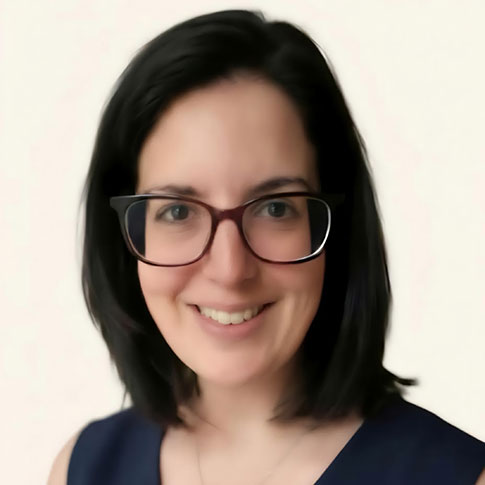
Luna Fadayel
Scheme Actuary and Relationship Manager
Luna Fadayel
Scheme Actuary and Relationship Manager
Podcast guests
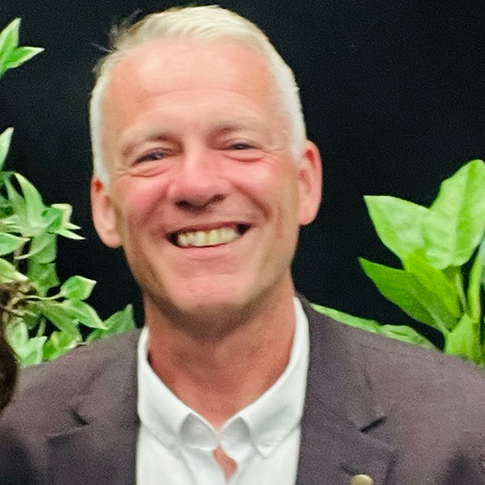
David Walmsley
Director of Trusteeship, Administration and DB regulation, The Pensions Regulator
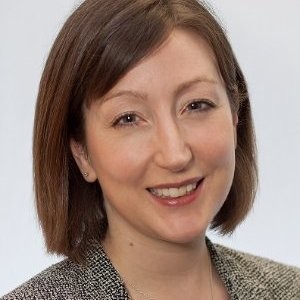
Jenny Gibbons
Head of Pensions Governance Consulting
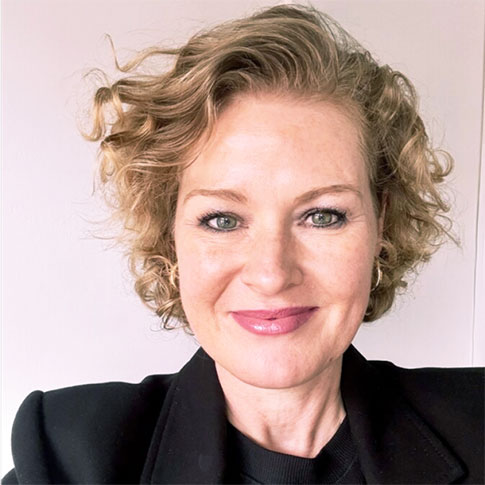
Hazel Kendrick
Head of Strategic Relationships, Retirement
David Walmsley
Director of Trusteeship, Administration and DB regulation, The Pensions Regulator
Jenny Gibbons
Head of Pensions Governance Consulting
Hazel Kendrick
Head of Strategic Relationships, Retirement
Disclaimer
This podcast takes into account information available to WTW at the date of recording and takes no account of developments after that date. WTW provides no guarantee as to the accuracy or completeness of any information contained in this podcast and WTW and its affiliates and their respective directors, officers and employees accept no responsibility for any of the content.
The views expressed by any hosts and guests are their own and may not reflect those of their employers or affiliated organizations.
All content, including audio, branding, and any associated materials, is protected under applicable copyright laws. Unauthorized use, reproduction, or distribution of this content is prohibited without prior written consent.
Copyright © 2026 WTW. All rights reserved.