Is pensions leading the way when it comes to supporting women in building successful careers? Harsimar Atwal is joined by Heather Boucher, Scheme Actuary at WTW, and Becky Wood, Professional Trustee at Vidett, to reflect on how the industry has changed during their careers and where there is still progress to be made.
Podcast host

Harsimar Atwal
Director
Podcast guests
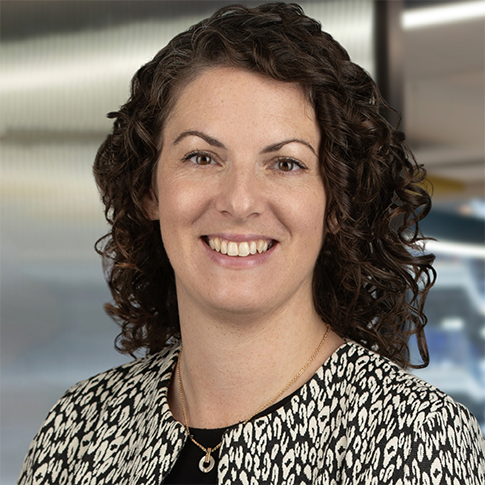
Heather Boucher
Senior Director
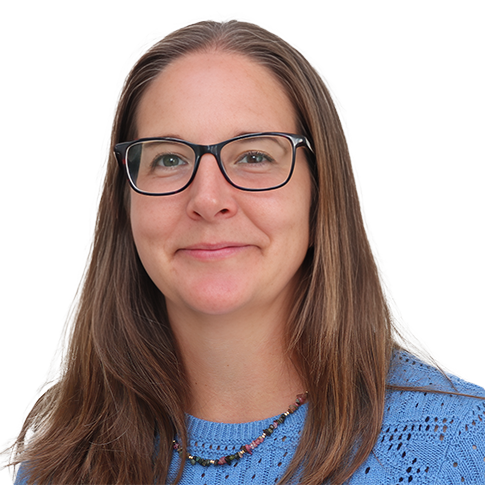
Becky Wood
Client Director, Vidett
Disclaimer
This podcast takes into account information available to WTW at the date of recording and takes no account of developments after that date. WTW provides no guarantee as to the accuracy or completeness of any information contained in this podcast and WTW and its affiliates and their respective directors, officers and employees accept no responsibility for any of the content.
The views expressed by any hosts and guests are their own and may not reflect those of their employers or affiliated organizations.
All content, including audio, branding, and any associated materials, is protected under applicable copyright laws. Unauthorized use, reproduction, or distribution of this content is prohibited without prior written consent.
Copyright © 2026 WTW. All rights reserved.
Transcript for this episode
HARSIMAR ATWAL: Hello. And welcome back to this episode of The Pensions Perspectives Podcast brought to you by WTW. I'm Harsimar Atwal, and I'm your host for today. And today I'm joined by Heather Boucher from our scheme actuary team and Becky Wood at Vidett. Thank you both for joining.
BECKY WOOD: Thanks for having us.
HEATHER BOUCHER: Thank you.
HARSIMAR ATWAL: We're going to be talking about women in pensions today. And before we get into that, do you mind just taking a few seconds to explain to our listeners what it is that you do.
HEATHER BOUCHER: Sure. So I work in our actuarial team. I'm a scheme actuary to medium and large size DB schemes.
BECKY WOOD: And I'm a professional trustee. And I also head up our endgame solutions team.
HARSIMAR ATWAL: OK. So, the topic of women in pensions is something that as three women start here in pensions, it's something that's relevant for all of us. And it's come up a lot more recently in literature around the industry. Articles being written around women being more successful in the pensions industry in comparison to the wider financial services.
And so in this episode, I'd like for us to spend a bit of time understanding and explaining if that resonates with us out here and what could be some of the reasons behind that, any tips, tricks you might have for other women in the industry building their career, and how a successful career in pensions is formed. So to go back to the beginning, how did you find your way into pensions? I don't think anyone kind of grows up dreaming to be a scheme actuary, but here we all are. Becky, how did you find your way into pensions?
BECKY WOOD: So I definitely fell into pensions. I did a law degree, and at the start of my law degree, I thought, yes, that's what I want to be. I want to be a lawyer. And then partway through I thought, no, I don't want any more. And then towards the end of my law degree, I then changed my mind again and thought, no, I do, but I'd left it too late to apply for training contracts.
So I wrote to lots of different firms. It was back when you used to get a letter and actually go and post them. And I got offered a job within a firm, and got offered a training contract where they specialize in pensions. So that's how I ended up in pensions law. And then worked at different firms, and I decided I wanted to change. And I got offered a job to be a professional trustee. I didn't know what it entailed at the time, but I said, yes, and I moved into that. And I've been doing it about 12, 13 years now.
HARSIMAR ATWAL: Fantastic. Thank you. Something that's come out in these articles that we've been reading is that there's a bit more of a purpose-led attraction to pensions. Heather, is that something that resonates with you?
HEATHER BOUCHER: It is actually. Yeah. So when I decided that I wanted to go into actuarial work, having done a maths degree, I was really having to choose between a pension-- the pensions industry or the insurance industry. And at the time-- this is pre a-day, so pre the pension protection fund, and there was at the time in the news people marching on parliament because they just lost their pension entitlements because their companies had gone bust.
And so it felt like a really important issue, something that was really affecting the everyday person. So I just thought that's going to be more interesting and more important. So that's the pensions industry was the way I wanted to go. 20 plus years later, I'm still here.
HARSIMAR ATWAL: That feels a bit more intentional, whereas Becky you're saying you felt. So where you've fallen into pensions, what's kept you here?
BECKY WOOD: So I think professional trusteeship really suits me. It is member focused, like Heather just talked about. But, no day is the same as the next. Everything's really different. You're working on multiple schemes with multiple different problems. It can be technical, it can be fast paced. So I think it just really suits me.
HARSIMAR ATWAL: Something that was coming out in the articles was that pensions is progressing faster than the rest of the financial services industry. So if you think back to when you started out in your careers and where you are now, have you noticed that change? Has it progressed?
HEATHER BOUCHER: In terms of women's representation?
HARSIMAR ATWAL: Exactly.
HEATHER BOUCHER: I think it has. When I first started, I feel like it was a very male dominated industry, not very diverse industry, particularly at the senior levels. I think the graduate level, it was probably fairly even, but there wasn't the senior female role models that I would have liked to have seen that I think there are today. I think that's changed.
And, actually, I think the growth of the professional trustee firms has really helped that in terms of trustee boards, traditionally quite male dominated, actually. I think there's quite a lot of female independent professional trustees who are helping to bring that diversity into trustee boards, which then it spirals because you see senior females in these roles and it gives you the knowledge that you can be in those positions as well.
HARSIMAR ATWAL: Would you agree with that, Becky? Has that been your observation of the industry?
BECKY WOOD: Yeah, definitely. When I first started in professional trusteeship, I did find that I would be going to trustee meetings-- and I went to a lot of trustee meetings-- and I could be easily the youngest that was there on the board, and a lot of the time the only female there that was there on the board as well.
And there was situations where behaviors it felt were happened due to possibly my age, possibly my gender, I don't know. But I think there's been a real positive shift for a number of reasons. So I think now if you look at where we are 12, 13 years on, as Heather talks about, a lot of professional trustee firms have a lot of female professional trustees. And you look at the makeup of trustee boards as well, you've got younger people on them, you've got females, and you've got people with different backgrounds. So I think there's been a big shift, and I think it's been really positive.
HARSIMAR ATWAL: In building your career around pensions, pensions is often considered a more family friendly version of having a traditional city job. How important is flexibility been for you?
BECKY WOOD: I think with my role, so starting in a law firm, it was as law firms were back when I was there, which they weren't very flexible. When I had my son, there was some flexibility there in terms of the change of working hours. I didn't move into professional trusteeship because I thought, this is going to be a lot more flexible than the job I've got at the moment. It was a change, and I went into professional trusteeship for that change.
It just so happened as part of that role, it was more flexible that I wasn't having to commute into the office every day because I was based from home. I was having to travel to meetings. And because I was working for a smaller firm, it was just more family friendly and it just happened to be like that. And then over time, with professional trusteeship and I think just generally in pensions, we've had COVID and things have just happened to get more flexible, which does make things easier when you've got a family.
HARSIMAR ATWAL: Yeah. Careers are often considered as this kind of continuous upward trajectory of success and promotions, and your career just goes and goes but in reality, that's not the case for most people, let alone most women. There's lots of different reasons why your career might plateau temporarily throughout your experience. It could be looking after an elderly member of your family or illness or pursuing your professional qualifications, starting a family. Heather, how has your perspective on career progression changed over time?
HEATHER BOUCHER: So I think I started my career as probably a lot of people do, thinking I'm going to keep progressing up the ranks, and that was very important to me. It still is important to me, but I have different motivations now as well in terms of my wider life. I've got three children at home. I work part time as a result to enable me to balance looking after them and building my career.
I think realistically that does have an impact in terms of rate of career progression. That said, I did get promoted whilst on maternity leave with my second child, so it doesn't necessarily have to. I think it's probably just more for me. And my priorities have shifted temporarily, but I don't see that as a problem.
I work with a number of senior females who actually their children are now at university, and so they're past that very time intense child rearing stage, and they are able to throw themselves fully back into work again-- lots of the networking that is a bit difficult for me to do at the moment-- and take on leadership roles. So their careers are able to accelerate again. So I think the flexibility to take your career at your own pace is hugely valuable for women, certainly for me.
HARSIMAR ATWAL: Yeah. And beyond that flexibility, just the environment that we work in in the pensions industry, I think it's considered to be a little bit less aggressive than the wider financial industry. Against that background, is hard work alone enough or is self-advocacy and confidence, how do those things kind of balance out?
BECKY WOOD: I think that hard work probably isn't enough. I think that's probably the same in many areas of whether it's finance or a different sector, I think it is important that people are able to advocate for themselves because that's part of our job, isn't it? To do that as well.
I mean, personally, that's one of the things that I find more difficult. And I do find other females-- I'm not saying it's all females-- can maybe find that more difficult. But then I think there's a role there for others to help people where maybe they do struggle with that.
HARSIMAR ATWAL: Yeah. And what role have others played in your careers? What examples do you have of other people, men or women, advocating for you or supporting you in your career?
HEATHER BOUCHER: I've been very fortunate to have a female manager who I've worked with for a long period of time now. And she's always championed me, always given me that push to try something different, take on a new role when, if I'm honest, I'm probably thinking that I perhaps couldn't do it or wouldn't want to do it.
And more recently, I work with a senior colleague, male, and it's exactly the same. He's similarly really interested and focused on my career development, which has giving me that push. And I would love to be able to do it myself, and I think I am better at it, but there's still an element of uncertainty. So I think having those champions makes a big difference.
HARSIMAR ATWAL: I guess a way to do it yourself is to pay that forward, and then doing it on behalf of other junior colleagues as they come up. Becky, has there been anyone in your career that you could point to as an example of really strong sponsorship?
BECKY WOOD: There has been. And that person is male. And it's the person who employed me when I first went into professional trusteeship. And he's somebody who I can always reach out to for guidance even now my career has progressed further on. He will always say he'll offer me some guidance, and then when I go back and tell him that it was right, he will always say, well, I told you that's how it turned out every time. So I think it just shows that I think the key is having just somebody there.
HARSIMAR ATWAL: Yeah. Somebody to kind of almost like a sounding board because I think in lots of these cases, we know the answer or we've got an idea about what the right answer might be, but it's just having someone to test that against and talk it through and understand it can be really helpful. I know definitely in my career, there's been countless examples of men and women who have supported me and helped me, and continue to do so. So, yeah, it's nice to hear that that's happening across our industry.
HEATHER BOUCHER: I don't think imposter syndrome is a solely female thing either. I think there's junior male colleagues who would benefit from the same championing that certainly I've benefited from.
HARSIMAR ATWAL: Obviously we work in pensions and we have mentorship, and that's a very prominent conversation at WTW. I'm sure at Vedett as well there's these programs set up. And I think they've been really helpful. I know lots of people internally who have been on a mentorship program either as a mentor or a mentee, and, yeah, found that to be really beneficial.
BECKY WOOD: I do think it is-- I think it is extremely important for there to be something like that for people, particularly where you just talked about imposter syndrome. And it's so common. And if somebody hasn't got that mentor, how are they supposed to actually work their own way through the paths and up the ladder? I think it can be quite difficult and could end up feeling quite alone. And so I think mentorship is, yeah, really key.
HARSIMAR ATWAL: And something I hear is that imposter syndrome doesn't ever really go away. It's just you're put into a newer environment and a more senior environment, perhaps, and then you get a new wave of imposter syndrome. So, has that been your experience? Is that real? Are the rumors true?
BECKY WOOD: I think it's real. And I think it's more that I suppose as you get more senior, you're supposed to have more confidence in yourself, so you've got to get better at hiding that you might have imposter syndrome.
HARSIMAR ATWAL: Yeah.
HEATHER BOUCHER: Although, equally, some of our most senior leaders within our team have admitted to still having imposter syndrome. And, actually, I think that's hugely powerful to know that you can have that and other insecurities and still reach the top levels of your career. It's a human reaction and we're all human and--
HARSIMAR ATWAL: Yeah, it's really helpful to hear that. So we have the Women in Pensions Awards next week, which is-- it's a fantastic evening. It's a really good opportunity to celebrate all of the hard work and success that the women in our industry have achieved over the last year. And, Becky, you were the winner of the Trustee of the Year Award last year. Do you mind just telling our listeners a little bit about that experience and what that was like for you?
BECKY WOOD: Yeah. Well, I was obviously really pleased to win it. I didn't expect to but that's me. So if you asked me about anything like that, I'll always say that I wouldn't expect to win something. But I actually got nominated the two years before as well. So the first year I didn't enter was because I felt that I wouldn't win it anyway, so there was no point. And then the year after work was just really busy. It coincided with our conference, and so I just didn't have time to enter.
And then when I did win it, I'd got to that point where I thought, actually, if I do enter this time, hopefully I have got a possibility of winning it. And as I said, it was excellent to win it as well. I think there was a bit of we've talked about already, the imposter syndrome type thing is that you feel that you won't be able to achieve it and so you put something off. And I think that's probably a really good example of where that's actually happened for me.
HARSIMAR ATWAL: And then at the end of it you did win it. And probably if you'd entered the two entries before that, you probably had a really good chance of winning it then.
BECKY WOOD: Who knows.
HARSIMAR ATWAL: But, yeah--
HEATHER BOUCHER: It's a tough competition though. It's amazing.
HARSIMAR ATWAL: Yeah, we're very lucky. Well, yeah, congratulations because that is, yeah, a huge achievement and really important recognition in our industry. It's been really beneficial to talk about your experiences and how your careers have progressed and what you've seen change in the industry, but I don't think anyone's saying that it's absolutely perfect. There's still, obviously, progress to be made. What does that process look like to you?
BECKY WOOD: So I think if we think back to where things were even 10 years ago to where they are now, I think there's been massive progress. I think there's been the regulator as an example, bringing out guidance in relation to diversity. I think that was huge progress.
So that trusty bars are then required to have a look at the bars and think about whether there was diversity within the board. And I think that's been really beneficial, and it's moved us away from just a bar that might have been older white males to now a kind of a board which has got different people, different diversity of thought, which I think is really important, different backgrounds.
So, I think that kind of guidance just kind of brought it to the forefront. But I then just think generally things have just started to shift anyway with regard to women and with regard to their careers and the roles and pensions and just generally. So I think it's just continuing as we are.
And I also think what's really important as well is that we also need to recognize-- and this is for both men and women-- that we have lives outside of work and we all have different responsibilities, and we need to appreciate that too when we're thinking about their careers and supporting them through their careers.
HEATHER BOUCHER: I hope that we don't go backwards in terms of the flexibility that we've got in this industry, because I just think it's hugely important. And as Becky says, it's not just a female thing. It's everybody's got a life outside of work and will need that flexibility at some point in time. So, yeah, it's hugely important.
HARSIMAR ATWAL: Thank you both for sharing your perspectives, your experiences, your advice. That's been really helpful. And before I let you go, if I could ask if you were to give advice to another female colleague, perhaps somebody more junior starting off in their career, what advice would you give them for success?
HEATHER BOUCHER: I've probably got two. One would be ask all the questions while you can. It's a lot easier to ask them when you first start out than it is at this point, even though I still have some. And the second would be you've got a voice, it's an important voice so use it. And you genuinely see better outcomes than decisions made when there's a diversity of opinions in the room. And the sooner that your opinions are shared, the better outcomes for everyone.
HARSIMAR ATWAL: That's great advice. Thank you. Becky, what advice would you give for junior colleagues?
BECKY WOOD: My advice is quite simple, and it's just to believe in yourself, to aim high. And don't stop the fact that you might have family or other commitments outside of work stop you from aiming as high as you want to go.
HARSIMAR ATWAL: OK, that's such good advice. Thank you both. And thank you for joining me for this conversation. That's been brilliant.
HEATHER BOUCHER: It's been fun.
BECKY WOOD: Thank you.
HEATHER BOUCHER: Thank you.
HARSIMAR ATWAL: Thank you for joining us for this episode. And good luck to all of the women nominated at the Women in Pensions Awards next week. If you've enjoyed this episode, please subscribe wherever you get your podcasts. Thank you.
[THEME MUSIC]
Thanks for listening. This podcast is for information purposes only and does not constitute financial advice. The views expressed by any hosts and guests are their own and may not reflect those of their employers or affiliated organizations. All content is protected by copyright