What is El Niño?
El Niño is a climate phenomenon that causes unusually high temperatures to develop in the tropical Pacific alongside changes in atmospheric circulation that can disrupt weather patterns around the world.
During El Niño, the trade winds that normally blow east to west across the Pacific weaken. Warm water shifts eastwards, which releases heat and moisture into the atmosphere .
This can lead to hotter, drier weather in some regions and wetter conditions in others. El Niño events typically start between March-June and peak towards the end of the year.
Is it already happening?
Yes. The U.S. National Oceanic and Atmospheric Administration (NOAA) officially declared the current El Niño in June 2026[1].
The latest NOAA assessment, issued in August, states that El Niño is expected to continue into 2027[2].
Why might this be a ‘Super El Niño’?
An El Niño is classified as very strong when sea surface temperatures increase by more than 2°C above the long term average. This has already happened in parts of the eastern tropical Pacific.
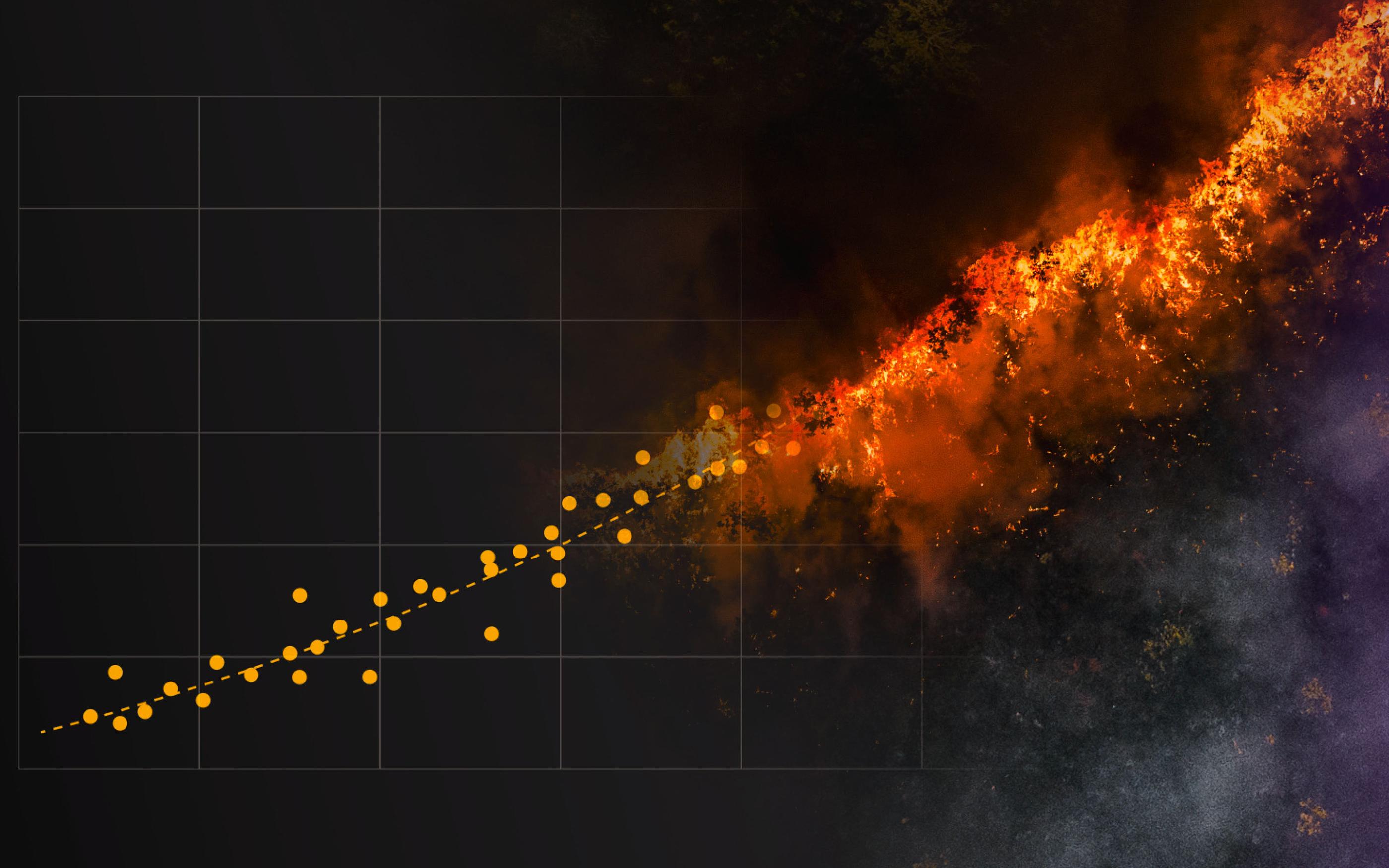
In June 2026, NOAA forecast a 63% chance of a very strong El Niño between November 2026 and January 2027. Its latest August forecast has increased that probability to more than 90%. [2]
90% chance that this El Niño will be a very strong event, based on changes already observed in the Pacific.
The combination of a strong El Niño and warmer ocean temperatures due to climate change could increase the potential for severe impacts in some regions, although the effect varies by hazard and location.
What are the possible impacts?
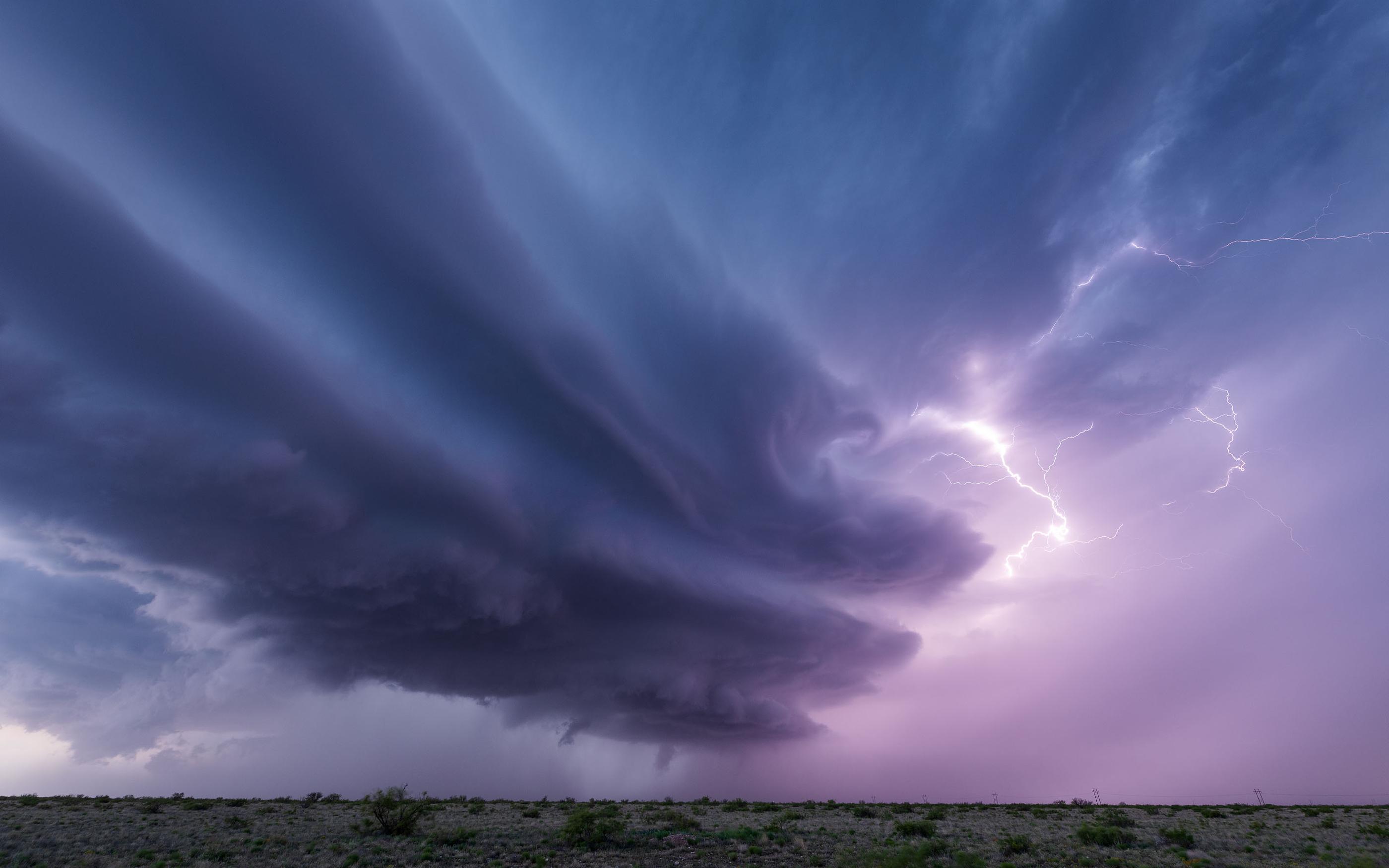
A strong El Niño increases the likelihood of extreme weather events. It does not mean they will definitely happen or be more severe than during other El Niño events.
Some of the possible impacts include:
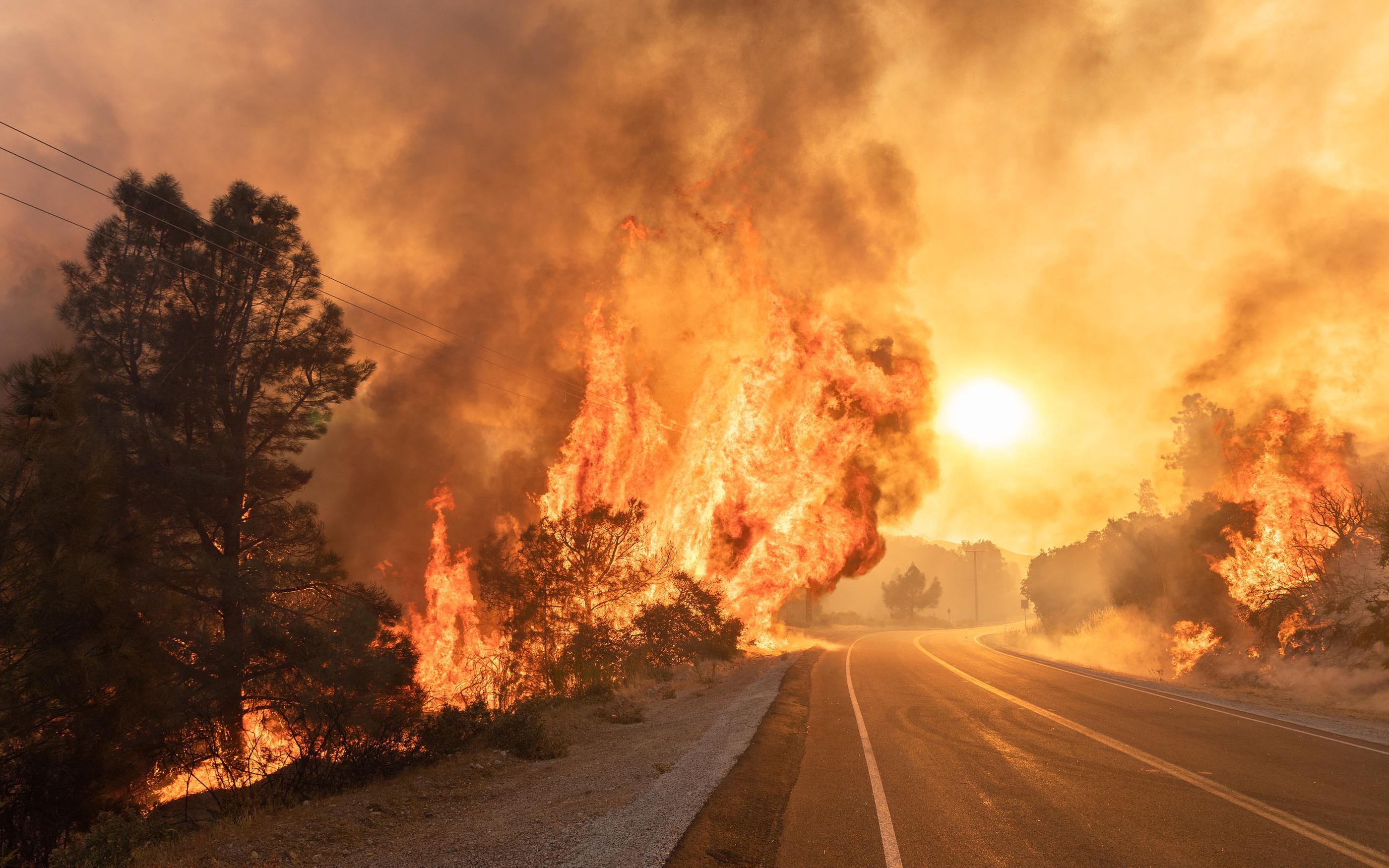
- Asia-Pacific: Reduction in Monsoon rains; risk of drought in parts of southeast Asia, potentially increasing wildfire risk; greater risk of typhoons in east Asia.
- North America: Higher rainfall and flood risk in parts of the southern U.S.; warmer, drier conditions in the Pacific Northwest and Canada, with possible wildfire risk; increased risk of Pacific hurricanes.
- Australia: Greater risk of droughts and wildfires in some areas, particularly in the east and north.
- South America: Increased rainfall and flood risk in parts of the Pacific coast; risk of drought and wildfire in north and central South America, including the Amazon region.
- Europe: Possible increase in seasonal rainfall and more severe convective storms in southern Europe.
- Africa: Risk of increased rainfall and flood in parts of east Africa and droughts in parts of southern Africa.
How will it affect business?
Any business with operations or dependencies in an affected region can experience damage or disruption. Direct physical risks include damage to property and infrastructure from flooding, wildfire and storms.
Indirect risks can include supplier disruption, transport delays, reduced water availability and interruptions to electricity supply.
Heatwaves and droughts can drive demand for cooling, putting additional pressure on electricity grids, while drought can reduce hydroelectric power generation and water availability for industrial processes.
Floods or droughts in key agricultural regions can affect production of crops such as coffee and rice, which can affect quality, create shortages and push up food prices.
What can you do to prepare?
Businesses should consider impacts across their value chain, rather than just individual sites. Factor El Niño into your risk management strategy for the coming year. Reassess your exposures and consider how different scenarios could affect your assets, operations and supply chains.
- Keep up with the news: Monitor official El Niño updates, weather alerts and long range forecasting for all of your sites and supplier locations.
- Map your dependencies: Identify critical suppliers, facilities, transport routes, utilities and commodities that could be affected by drought, flooding, wildfire, storms or water shortages.
- Update business continuity and resilience plans: Plan for events on this scale happening now rather than some time in the future. Stress-test how long your business could operate if a critical site, supplier, transport route or utility service were unavailable.
- Review your risk profile: Use catastrophe modeling to quantify the potential impacts of natural catastrophes and then refine with information on specific vulnerabilities and dependencies across your assets, operations and value chain to get a more accurate picture.
- Assess your mitigation options: Consult with natural catastrophe professionals to assess your business resilience and mitigation options and identify practical measures that could reduce physical damage, business interruption and supply-chain disruption.
- Review your insurance: Check whether your property damage, business interruption and contingent business interruption policies meet your exposures. Review limits, deductibles, waiting periods and relevant exclusions.
Each El Niño is different, with varying impacts. The last strong event in 2015/16 led to[3]:
- 16 tropical cyclones in the Central Pacific, three times the average.
- 15% reduction in Indian Monsoon rainfall[4].
- 500-year drought in the Caribbean.
- Severe drought and lost crops in Ethiopia.
- Huge forest fires in Indonesia, causing an air pollution and health emergency.
How Willis can help
Your risks and exposures will differ widely depending on your operations, dependencies and locations. Your local Willis broker can help you identify vulnerabilities, model potential impacts and assess your specific risks correctly.
We can connect you with powerful catastrophe analytics, as well as risk consultants and engineers who can advise on how to mitigate exposures and make sure your insurance policies are fit for purpose.
Get in touch
Talk to us to find out more about the likely impact of El Niño and how to protect your business.
Footnotes
- El Nino forms, expected to strengthen, say NOAA forecasters. Return to article
- NOAA: ENSO Recent Evolution, Current Status and Predictions August 2026. Return to article
- 2015 State of the Climate: El Niño came, saw, and conquered . Return to article
- El Niño 2015/2016 impact analysis, monthly outlook November 2015. Return to article
Contacts