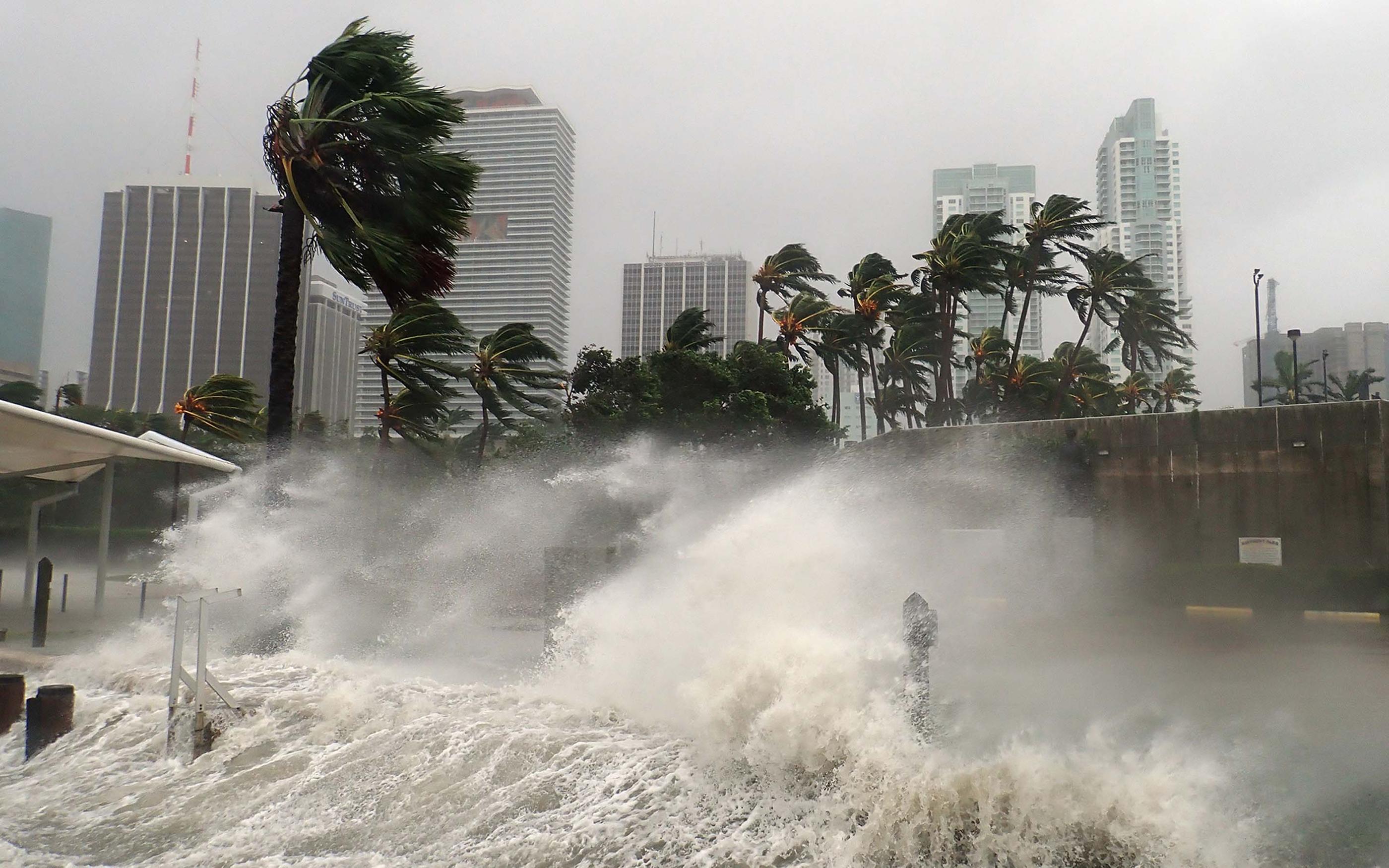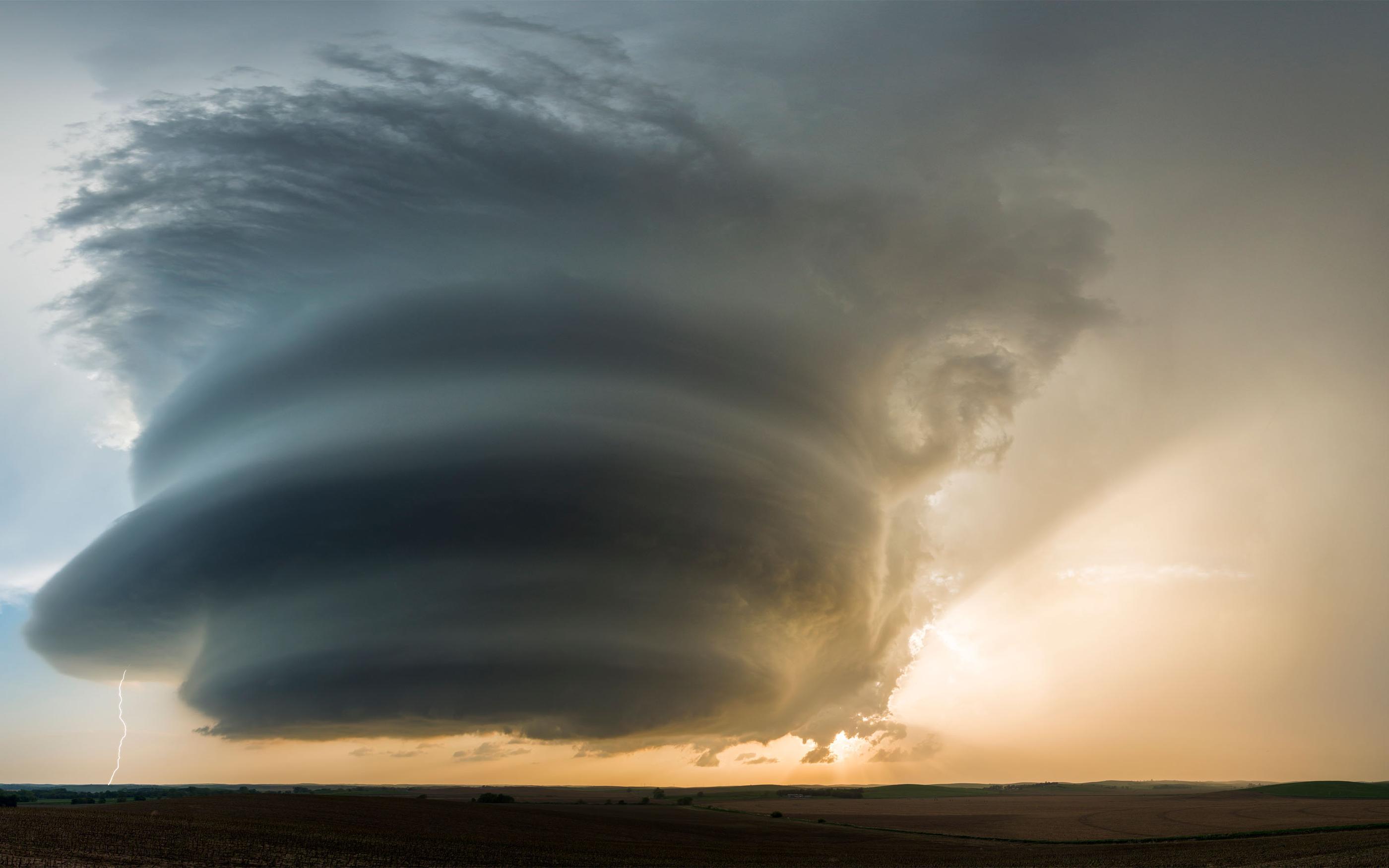
As global temperatures rise, we are likely to see more of the most severe storms, including tropical cyclones and hurricanes and extra-tropical storms in the higher latitudes of the Atlantic and Pacific Oceans.
Factors which could drive an increase include:
- Higher sea surface temperatures bringing tropical cyclones and hurricanes to higher latitudes
- A warmer atmosphere holding more water, increasing the intensity of rainfall
- Sea level rise increasing the risk of coastal flooding from storm surge
- More heat in the oceans causing storms of increased intensity
These changes will make it harder for you to assess your organization’s level of windstorm risk, decide what mitigations to put in place or how much insurance to buy.
As well as the damage to physical assets, windstorms can also disrupt business operations and value chains, posing financial risks that extend beyond the location of the hazard.
Our natural catastrophe specialists can help your organization understand the risks it faces and prepare for the potential impact.

How we can help you address windstorm risk
Our risk consultants and analytics specialists can help your organization navigate the shifting risk landscape and focus your resources on the actions that will make the greatest difference in protecting your assets and balance sheet from tropical cyclones, hurricanes, typhoons, and extra-tropical storms.
Hazard assessments
With hazard mapping tools such as WTW’s Global Peril Diagnostic, we can identify whether a specific location is at risk from windstorms, based on accurate geolocation information and up to date storm data.
From this and a further detailed hazard assessment, including reviewing previous historical windstorms and literature, we are able to understand the hazard in depth and further assess how this will likely impact the site.
Catastrophe modeling
Based on primary information such as latitude and longitude, construction type, and secondary information such as equipment bracing and construction quality, models quantify the probable average annual loss and maximum losses from a portfolio level and at individual locations.
This can help you make better decisions about risk transfer options and insurance limits.
Once your named windstorm risk has been assessed, our natural catastrophe specialists provide WTW’s property brokers with information and support to create the best placements for our clients, either as standalone cover for named windstorm or as part of a global multi-peril program. We also support client programs by helping to reinsure individual layers of risk through our facultative team.
Risk engineering and site surveys
If needed, we can survey a site in person to undertake a more detailed review on roof materials, construction type, number of floors and roof geometry to accurately assess vulnerability and provide a more granular picture of risk and potential losses.
Our risk engineers can identify a range of mitigation options to reduce your risk from windstorms and minimize the impact if one occurs.
They can also perform a cost-benefit analysis of each option to help you decide which measures are best to reduce your risks and provide adaptation recommendations to help increase your resilience to a changing climate.

Parametric solutions for windstorms
Our alternative risk transfer team can help you design unique parametric solutions for named windstorm risks. A set amount is paid when a storm reaches an agreed level at a location, based on measurement of factors such as windspeed or rainfall. There is no lengthy loss adjustment period. Once the measurement is verified, you can receive payment, supporting cash flow in the aftermath of a catastrophe.
Get in touch
Talk to our specialists to discover a smarter way to assess, mitigate, or transfer your named windstorm risks. Get in touch with our specialists listed at the top of this page.
Contacts