Key takeaways
- Parametric insurance pays pre-agreed amounts when measurable event triggers are met, providing certainty without post-loss disagreements or damage assessments.
- Traditional property policies may leave revenue, deductible, waiting-period and resilience costs uninsured, even after damaged assets are repaired.
- Assess premiums and available capacity against broader financial losses, liquidity needs and faster payouts, rather than pricing alone.
- Test basis risk and government backstops for retained losses, then design triggers around quantified economic exposures and cashflow needs.
If you’re trying to protect cash flow, reduce earnings volatility and keep the balance sheet resilient after a major event, you may need to re-evaluate your current insurance program. Does your existing approach leave the business facing too much retained loss? Could alternative risk transfer solutions, such as parametric insurance, play a role in funding balance-sheet impacts that sit outside a traditional property claim?
If you open such discussions, you may hear points of view that pivot back to the familiar; whether that’s the property policies, limits and structures the business has been content to roll over year after year, or the assurance of long-standing insurer relationships.
But as a CFO or treasurer, you may have a broader focus than those directly responsible for buying insurance, one that considers the wider impacts of natural catastrophes and adverse weather on financial performance. And should traditional cover risk leaving the business facing uninsured losses or unexpectedly high costs, you may need to challenge the status quo.
Should traditional cover risk leaving the business facing uninsured losses or unexpectedly high costs, you may need to challenge the status quo.
To support more informed conversations around incorporating alternative risk transfer into your insurance program, this article unpacks some of the common misconceptions around parametric insurance. We cover:
- Parametric insurance is a gamble we shouldn’t fund
- We don’t need to think about parametrics – we’re covered by our property policy
- We shouldn’t consider parametric insurance – it’s expensive
- We can’t consider parametric insurance because there isn’t enough capacity
- The basis risk of parametric insurance is too high
- We don’t need to consider parametrics – we’ve got a government backstop
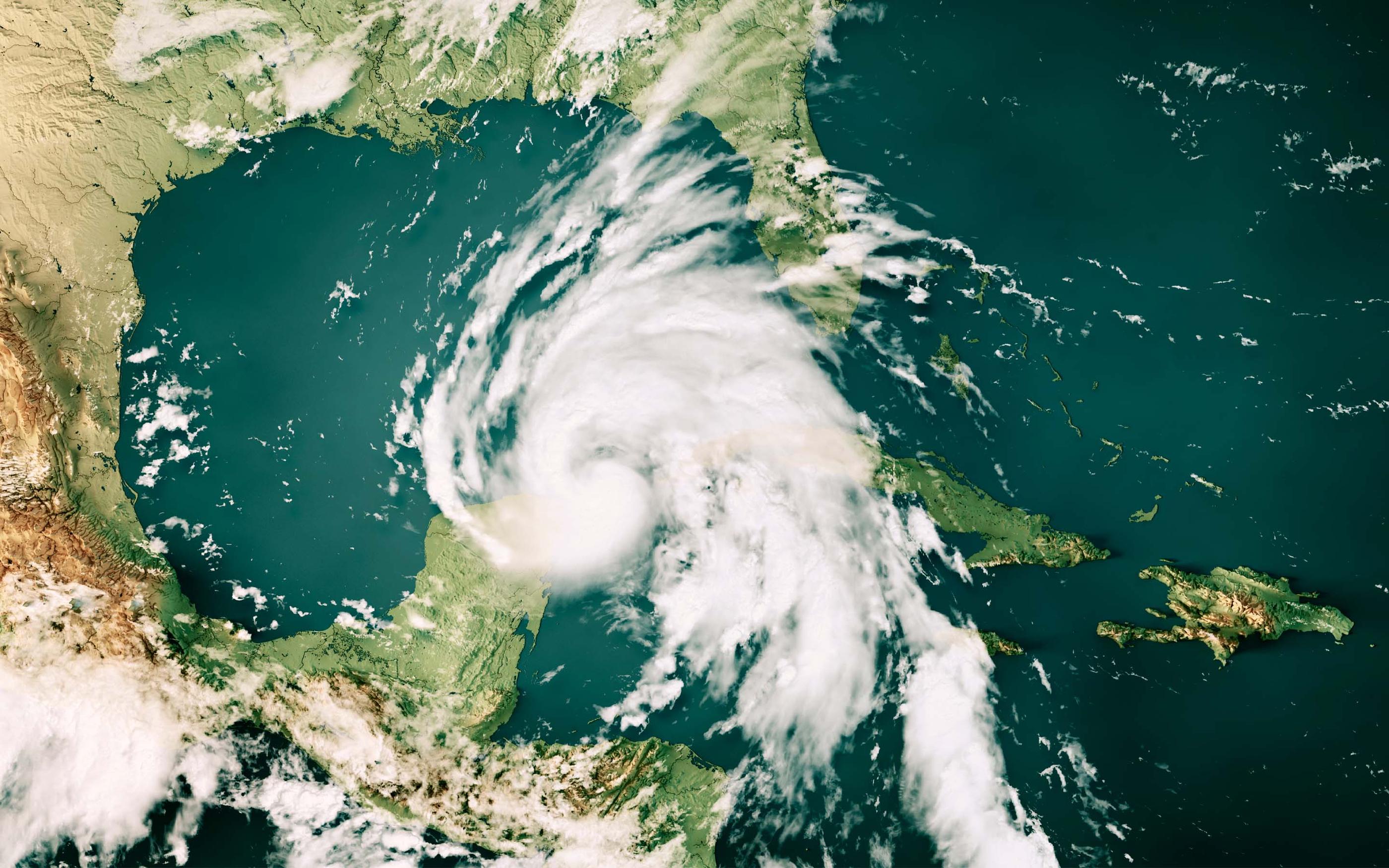
Economic losses following a major natural catastrophe extend far beyond the cost of reinstating damaged assets and many of these losses may not be covered by a standard property policy.
Parametric insurance... can help where a defined event creates immediate financial loss and the business needs faster access to capital than a traditional claim process can provide.
Given that parametric insurance pays when an agreed trigger is met, it is critical that the index and trigger are designed to respond when the business suffers economic loss.
Contact