LONDON, October 2, 2025 — Willis, a business of WTW (NASDAQ:WTW), has announced an innovative parametric policy which is activated automatically when a red weather warning is issued by the UK Met Office or Met Éireann, The Irish National Meteorological Service. This has been designed in collaboration with Swiss Re Corporate Solutions, who will act as the insurer.
Weather can be unpredictable and dangerous, posing risks to lives and property. National meteorological offices help to mitigate these risks by issuing colour-coded warnings (yellow, amber/orange or red) to alert the public and organisations about impending severe weather and its potential impacts.
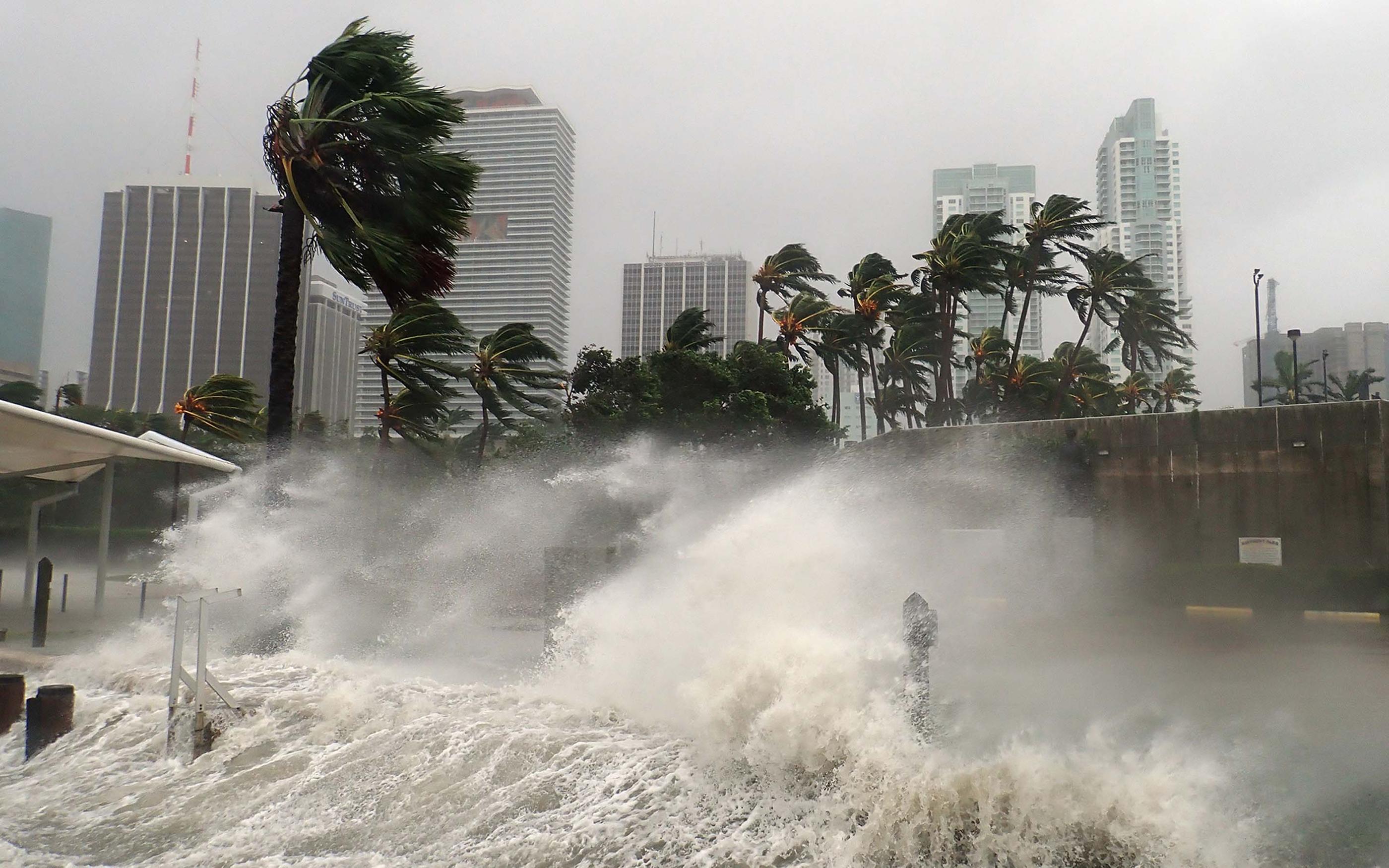
The Met Office and Met Éireann reserve the issuing of Red Weather Warnings for the most severe weather which represents high risk to life, damage to property and substantial disruption to travel expected. For example, in January 2025, a red weather warning was issued for Storm Éowyn, which ultimately affected large areas of the UK and Ireland. Windspeeds peaked at 114 mph causing significant impacts in terms of damage to property, widespread power outages and severe travel disruption. Insurance claims in Ireland reached over €240 million, with a large portion coming from commercial properties.
In many cases, the weather warnings themselves trigger specific actions on the part of organisations to mitigate the impacts of the anticipated event, which have a financial impact irrespective of the occurrence of the event itself.
As traditional insurance policies typically respond to the physical damage impacts of weather events such as storms and floods, they do not cover the cost of the pre-emptive action taken following the issuance of weather warnings.
What distinguishes this new Willis parametric policy as a market-first is that the event triggering coverage is not an actual weather occurrence or its resulting damages, but the weather warning itself. Forecasted conditions - typically high winds and rain in the UK and Ireland but also snow and ice - serve as the defining event for policy activation. Simply put, “the forecast is the event”.
Such a policy structure has broad application, particularly across the hospitality sector, where events are cancelled or facilities are electively closed to guests as a result of a weather warning, regardless of whether the forecasted weather event actually occurs. The closure has financial implications, especially if it happens over busy periods like weekends or school holidays.
The insured receives a pre-agreed payout that can cover lost revenue and operational costs…even if the event does not manifest itself as was forecast.”Claire WilkinsonManaging Director, Alternative Risk Transfer Solutions, Willis
Claire Wilkinson, Managing Director, Alternative Risk Transfer Solutions, Willis, said: “By triggering the parametric policy on the forecast rather than the event, the insured receives a pre-agreed payout that can cover lost revenue and operational costs due to actions taken in anticipation of weather-related disruption, even if the event does not manifest itself as was forecast. The parametric style of the policy provides a transparent basis of cover, rapid claims settlement and complete flexibility in the use of claims proceeds.”
Nina Arquint, CEO UK & Ireland at Swiss Re Corporate Solutions, said: "We are very pleased with the launch of this innovative solution for our UK- and Ireland-based clients as extreme weather events are increasingly impacting their businesses. I believe this also demonstrates that parametric insurances have established themselves well in the European markets and Swiss Re Corporate Solutions is committed to leveraging its expertise in this space to help close protection gaps."
About WTW
At WTW (NASDAQ: WTW), we provide data-driven, insight-led solutions in the areas of people, risk and capital. Leveraging the global view and local expertise of our colleagues serving 140 countries and markets, we help organisations sharpen their strategy, enhance organisational resilience, motivate their workforce and maximise performance.
Working shoulder to shoulder with our clients, we uncover opportunities for sustainable success - and provide perspective that moves you.