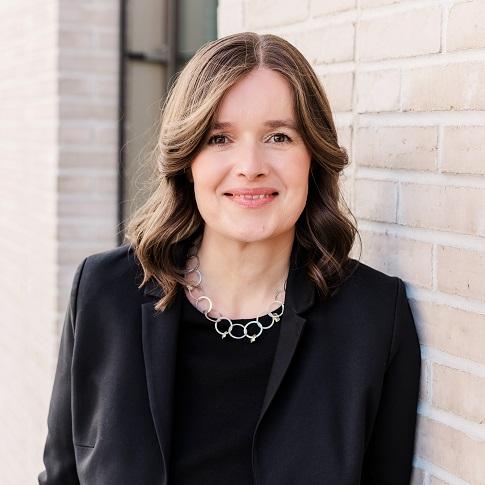
Mr. Urwin, what are the key issues currently occupying the minds of asset portfolio managers?
Roger Urwin: In a nutshell, a lot of managers have a growing angst that the returns coming from markets in the next 5-10 years will be lower than usual. They worry about inflation, trade frictions, fiscal indebtedness, currencies and that markets are trading at high valuations. There is optimism that AI, and technology more broadly, can be an offsetting force, but a lot is riding on the back of this tailwind.
One other notable feature is how the risks of the system are casting a longer shadow over the world generally and markets in particular. We can see this in geopolitical factors, climate change and sustainability, and cyber threats. There are several others, one attracting particular attention is the potential for AI to change into something much darker. These multiple factors are becoming more correlated and can snowball. In my keynote in Frankfurt I spoke of the German word ‚Weltgeschemerz‘ as capturing the mood.
What challenges arise from this for the design and governance of investment strategies in light of pension liabilities?
Roger Urwin: It’s a good question. With so many significant factors in play at present, there is a real premium for investment flexibility. The governance used in funds has done better in the past when baking long-term assumptions into a policy benchmark - the Strategic Asset Allocation (SAA). But this has been difficult to do well and difficult to adapt quickly.
With so many significant factors in play at present, there is a real premium for investment flexibility. ”Roger UrwinThinking Ahead Institute
That has meant that a new investment design has been winning support across the pension and insurance world. This is the Total Portfolio Approach (TPA) that is guided by risk not by a static portfolio. The idea is that this framework and method can align much better with the true underling fund goals and gain the benefits of a well-orchestrated competition for capital.
How can asset managers and asset owners address and overcome these challenges?
Roger Urwin: First, take a look at your methodology. If you see some constraints in the way things work, that will very likely hold performance back. The TPA method by design has no such constraints.
Second, take a look at your biggest risks. These are likely to be in US equities, US dollars and technology comapnies at the moment because the index benchmarks are so full of these. This concentration needs to be checked out. While it can be supported if the manager view of current values and future earnings are positive, investors often use the phrase „priced for perfection“ here.
Third, addressing systemic risk challenges needs to bring out organisational and portfolio resilience. The ideas here include left-tail risk hedging, climate transition integration and systemic stewardship. Perhaps all three have a part to play. And we should add in measurement of risk, these systemic risks have effectively no past and big futures so careful risk assessments are crucial.
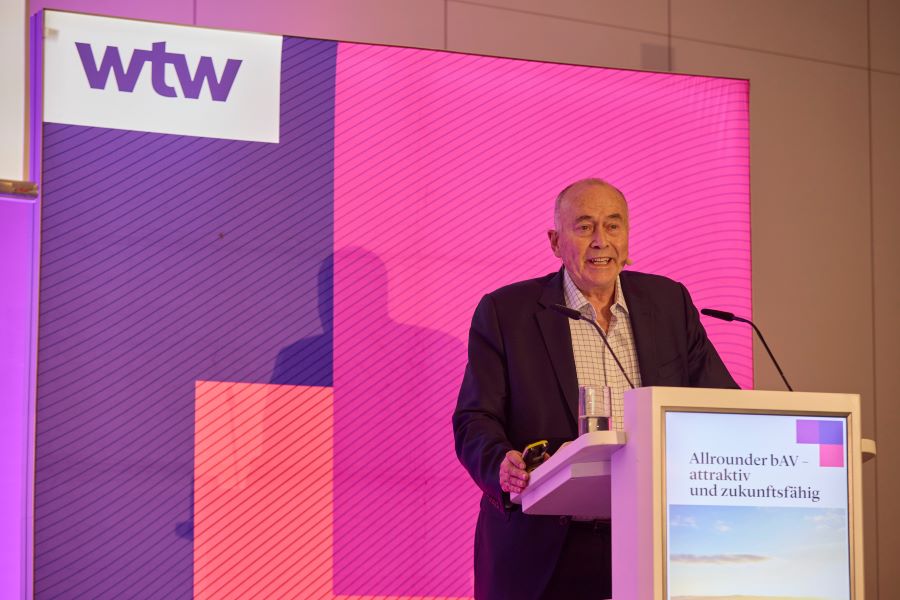
Roger Urwin at bAV-Konferenz 2025
Opening Keynote: "Asset Portfolios and Governance for the Future"
And what kind of mindset do asset managers need to succeed?
Roger Urwin: If we think of ‚Denkweise‘ it requires critical thinking every time. The sort of thinking that relentlessly interrogates facts and figures and reaches solid conclusions. It also requires systems thinking adding breadth to the issues (seeing the whole and its interactions), whereas critical thinking does depth (analyzing details and logic). Both together ensure coverage of rigour and context.
If we think of ‚Mentalitat‘ there is much more sensitivity needed to understand the new forces at work in world trade, where national politics have risen into a prime spot. We can’t trust our ‚same as ever‘ thinking, the future looks ‚different this time‘. We also can’t take previous cultural norms as reliable, the pressure is on both country and corporate actors to behave more selfishly.
But not every institution is falling prey to a self-centred role in the world. Asset managers and asset owners can co-operate in their stewardship actions and produce net benefits to both companies and their stakeholders.
Watch out for systemic stewardship in the 3D investing method (also called system-level investing). This is the concept of managing risk, return and real-world impact in a joined-up way over longer time horizons and by contributing to a sounder environmental and social system as a result which in its turn should produce net performance gains for their funds themselves.
Thank you for the Interview!
The Thinking Ahead Institute was established in January 2015 and is a global not-for-profit investment research and innovation member group made up of engaged institutional asset owners and service providers committed to changing and improving the investment industry for the benefit of the end saver. It has over 55 members around the world and is an outgrowth of WTW Investments’ Thinking Ahead Group, which was set up in 2002.
Kontakt