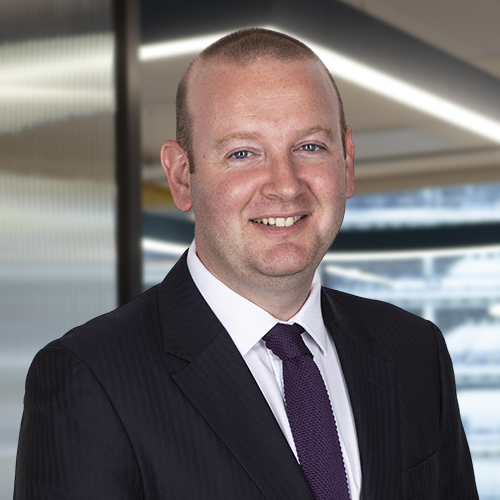
MIRELA DZIHIC: So from a European Casualty perspective, the market remains stable and disciplined. Capacity is available, but pricing and terms are very risk specific. There is a continued focus on severity, long tail exposures, and overall quality of underwriting.
Strong and well-performing placements can achieve stable outcomes but weaker risks and particularly those within the large and complex segments with large US exposures, face pressure. We're also seeing new and selective Casualty reinsurance capacity entering the market
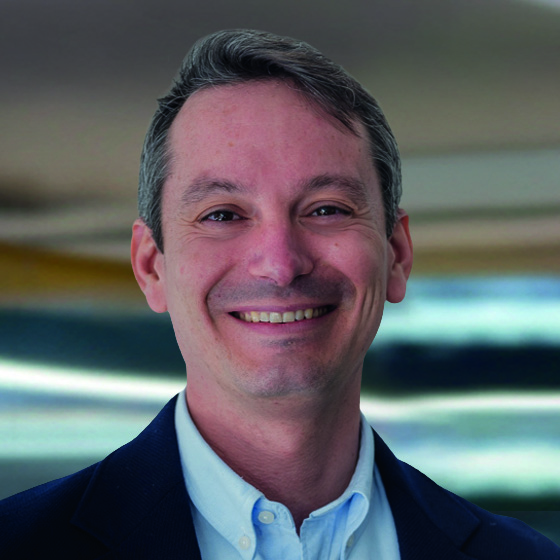
DAVID ROSADO: In the Iberian market, the rating environment is relatively soft, with new markets expanding through new operations, thereby increasing competition for placements. International markets in other regions across the world are pretty open to deploy capacity in Spain and Portugal, which means that cedants can take advantage of this market landscape.
Clients are looking for rate and deductible reductions, as well as tailor made wordings adapted to their specific occupancy. Furthermore, we have recently launched a wholesale placement hub in Madrid as our market is becoming an international hub for Latin America.
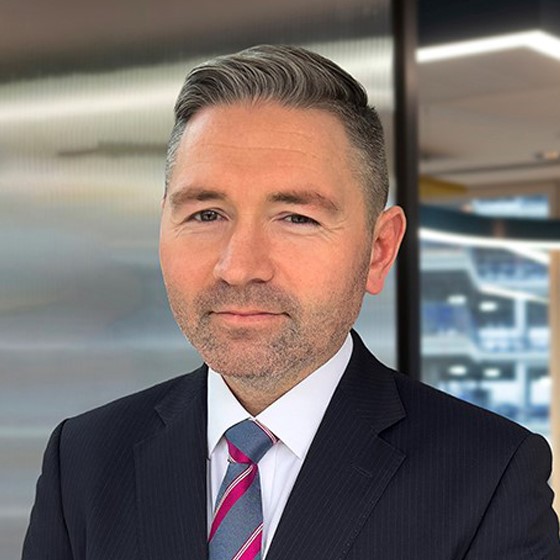
LEIGH WALLACE: The Nordic market is highly competitive, with insurers hungry for growth and the rating environment increasingly challenging. Programs that were slow to be filled last year are now often oversubscribed.
The sophisticated markets are closely reviewing policy wordings to reduce subjectivities, allowing them to present cleaner, more compelling quotes. Speed has also become a critical differentiator, with markets prioritizing early positioning to secure a place on the schematic.
A key Nordic development is the increased focus on leading and fronting, with several programs actively testing the current market appetite. To capitalize on this environment, cedants need to consider how maintaining a robust line size or selectively increasing it, can help them secure or retain the lead. This requires planning and proactive engagement well in advance of the tender process.
MIRELA DZIHIC: Even with Casualty remediation work has been carried out over the last couple of years, the use of Casualty Facultative reinsurance has become more common and increasingly relevant. Facultative is no longer purely a corrective tool or viewed as the last option. It is now used more strategically.
We believe that those cedants that integrate Facultative thoughtfully, within a broader risk and capital strategy are best positioned to stand out in today's market.
DAVID ROSADO: Insurers can capitalize on current market trends and be agile in the ever changing geopolitical landscape by remaining disciplined on underwriting while selectively deploying capacity where pricing terms and conditions remain attractive.
Facultative reinsurance capacity will help them to increase the top line and meet the growth targets. Furthermore, the intelligent use of Facultative is key to maintaining the current position in key programs and at the same time, it's an excellent tool to remain competitive in the challenging market.
When you get one of us, you get all of us. We work as one team across the world, which allows us to deliver the best solution for our clients.
LEIGH WALLACE: Absolutely. We collaborate closely within the Willis team on a daily basis to ensure that we are approaching the right market with the right risk, and by the right broker.
MIRELA DZIHIC: Our cedants have access to a broader and more consistent pool of available reinsurance capacity, while balancing and taking advantage of local market relationships, which we have built over the years. Our global model enables better comparison of market appetite, more effective program structuring, and access to specialist Facultative capacity where needed.