| Trend | Range | |
|---|---|---|
| Non-catastrophe exposed |  |
–15% to –5% |
| Catastrophe exposed |  |
–5% to flat |
Competition continues to drive down rates
Two major forces are shaping today’s competitive commercial property insurance market: Expanding capacity and improved loss performance.
Abundant property capacity continues to fuel aggressive competition, often resulting in substantial premium savings for insureds. Double digit rate reductions remain common, and top-tier accounts with strong loss histories can achieve decreases exceeding 20% when fully marketed.[1]
Simultaneously, the market is beginning to see notable insurer consolidation. Recent examples include Definity’s acquisition of Travelers Canada, Everest Canada’s pending acquisition by Wawanesa and global transactions such as Zurich acquiring Beazley and Sompo acquiring Aspen. It remains to be seen whether this consolidation will ultimately reduce available capacity and temper current competitive pressure.
Improved insurer loss performance is also encouraging insurers to deploy more capacity, with many seeking to maximize their line size on desirable accounts. As a result, property placements are frequently oversubscribed, sometimes by nearly 50%, highlighting just how much capacity is currently chasing quality risks.
Secondary natural catastrophe perils continue to impact the market in Q2 and Q3
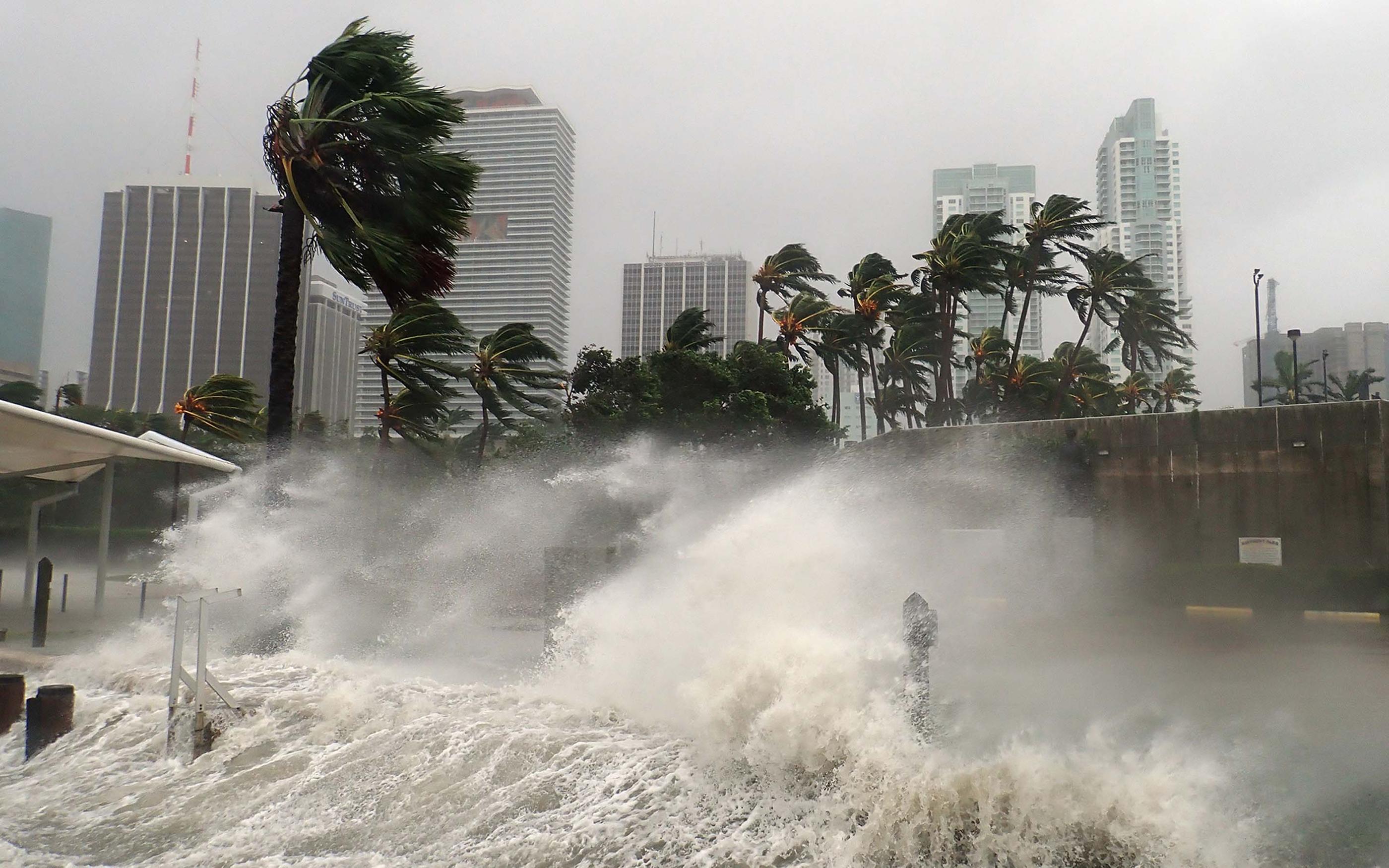
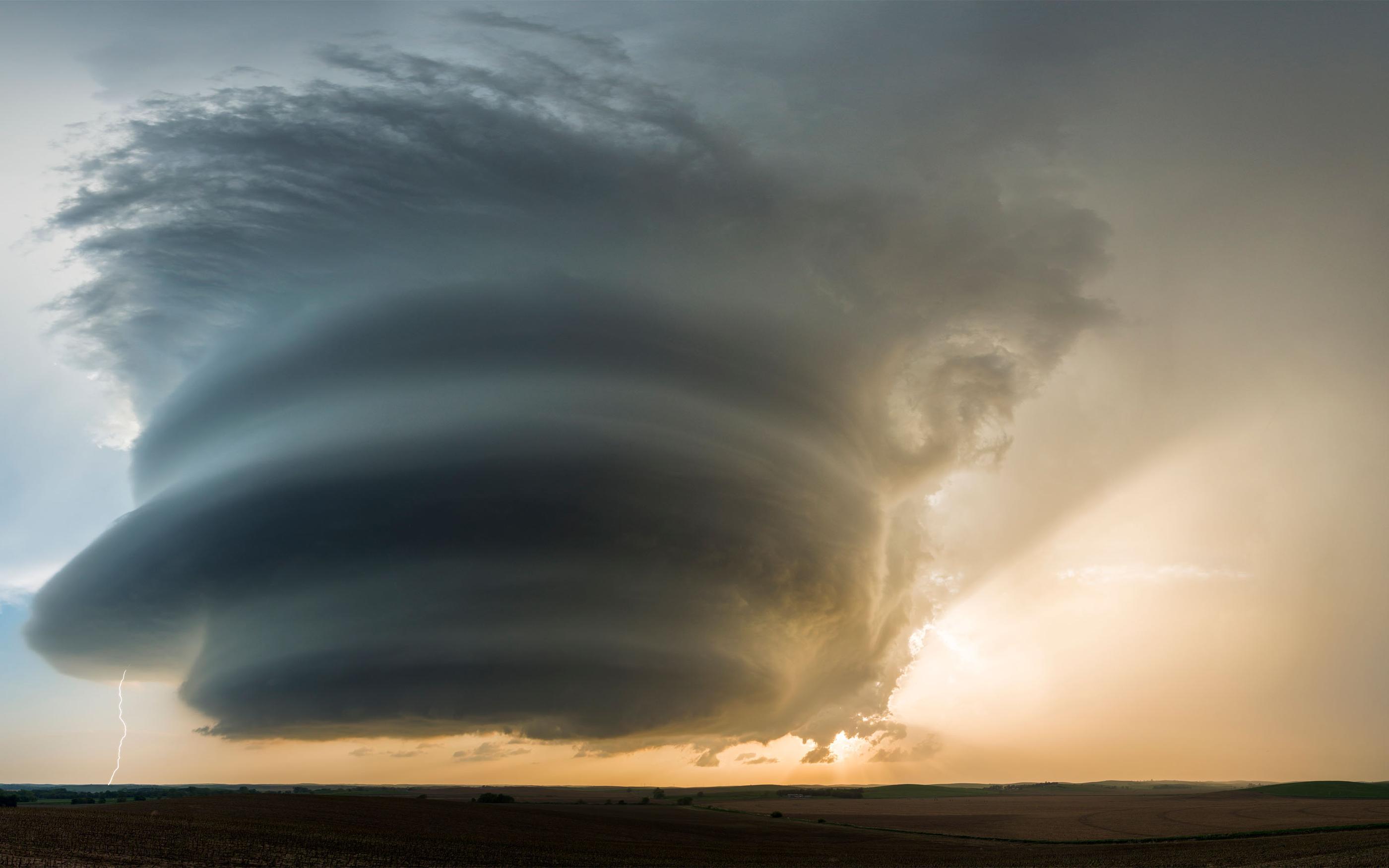
As we move into Q2 and the start of spring, it’s a timely reminder that Q2 and Q3 are the most active periods for natural catastrophe exposure in Canada. Flood risk rises in Q2 as melting snowpack and seasonal rainfall can push rivers beyond their banks. Wildfire season begins in March, with activity intensifying through Q3. Similarly, most convective storm events (hail, wind and severe thunderstorms) occur in Q3, further heightening catastrophe potential.
To date, the personal lines market has absorbed the majority of insured losses from these natural perils, while the commercial market has largely remained insulated from major catastrophe driven impacts.
That said, the risk to commercial insureds remains very real. Clients should continue to assess their exposures in catastrophe prone regions and regularly review limits and coverage to ensure they remain adequate in the face of evolving natural hazard trends. Insureds are encouraged to review their time element provisions to ensure the indemnity period is sufficient to cover the full duration of potential shutdowns following a natural catastrophe. This review should also include related extensions, such as civil authority, ingress/egress and service interruption, to confirm that these coverages are appropriately structured and adequately limit potential exposure.
Insureds should review program terms
Building on the above, insureds should take advantage of the highly competitive market and abundant capacity to reassess limits, sub limits, retentions and policy wording. With additional capacity readily available, increasing limits to more appropriate levels isn't only feasible but often advisable. Brokers play a key role by proactively guiding clients through a review of wording and limits to ensure coverage adequacy and overall program alignment.
Beyond limit adequacy, brokers should work with clients to identify any unfavorable coverage terms that could negatively affect recovery in the event of a loss, coinsurance being a prime example.[2] Over the past five years, insureds have had to evaluate their insurable interests amid significant uncertainty and disruption, driven by pandemics, geopolitical conflict, price volatility and supply chain instability. These factors can materially influence insurable values, making it essential for clients to regularly review their declared values and indemnity periods and understand the risks associated with under‑insurance or insufficient indemnity duration.
Unfavorable terms such as coinsurance can further impact loss settlement. As such, brokers should be advising clients to validate the adequacy of their values ahead of renewal, consider increased limits where appropriate and remove restrictive terms that could hinder recovery following a claim.
Beyond rate relief and improved coverage consistency across the insurer panel, markets are increasingly open to value‑enhancing features such as long‑term rate agreements, no‑claims bonuses, and engineering credits. These options create further opportunities for insureds to capture meaningful program benefits. Insurers are also taking a more holistic view of accounts, often seeking to strengthen their position on the entire account by supporting multiple lines across the broader program.
Footnotes
Disclaimer
WTW hopes you found the general information provided here informative and helpful. The information contained herein is not intended to constitute legal or other professional advice and should not be relied upon in lieu of consultation with your own legal advisors. In the event you would like more information regarding your insurance coverage, please do not hesitate to reach out to us. In North America, WTW offers insurance products through licensed entities, including Willis Towers Watson Northeast, Inc. (in the United States) and Willis Canada Inc. (in Canada).
Contact
Download
Insurance Marketplace Realities 2026 Spring Update
To read more, download the full report below.