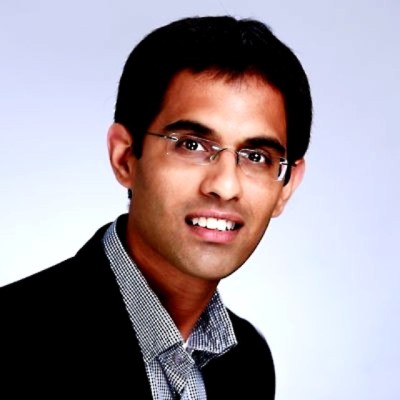
“It's not just about systems, it's about giving the business the tools to make better decisions, innovate and stay competitive.”Poojan ShahSenior Director, Insurance Consulting & Technology
In this episode of (Re)thinking Insurance, host Erika Dochney is joined by expert Poojan Shah to explore how modernizing actuarial operations — through cloud platforms, advanced analytics and centralized data — is reshaping the way life insurers manage M&A, reinsurance and capital decisions. No longer a back-office function, the actuarial team is now at the center of value creation, enabling faster scenario testing, greater transparency and smarter risk strategy. Discover what it takes to move beyond the numbers to proactive business leadership — and why modernization is the competitive advantage insurers can't afford to ignore.
Transcript for this episode
POOJAN SHAH: The actuarial function is evolving into a strategic advisory role. As technology handles more of the mechanics, actuaries will spend more time interpreting results, advising leadership, and shaping risk strategy. So we are seeing actuaries collaborating across finance risk and business teams in ways that were not possible before.
NARRATOR: You're listening to (Re)thinking Insurance, a podcast series from WTW, where we discuss the issues facing P&C, life, and composite insurers around the globe, as well as exploring the latest tools, techniques, and innovations that will help you rethink insurance.
ERIKA DOCHNEY: Hello, and welcome to the latest episode of the (Re)thinking Insurance podcast. My name is Erika Dochney, and I am an associate director at WTW. I'll be your host for today's podcast. Today, we're diving further into a great article that WTW published recently called, "Why modernizing actuarial operations is the next frontier in reinsurance deals." This article focuses on modernizing actuarial operations and how that can improve outcomes for companies engaged in M&A, reinsurance, and other impactful changes to actuarial work.
We're very lucky to have the author of this article, Poojan Shah, joining us to share his expertise. Poojan is a seasoned actuarial and risk professional and a director here at WTW. He has over 15 years of experience advising life insurers and reinsurers across the US, Bermuda, and global markets. Poojan specializes in M&A transactions, strategic reinsurance structuring, and capital optimization. He has worked closely with clients on everything from deal valuation and due diligence to post-transaction integration.
With a deep technical expertise and a strong commercial perspective, Poojan brings practical insight into how modern actuarial operations are shaping today's reinsurance and M&A landscape. We're excited to have him here to help us unpack these trends. Thanks for joining us, Poojan.
POOJAN SHAH: Thank you. It's great to be here, and I'm looking forward to talking through how these changes are playing out in practice.
ERIKA DOCHNEY: Great. Let's get into it. So really at a high level, can you tell us more about why actuarial modernization has been shifting from a back-office initiative into more of a strategic differentiator, especially for M&A and reinsurance?
POOJAN SHAH: Yeah, so for a long time, actuarial modernization was viewed as an efficiency play, faster runs, fewer errors, lower cost. What's changed is the strategic importance of speed, transparency, and confidence in decision making. In today's environment, insurers are using actuarial insights to price and structure reinsurance, evaluate M&A opportunities, and manage capital in near real time.
If actuarial operations are slow, manual, or opaque, that directly limits what the organization can do strategically. In that sense, actuarial infrastructure has moved from the back office to the center of value creation, especially in transactions where timing and clarity really matter.
ERIKA DOCHNEY: So thinking of timing, clarity. What makes this especially true for reinsurance and M&A?
POOJAN SHAH: In deals, you're working with imperfect data and tight timelines. A modern actuarial platform allows teams to ingest data quickly, run multiple scenarios, and clearly explain results to stakeholders. That can mean the difference between walking away from a deal, negotiating better terms, or closing with confidence. Legacy processes simply can't keep up with that pace or level of scrutiny.
ERIKA DOCHNEY: So what would you say are the biggest risks and maybe costs of relying on a legacy actuarial system when you're talking about deal valuation, execution, etc.?
POOJAN SHAH: Yeah, so the obvious risks are inefficiency and error, but the hidden costs are often more damaging. Fragmented systems make it difficult to trace assumptions, reconcile results, or explain differences between valuation bases. During a transaction, that lack of transparency can lead to conservative pricing, delayed decisions, or even failed deals. Over time insurers also pay a talent cost, which is skilled actuaries spend more time reconciling spreadsheets than strategizing or advising leadership.
ERIKA DOCHNEY: And are those types of risks and inefficiencies visible to senior management?
POOJAN SHAH: No, not. Not always. Many issues only surface during stress events, for example, a deal or an audit or a regulatory review. That's when organizations realize how fragile their processes are. Modernization is really about reducing this surprise risk, if you will.
ERIKA DOCHNEY: Yeah, that makes sense. You might have a process that works really well for your standard business as usual. But then when you're talking about a deal or an M&A, it can really expose some of these issues. We talk about creating a single source of truth. How does creating a single source of truth change the actuarial function fundamentally? And where should companies start if they want to get to that single source of truth?
POOJAN SHAH: Yeah, good question. And as you mentioned, the single source of truth fundamentally does change the actuarial role. So instead of debating whose numbers are correct, teams can actually focus on what the numbers mean. Centralized data repositories ensure consistency across valuation, pricing and risk, and they allow actuaries to trace results from raw data through assumptions to final outputs. Now, that level of clarity is essential for governance, collaboration, and trust.
ERIKA DOCHNEY: I mean, that all sounds great, but if you're starting from absolute zero on this and it feels really overwhelming, where would you recommend that someone start?
POOJAN SHAH: So start small and practical. Identify a high impact use case like valuation for a specific block or deal, and build a centralized data and model workflow around that. Success in one area builds momentum and credibility for broader transformation.
ERIKA DOCHNEY: Another topic that I think is also coming up quite a lot in actuarial modernization is the use of cloud platforms, AI, machine learning. How are these innovations changing actuarial modeling and the insights that we can get from them?
POOJAN SHAH: Cloud platforms and advanced analytics are changing actuarial modeling from a batch-oriented exercise to a dynamic capability. Cloud infrastructure allows models to scale quickly. While AI and machine learning can help with pattern recognition, assumption setting, and anomaly detection. Now, keep in mind that these tools don't replace actuarial judgment. In fact, they enhance it by freeing actuaries from manual tasks and enabling deeper exploration of risk drivers.
ERIKA DOCHNEY: When you say deeper explanation, what kinds of deeper insights weren't possible before we started incorporating these technologies?
POOJAN SHAH: So things like rapid scenario testing across thousands of assumptions or real-time sensitivity analysis during deal negotiations. Those things were not possible or were very difficult. That level of responsiveness simply wasn't feasible in traditional environments.
ERIKA DOCHNEY: Another stress event, as we've been talking about with M&A and reinsurance deals is changes in regulation. So how does having a modern actuarial infrastructure help an insurer manage changes in accounting and regulatory standards like IFRS 17, GAAP LTI, etc.?
POOJAN SHAH: New accounting standards require greater granularity, transparency and flexibility in models. Modernized actuarial operations support this by enabling reusable models, consistent assumptions across bases, and automated controls. Principles-based reserving has further increased the need to run stochastic simulations, stress testing, and scenario analysis as assumptions are more explicitly tied to experience and risk. So together, these capabilities reduce manual reconciliation and allow teams to respond quickly to assumption updates, any regulatory inquiries or emerging risk insights.
ERIKA DOCHNEY: So yes, it sounds like we are running a lot more models, a lot more scenarios. And you also mentioned automated controls. So does modernization actually reduce compliance risk?
POOJAN SHAH: Yeah, absolutely. Strong controls, audit trails, and repeatable processes make it much easier to demonstrate compliance and explain results to auditors and regulators.
ERIKA DOCHNEY: Getting back to reinsurance deal and M&A work. Why do you think post deal integration often fails?
POOJAN SHAH: One thing we see a lot is that post deal integration often struggles because systems and models aren't compatible. Modern actuarial platforms make it easier to onboard acquired blocks by standardizing data structures and modeling approaches that leads to faster stabilization, fewer errors, and more reliable reporting post-close.
ERIKA DOCHNEY: So fewer errors in our reporting and our finance tools is great, but are there operational benefits to it as well?
POOJAN SHAH: Yes. Better service levels. So when actuarial outputs are timely and accurate, downstream functions like finance risk and even customer operations benefit from more reliable information.
ERIKA DOCHNEY: Thinking about how everyone in the company is going to be relying on the output of these models. What governance practices are critical in this modern actuarial environment?
POOJAN SHAH: Strong governance is essential in a modern environment. Best practices include version control, peer review workflows, automated testing, as well as clear documentation. So these controls don't slow teams down, they actually increase confidence and speed by reducing rework and uncertainty. So essentially, it's about making sure everyone knows what's been done, why and that it can be trusted.
ERIKA DOCHNEY: So is it safe to say that kind of once implemented governance is actually easier with modern actuarial tools?
POOJAN SHAH: Honestly, it can feel harder at first because there's more visibility and more checks. But that's a good thing. Modern tools actually make it easier over time. They automate controls, ensure consistency across teams, and make audits much smoother. So what used to be a headache becomes a source of confidence.
ERIKA DOCHNEY: Beyond, a technological shift for a company. What skills do actuaries need in this space, and how does maybe a company's culture need to change to facilitate the growth in those skills?
POOJAN SHAH: Modern actuarial teams need a much broader skill set, not just number crunching.
Technical actuarial expertise is still critical, but it's complemented by data literacy, systems thinking, as well as communication skills. Actuaries are increasingly expected to explain results to non-technical stakeholders and to collaborate closely with finance risk and IT.
ERIKA DOCHNEY: How can an organization encourage that shift in how actuaries work and what it is that they're expected to do?
POOJAN SHAH: So what's interesting is that leadership plays a big role when actuaries are invited into strategic conversations and when their insights actually influence decisions, it reinforces the idea that their role goes beyond producing numbers. Training and cross-functional projects also help accelerate that shift.
ERIKA DOCHNEY: So if a company was really early on in their modernization journey. What advice might you give them in particular around getting of senior leadership non-actuarial leadership buy in to this type of investment?
POOJAN SHAH: You really want to think of modernization as a business initiative, not just an actuarial or IT project. Everyone feels the pain, delays, rework, inconsistent assumptions, exposure to risk. Modernization lets teams move faster on deals, use capital smarter, and respond quickly to regulators. It's not just about systems, it's about giving the business the tools to make better decisions, innovate, and stay competitive.
ERIKA DOCHNEY: And how do we get, both the actuarial teams, the finance teams and of course, IT teams all on the same page and aligned with what the vision is?
POOJAN SHAH: It really starts with a shared goal. You have to get everyone actuarial, finance, IT on the same page about what the business is trying to achieve. That means agreeing on the key pain points, the outcomes that matter, and the processes that need to change. So from there, it's about clear communication and creating repeatable, transparent processes so everyone can work from the same playbook. Modern tools help, obviously, but alignment really comes from a shared understanding of the why behind the work.
ERIKA DOCHNEY: Zooming out of for our final thoughts here. Looking and looking into the future, how do you see the actuarial function within companies evolving as technology continues to advance?
POOJAN SHAH: The actuarial function is evolving into a strategic advisory role. As technology handles more of the mechanics, actuaries will spend more time interpreting results, advising leadership, and shaping risk strategy. So we are seeing actuaries collaborating across finance risk and business teams in ways that were not possible before.
ERIKA DOCHNEY: What is going to separate a leading company in this space from someone who's falling behind?
POOJAN SHAH: Leaders embrace change. They invest in modern tools, integrate data across the business, and focus on actionable insights. Laggards on the other hand, stick to old processes and treat technology as just a cost. It's about mindset, really. The ones who see actuarial as a driver of business strategy get the biggest impact.
ERIKA DOCHNEY: Thank you so much for joining us today for sharing your expertise on these exciting developments in actuarial technology. I think we have some really good insights for our listeners to take away back to their roles, to their management and to their companies.
POOJAN SHAH: Thanks, Erika. I really enjoyed the conversation.
ERIKA DOCHNEY: I encourage everyone to go read John's article, "Why modernizing actuarial operations is the next frontier in reinsurance deals." It will be LinkedIn the show description, and be sure to reach out to Poojan at the contact information included in that article. If you'd like more insights from him or to share your actuarial modernization journey. Thank you so much to our audience for joining us for this episode of the (Re)thinking Insurance podcast from WTW.
NARRATOR: Thank you for joining us for this WTW podcast featuring the latest perspectives on the intersection of people, capital, and risk. For more information, visit the insights section of wtwco.com. This podcast is for general discussion and/or information only, is not intended to be relied upon and action based on or in connection with anything contained herein should not be taken without first obtaining specific advice from a suitably qualified professional.
Podcast host
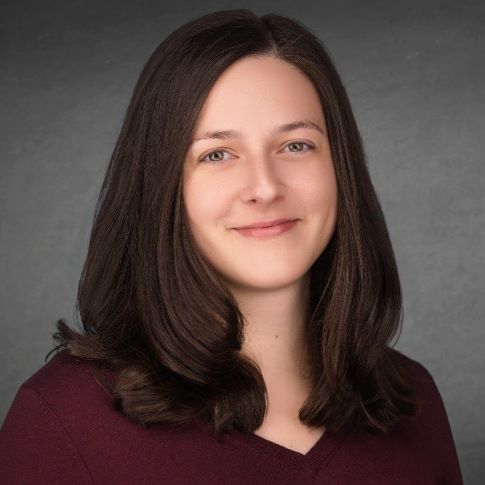
Erika Dochney, FSA
Director, Insurance Consulting & Technology
Erika Dochney, FSA
Director, Insurance Consulting & Technology