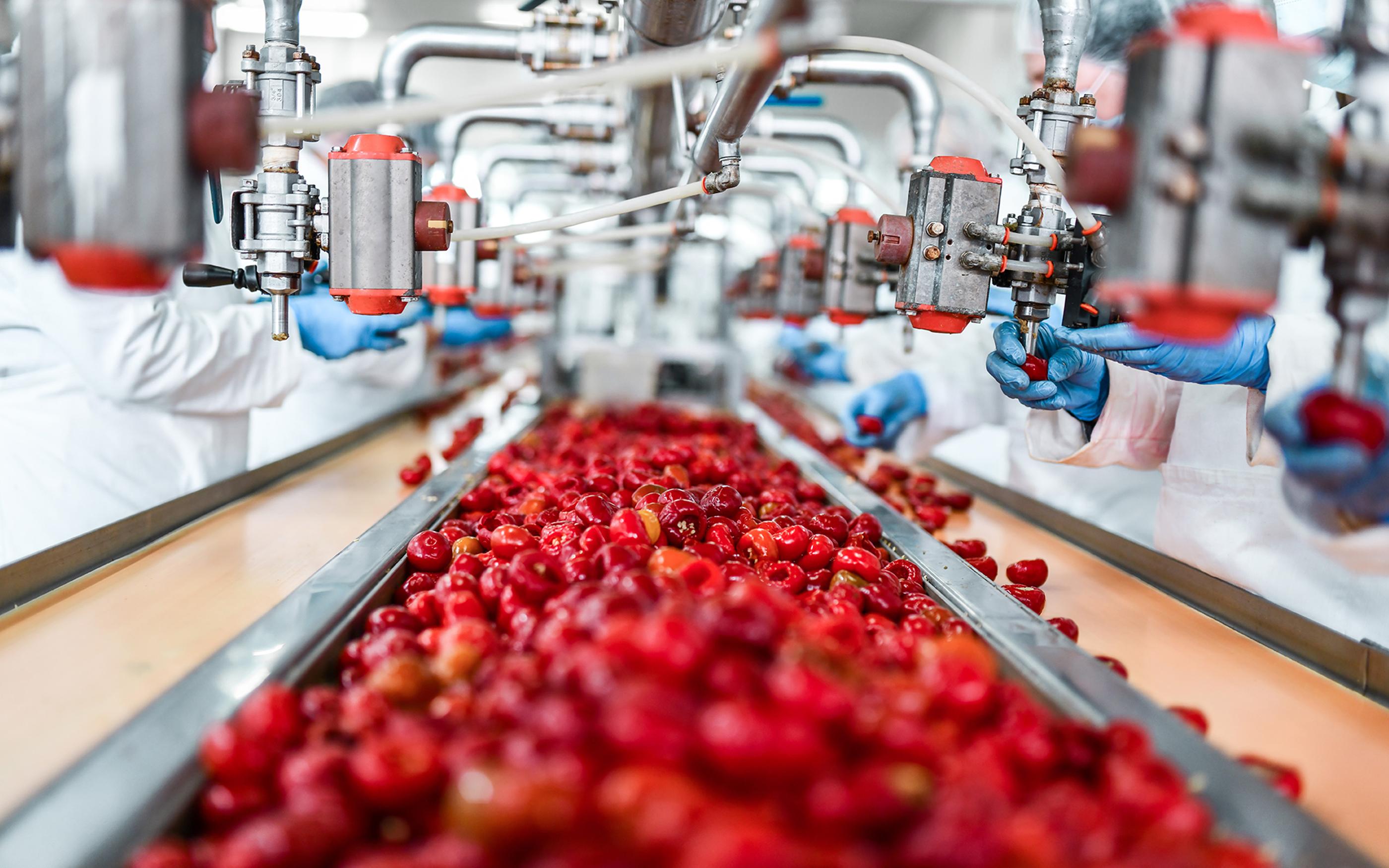
Highly automated warehouses and plants can raise throughput, reduce physical risks for workers and lower unit costs. As these technologies expand and as the pace of automation increases as a result of AI, human roles shift towards technicians, data specialists and maintenance engineers.
But when governance and communication lag behind adoption, automation introduces new risks. These build slowly and they undermine the resilience and reputation of the organisation long before they become visible in performance.
Is your organisation gaining efficiency or eroding workforce trust?
Technology isn’t the only factor that determines whether automation succeeds. People do. Organisations often underestimate how employee confidence influences productivity, quality and safety.
If automation arrives without a clear, transparent stance on roles, reskilling and the intended future of work, morale can erode and disengagement can grow. Workers may fear being replaced, sidelined or left behind. These concerns can become widespread across the sector and they merit clear answers, not assumptions.
Externally, perceptions matter too. In a consumer-facing sector, the belief that ‘efficiency is coming at the expense of jobs’ can weaken brand trust. Customers increasingly expect companies to demonstrate responsibility not just in what they make, but in how they treat people.
What new operational and physical risks can automation introduce?
Automation improves throughput, consistency and safety when designed well but new hazards emerge when robotics, battery-powered systems or high-density storage enter the operating environment. These risks include:
- New failure modes that didn’t exist in manual operations
- Increased physical hazards associated with automated equipment
- Reduced visibility when systems operate autonomously for long periods
- Higher dependency on specialised maintenance and technical recovery.
This shift demands a stronger link between engineering, safety and operational planning.
How can your organisation govern automation with clarity and trust?
An effective AI and automation policy can’t stop at tool permissions or prohibited uses. To help protect both performance and people, your organisation needs to define their position on:
- Automation: which processes will be automated and why
- Training: how employees will be supported into new technical roles
- Reskilling: what pathways exist for those whose work will change
- Safety: how risks will be assessed and mitigated in increasingly automated environments.
Transparency is essential. Teams want to understand the direction of travel, what will change, what will not and what support will be available. Communicating early and often reduces uncertainty and reinforces trust.
In parallel, independent safety reviews should be mandated whenever new automated systems are introduced or changed. This ensures that operational continuity doesn’t depend solely on the assumptions built into the technology.
What you can do now and what comes next for automation in the manufacturing sector?
You don’t need a major programme to put responsible automation governance in place. Start by making your position clear: what automation will mean for different parts of your workforce and what it will not mean. Clarity reduces noise and builds confidence, while uncertainty tends to do the opposite.
From there, make the shift tangible by setting out reskilling pathways that match how roles are changing on the ground. If automation is moving work towards technicians, data specialists and maintenance engineers, people need to see what capability-building looks like in practice and how they can access it.
To explore how you can build stronger AI governance as automation expands in your organisation, get in touch with our specialists.
Author