In brief
- People are struggling with their health all over the world. Many are suffering from long-term diseases which could be prevented, or managed, with lifestyle changes.
- These health conditions are driving employee benefit costs up and impacting productivity.
- Employers play a vital role in helping their workforce to be healthier.
- Embracing a new generation of technology is one part of a successful strategy, but first they must understand the health profile of their organization and identify the gaps in their existing benefits provision.
The challenge
Seven in ten deaths are linked to non-communicable diseases, which often have avoidable causes[1]. How people live has a huge impact on their health. For example, flexible working has many advantages, but it does mean it’s easy for employees to live more sedentary lifestyles, putting them at higher risk of obesity and associated diseases. Emotionally and socially, employees may also miss the connections they make throughout day-to-day office life, negatively impacting their mental health.
Our 2024 Global Benefit Trends (GBAS) research reveals that only 29% of employees in the UK have at least two good lifestyle habits, with 15% reporting living with a long-term condition. Across Europe, seven in ten employees reported dealing with at least one physical wellbeing issue in the last 12 months, with the same number reporting emotional wellbeing struggles as well.
When employees are unwell, they often struggle to access the help that they need, due to a challenging combination of busy lives and under-resourced public healthcare. In addition, with longer waiting times in state systems and faster access to initial care provided by primary care telehealth services, many are turning to their employer-funded private healthcare plans for support. This trend is coming through in health and disability program claims experience, and ultimately results in increasing benefit premiums for employers.
The good news is that there are steps we can take to improve employee health and mitigate the risk of illness. Employers play a key role in this, and it’s in their interests to do so. A physically and mentally healthy workforce is more productive and engaged and takes less time off work. Insights from the GBAS research highlights significant differences between employees who are thriving and those who are struggling with their wellbeing (Figure 2).
Figure 2: Better wellbeing is associated with higher levels of retention, engagement, and employee performance.
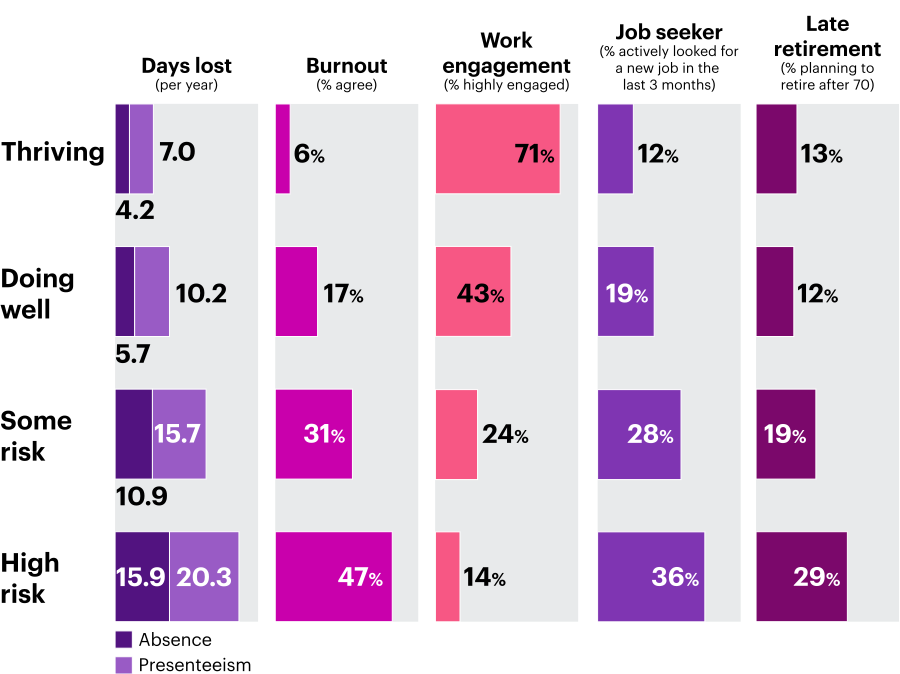
The association between wellbeing and employee retention, engagement, and performance
Sample: All employees
Source: 2024 Global Benefits Attitudes Survey: Europe
- Employees report that the most effective interventions in managing emotional health are social interaction, being physically active, and getting outside.
- Meanwhile, being more active and eating better are top priorities for managing their physical health.
Source: WTW's Global Benefits and Attitudes Survey 2024.
Here are three steps employers can take to support their employees’ health.
Authors


Start here to solve your organization's health and wellbeing challenges
Survey Report
Understanding the employee voice