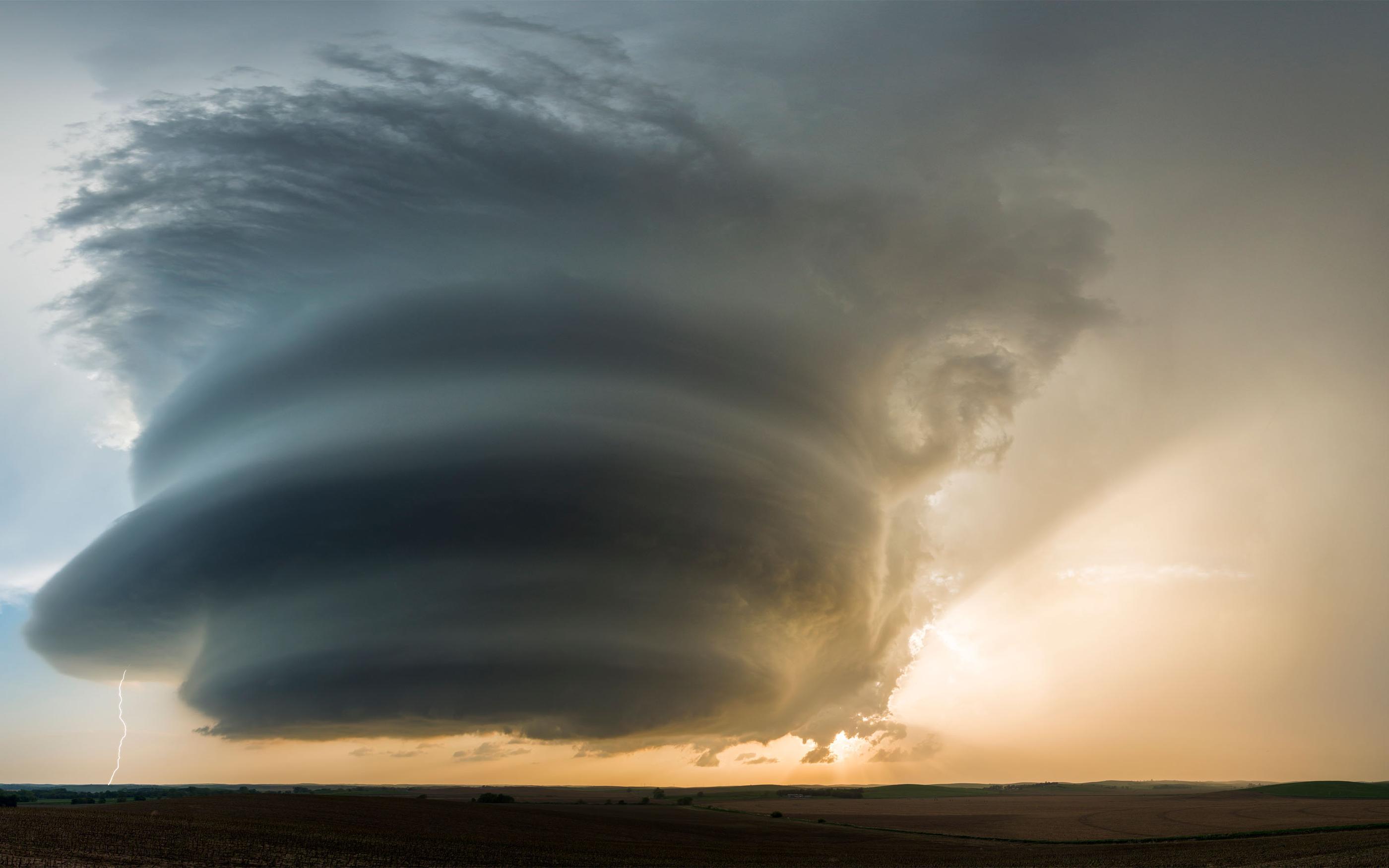
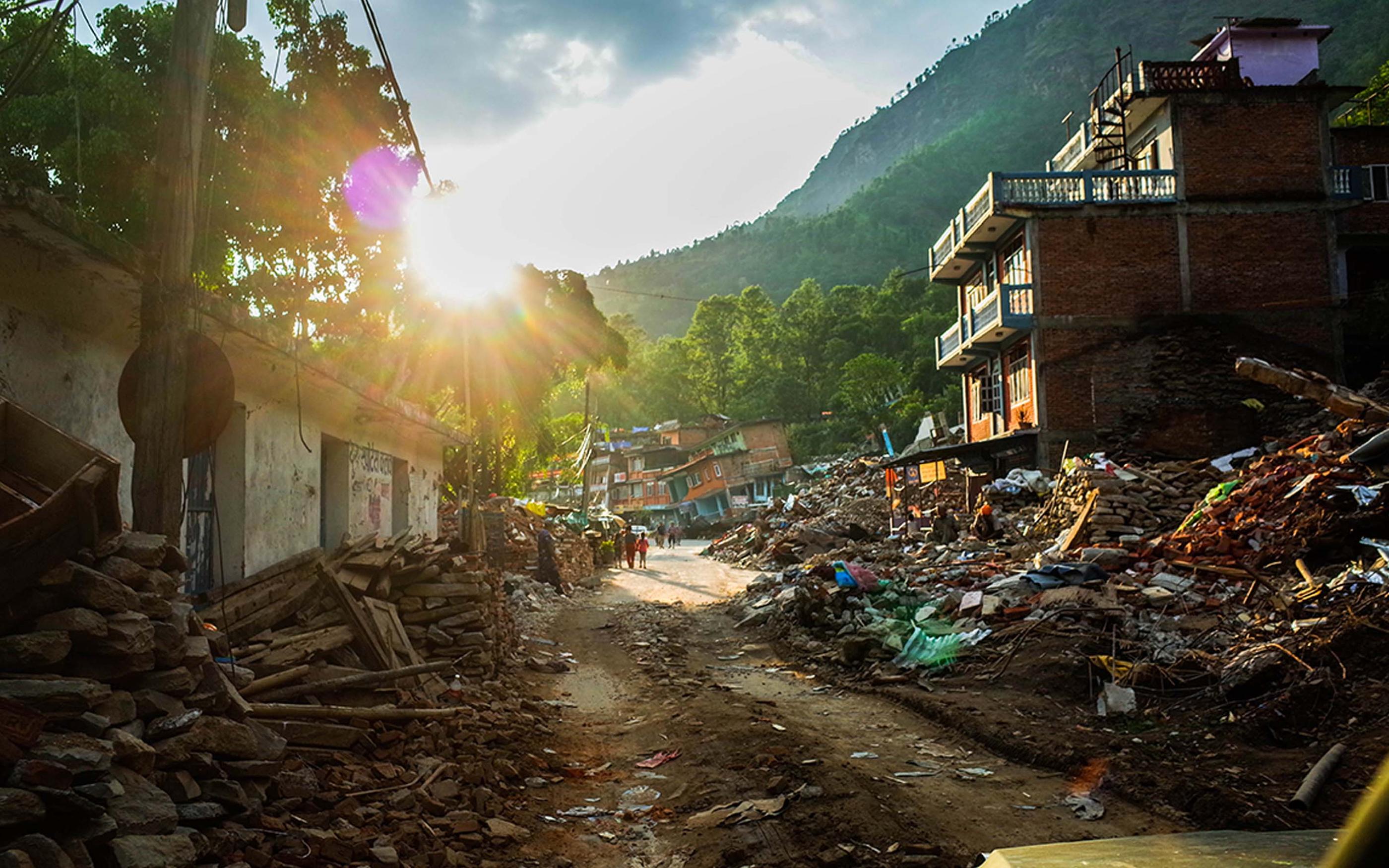
The startling frequency of catastrophic events such as earthquakes, wildfires, hurricanes and typhoons is concerning for everyone. Natural catastrophes are impacting individuals, communities and companies alike. The risks of devastating property damage, injuries to people in effected areas and the loss of life are just some of the consequences of these events. Along with these, the construction industry must face other impacts such as project delays, supply chain issues and construction damages.
From an insurance marketplace perspective, when it comes to construction projects, we have observed improved pricing conditions, coverage, and capacity for most commercial lines of business with the exceptions for Natural Catastrophe (Nat-Cat) exposed projects and renewable programs with poor claims experience, lack of robust risk management plans and prescriptive formal loss mitigation protocols. These projects still experience rate increases in the double digits and sometimes, more importantly, see capacity becoming less available. Undoubtedly, natural disasters have a significant impact on the construction industry. To effectively navigate the complex challenges driven by unpredictable weather conditions and climate changes, organizations should consider adequate insurance coverage and proactive risk management strategies to help prepare for the future.
Leveraging advanced data analytics and risk-modeling tools can provide construction companies with insights of the high-risk areas, so they can make informed decisions.
Data-driven and analytical solutions can help construction organizations with their risk assessment processes and management strategies. Leveraging advanced data analytics and risk-modeling tools can provide construction companies with insights of the high-risk areas, so they can make informed decisions. It’s also important to ensure companies are using weather-proof materials, following building regulation codes and best practices that contribute to the safety on construction sites.
Although climate change is often considered to be the main cause for any natural disasters, it is critical not to forget the role socio-economic factors play in determining the severity of extreme weather conditions. After all, natural hazards become catastrophes only when they are met with an inadequately prepared society. In order to improve weather resilience in the construction industry, organizations should also look at how interactions between hazards and society are changing.
What can you do to prepare adequately?
Organizations should focus their Nat-Cat exposure risk management strategies on both short- and long-term value creation, viability, stability and growth.