
Employees have faced major work and life adjustments in recent years, and unprecedented health and wellbeing concerns. Nearly 60% of employees developed a moderate to high degree of anxiety from these challenges. Stress came from many directions, from the ongoing health crisis, new financial concerns and work distractions related to remote or hybrid working.1
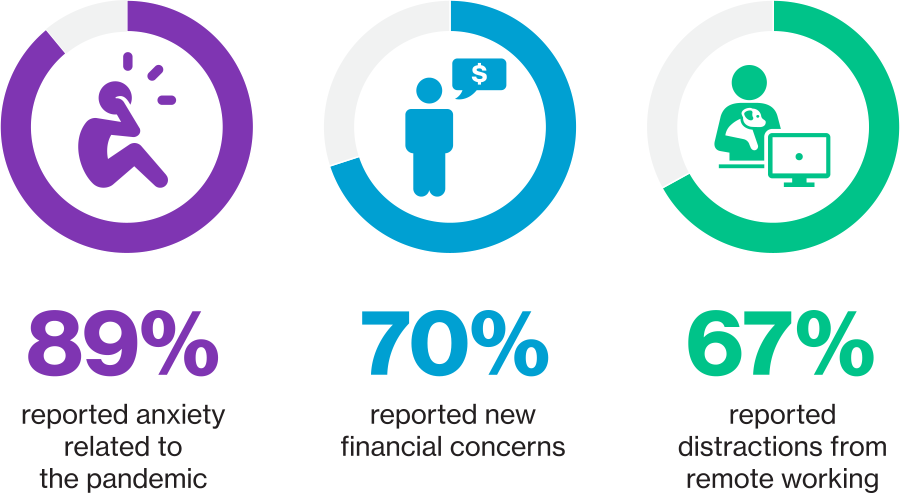
Figure 1. Employees experienced increased anxiety and challenges at the peak of the pandemic
Disruptions to work dynamics, demanding workloads, lack of social support, and blurring of work/life balance have all contributed to the pressure cooker environment for employees, leading to increased concerns of burnout in the workforce.
An occupational phenomenon
Burnout occurs when all coping mechanisms have failed after prolonged, sustained and unmanaged severe stress. The result can be extreme for employees and employers. In the workplace, employees may suffer decreased productivity and performance, energy depletion, feelings of negativity or resentment, and reduced professional efficacy. Burnout can cause fatigue, insomnia, sadness, anger and irritability, and lead to further health consequences and illnesses including alcohol or substance misuse, heart disease and type 2 diabetes, among other serious medical conditions.2
Employers can take an active role to help prevent employee burnout.
Employers can take an active role to help prevent employee burnout. Our 2021 Benefit Trends Survey found that many organisations are taking some steps, including:
- Reviewing how wellbeing solutions can be incorporated as a core benefit. Employers are redesigning their benefit package to enable better work-life balance and self-care. For example, providing sabbatical leave to allow longer rest or time for personal priorities, including family, hobbies, or further education.
- Leveraging digital tools and apps. Employers are partnering with digital health providers to offer a platform that can support various areas of mental and emotional wellbeing, such as mindfulness, meditation and cognitive behavioural therapy.
- Enhancing mental health support. Employers in Asia Pacific are planning to increase support for mental health through their benefit plans over the next two years (Figure 2)3. Many have also recently extended access to telehealth, which may enable employees to have more direct access to professional mental healthcare, where local legislation allows.4
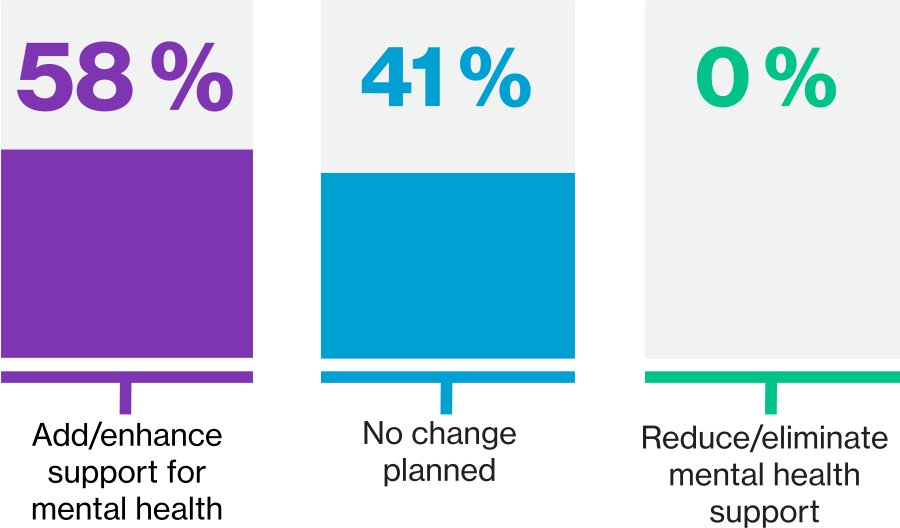
Figure 2. Asia Pacific employers will increase access to mental health support through their benefit plans in the next two years
Actions to reduce burnout by supporting employee mental wellbeing
Managing burnout and prioritising employee mental health and wellbeing is an enterprise-wide issue that can reap benefits for broader work processes, performance management, and the employee experience. Here are six tips to help get started:
Review current policies on working hours, flexible work, leave and employee benefits that may influence attitudes towards work and rest. Be consistent with practices that enable work-life balance.
Equip managers with the right training and skillset to detect employees at risk of burnout and resources to support those experiencing it. Keep work expectations, workload and time pressures manageable and sustainable. This message is even more impactful coming from senior leadership, and for employees and managers to see senior leaders leading by example to live the values.
Identify leaders to champion a broad and diverse network of individuals to nurture emotional and mental wellness in the workplace. Wellbeing coaches can help employees identify and address sources of stress, challenge negative thinking and work with colleagues to build resilience.
Allow opportunities for non-work activities at regular intervals for employees to foster connections with colleagues, such as celebrating special events or joining clubs for shared interests. For colleagues working remotely, arrange socialisation through online catch-ups and team building games, such as virtual charades or online cooking classes.
Arrange focus group sessions and pulse surveys to know how your employees are faring and to help identify the root causes of stress and intervene before it turns into occupational burnout. Managers can also set aside time for employees to safely express work concerns, and discuss how to address issues together.
Provide employees with support services to navigate the challenges they are facing. This can include activation of an employee assistance program (EAP) and access to digital tools, such as mindfulness applications, to help cope with daily stressors and improve overall wellbeing.
While there is no blanket solution to burnout, organisations can approach employee wellbeing thoughtfully with empathy and creativity.
While there is no blanket solution to burnout, organisations can approach employee wellbeing thoughtfully with empathy and creativity. Employers can also effectively support employees’ mental health and overall wellness, by taking steps to prioritise their physical, social, emotional and financial wellbeing.
Our next article in this series on benefits and the employee experience will focus on another important area closely related to employee wellbeing, and that’s sleep.
Sources
1 WTW Employee Opinion Norm Database – August 2020
2 World Health Organization
3 2021 Benefit Trends Survey
4 WTW 2022 Global Medical Trends Survey
Author


Modernising Benefits
Navigate the many complex decisions around benefit design and delivery.