Over the past few years, employers in Asia Pacific have started on a journey to redefine and modernise their benefits. Previous Benefit Trends surveys in the region have seen a steady progression in how employers and employees view their benefits plans. From a transactional, “check the box” item, benefits have evolved into a true attraction and retention tool. Today, employers understand that their benefit strategy can be instrumental in shaping the type of organisation they are, and the way their employees — and their peers — perceive them.
Choose your location
Select the location and the language that you prefer


main content, press tab to continue
Survey Report
The evolution of benefits in Asia Pacific: From transactional to transformational
Asia Pacific insights from the Willis Towers Watson 2019/2020 Benefit Trends survey
In the recent past, Asia Pacific employers have started on a journey to redefine and modernise their benefits to become broader and more ambitious.
Our last survey showed a trend towards enhancing benefits to include non-core concepts such as wellbeing. Today, we see this trend go even further as employers embrace concepts such as inclusion and diversity, corporate social responsibility, and flexible work policies.
This year’s survey aims to pause and reflect: as benefits become broader, are they truly effective in what they have been designed to do? Are employers getting the full value from their benefits package, and are they truly equipped to address the needs of a changing, multigenerational workforce?
We found that only a minority of employers in Asia — and globally — think their benefits are truly effective. While this can be explained by the increasingly ambitious nature of benefits programs today, it raises the question: what can employers do to ensure that benefits are truly addressing the changing needs of the future?
Benefits strategy
Key challenges facing employers
Employers struggle with old challenges, as well as new:
- Rising benefit costs have long been cited in our survey as the leading challenge faced by Asia Pacific employers (and their global peers) — and this year is no different, with 69% citing this as a top challenge.
- However, new challenges have crept up alongside, foremost of which are dealing with the differing wants and needs of a multigenerational workforce (Figure 1).
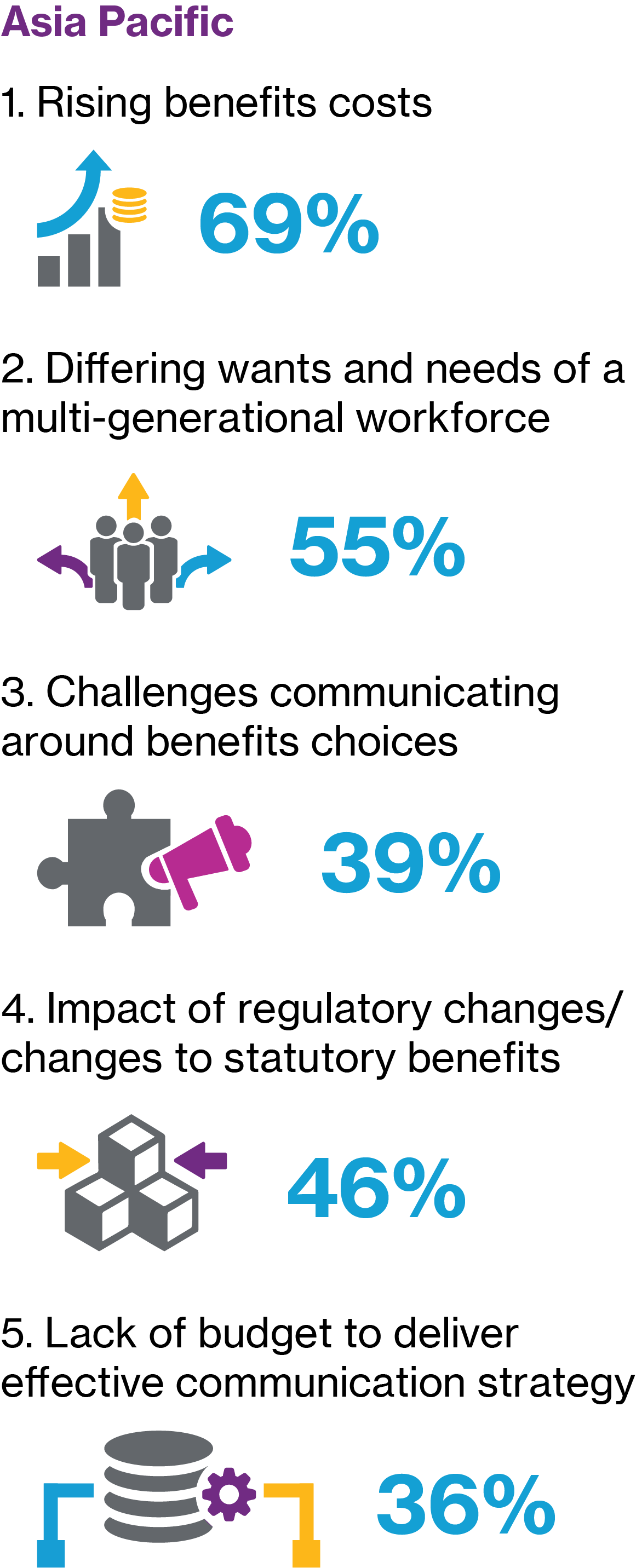
Figure 1. The primary challenges facing employers in Asia Pacific
Most employers think they understand their employees’ wants and needs. But our data shows that few outside North America think they are effectively delivering flexibility and choice to their employees (Figure 2). In Asia Pacific, less than half of employers believe their benefits package is tailored to meet the specific needs of their workforce.
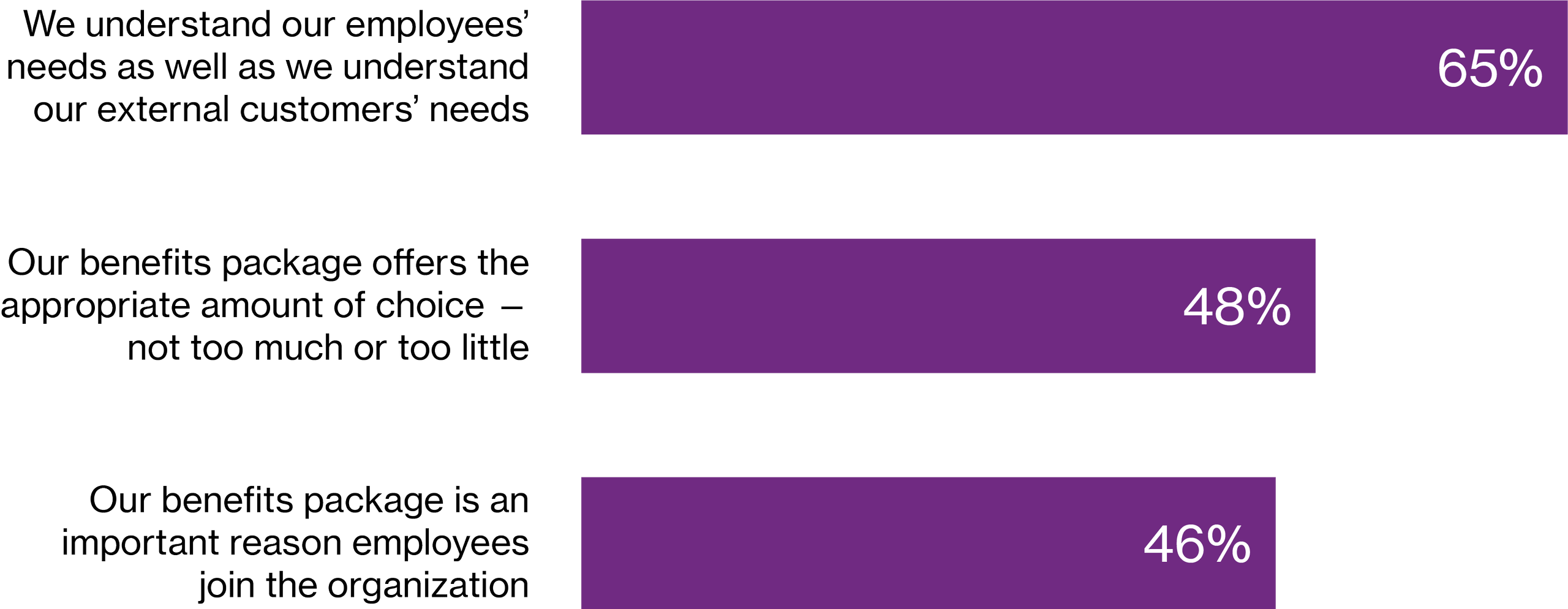
Figure 2. Less than half of employers believe their benefits package is tailored to their workforce
Less than two fifths said that flexibility and choice were a core part of the employment deal, compared to almost 60% in North America.
Benefits effectiveness
Currently, only a minority of Asia Pacific employers think their benefits are truly effective (Figure 3). For most, this means their benefits plans are adequate, but not maximising value and not delivering a truly modern benefits package.
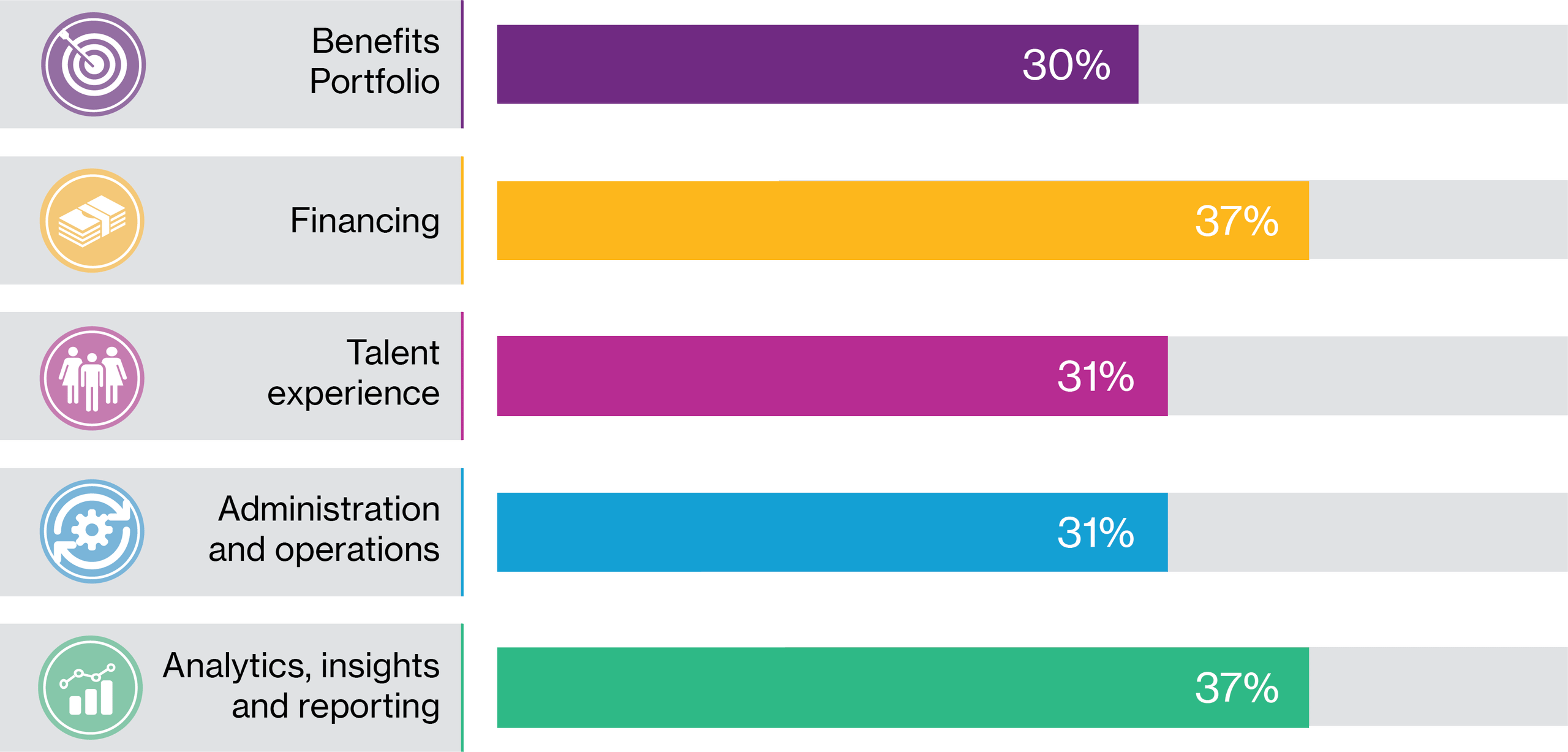
Figure 3. Only a minority of employers think their benefits are truly effective
In Asia, those that do think they are highly effective are more likely to report:
- Our benefits package is tailored to meet the specific needs of our workforce (highly effective are 1.6x as likely to report as average respondent globally)
- Flexibility and choice is a core part of our employment deal (1.8x)
- Our benefits package is an important reason employees join our organisation (1.6x)
An evolving role for employee benefits
In part, the reason for such relatively low scores on benefits effectiveness is that we are seeing a change in what benefits are being asked to do. Traditionally, benefits looked to address core health and retirement needs. Two years ago, in our first global Benefit Trends survey, we saw movement across the globe to a greater focus on addressing employee wellbeing.
Today, we see this trend continuing, but also expanding to include a broader notion of what employee benefits are — to now include workplace culture, inclusion and diversity (I&D), corporate social responsibility (CSR) and flexible work policies.
Employee benefits are being challenged to do more: to better target a broader concept of employee wants and needs. This may help to explain underperformance of benefits programs relative to organisational goals: benefits programs that were fit for purpose in the past are not addressing the changing needs employers see for the future.
Top priorities for benefits
According to the survey findings, the top four priorities for organisations’ benefit portfolios are:
- Incorporating wellbeing — including financial wellbeing, physical health and emotional wellbeing and stress — into overall benefit strategy (60% in Asia Pacific; 66% globally)
- Enhance work policies, e.g. flexible work, recognition, mentoring, training (61% in Asia Pacific; 64% globally)
- Align benefit provisions with market norms and employee wants and needs (61% in Asia Pacific; 62% globally)
- Incorporate I&D into benefits programs design (50% in Asia Pacific; 55% globally)
Download the full report to find out more about specific actions employers across Asia Pacific are taking in areas such as financing, improving the talent experience, and their administration and operations.
Download
| Title | File Type | File Size |
|---|---|---|
| 2019 Benefit Trends survey - Asia Pacific | 8.8 MB |

