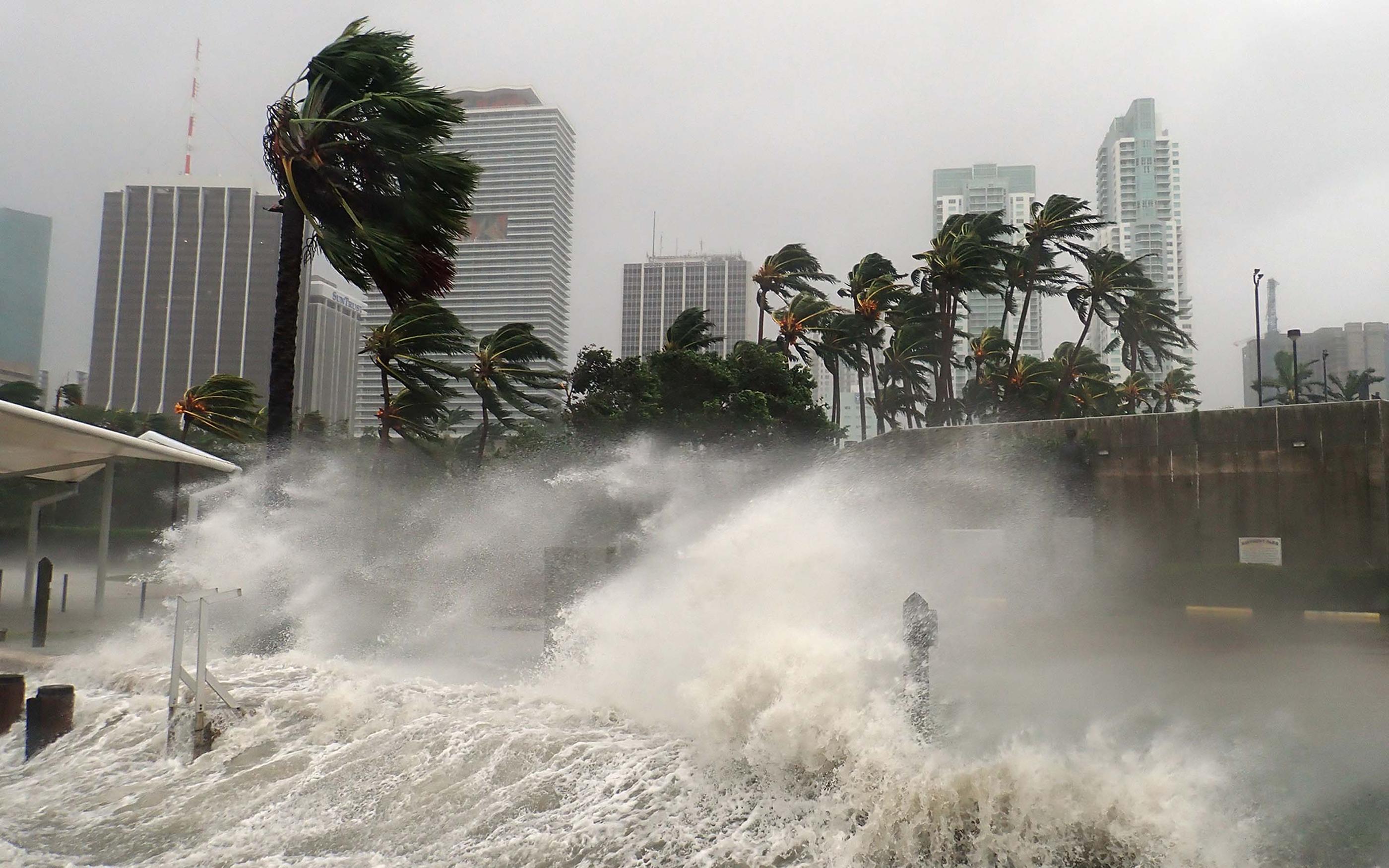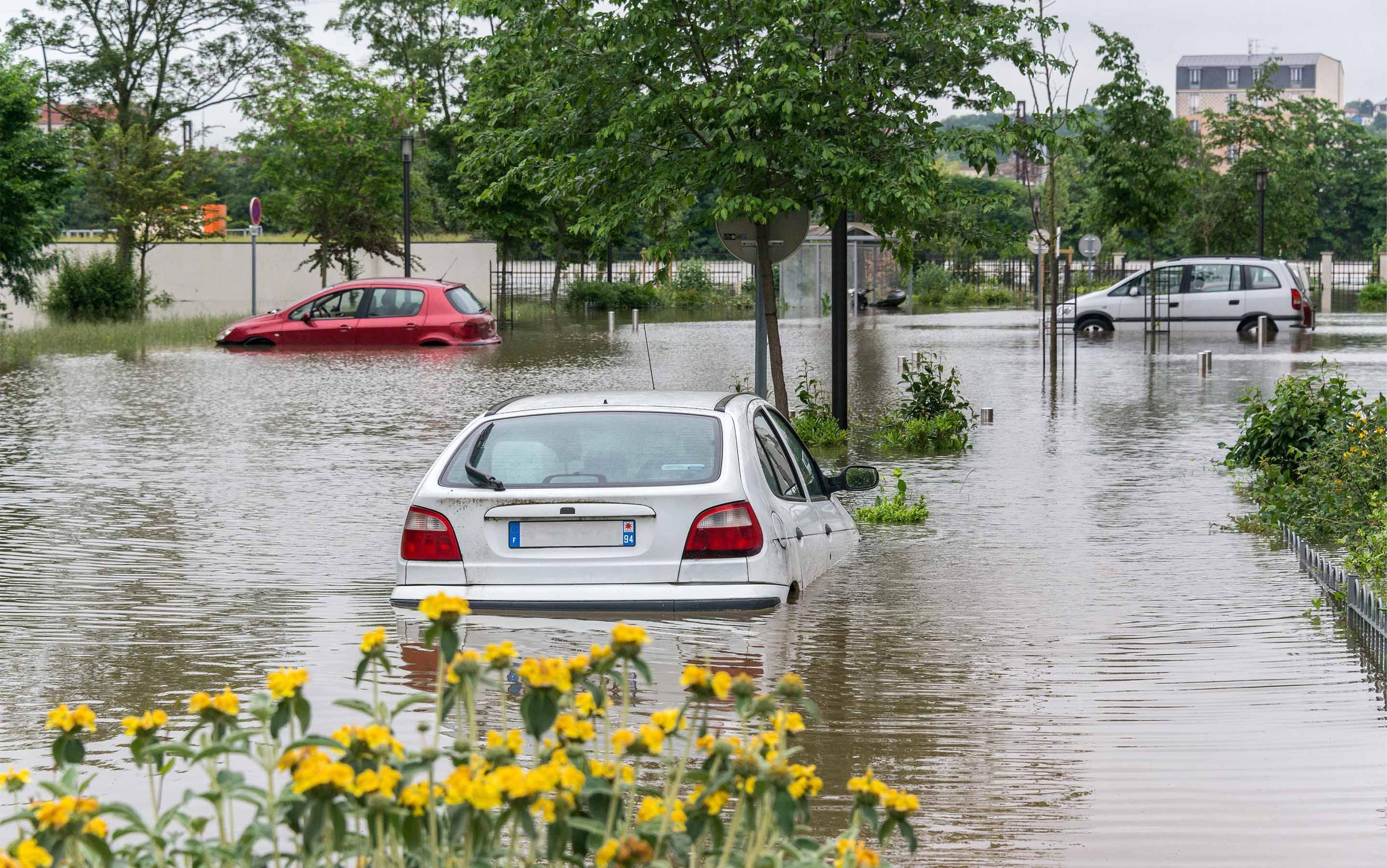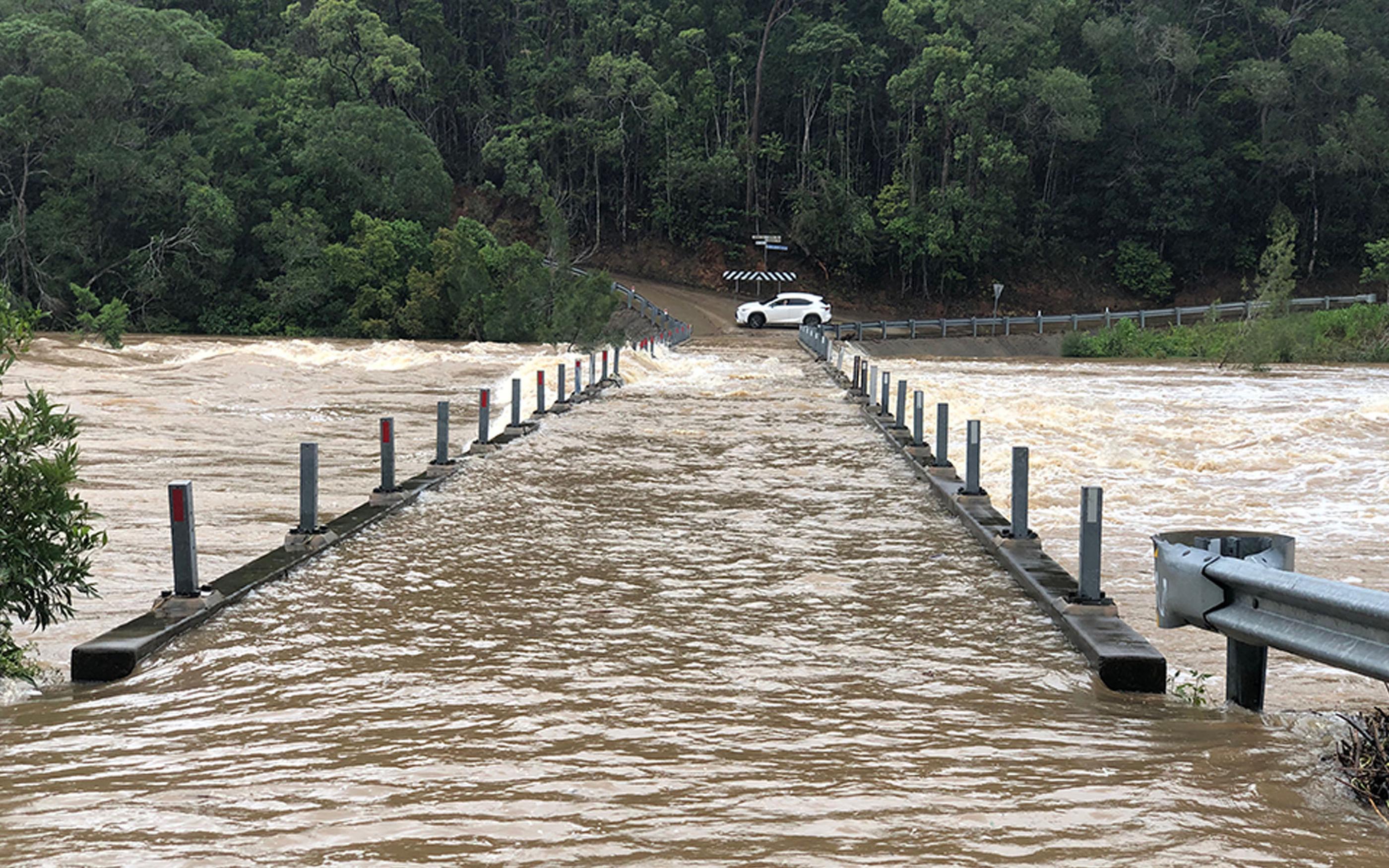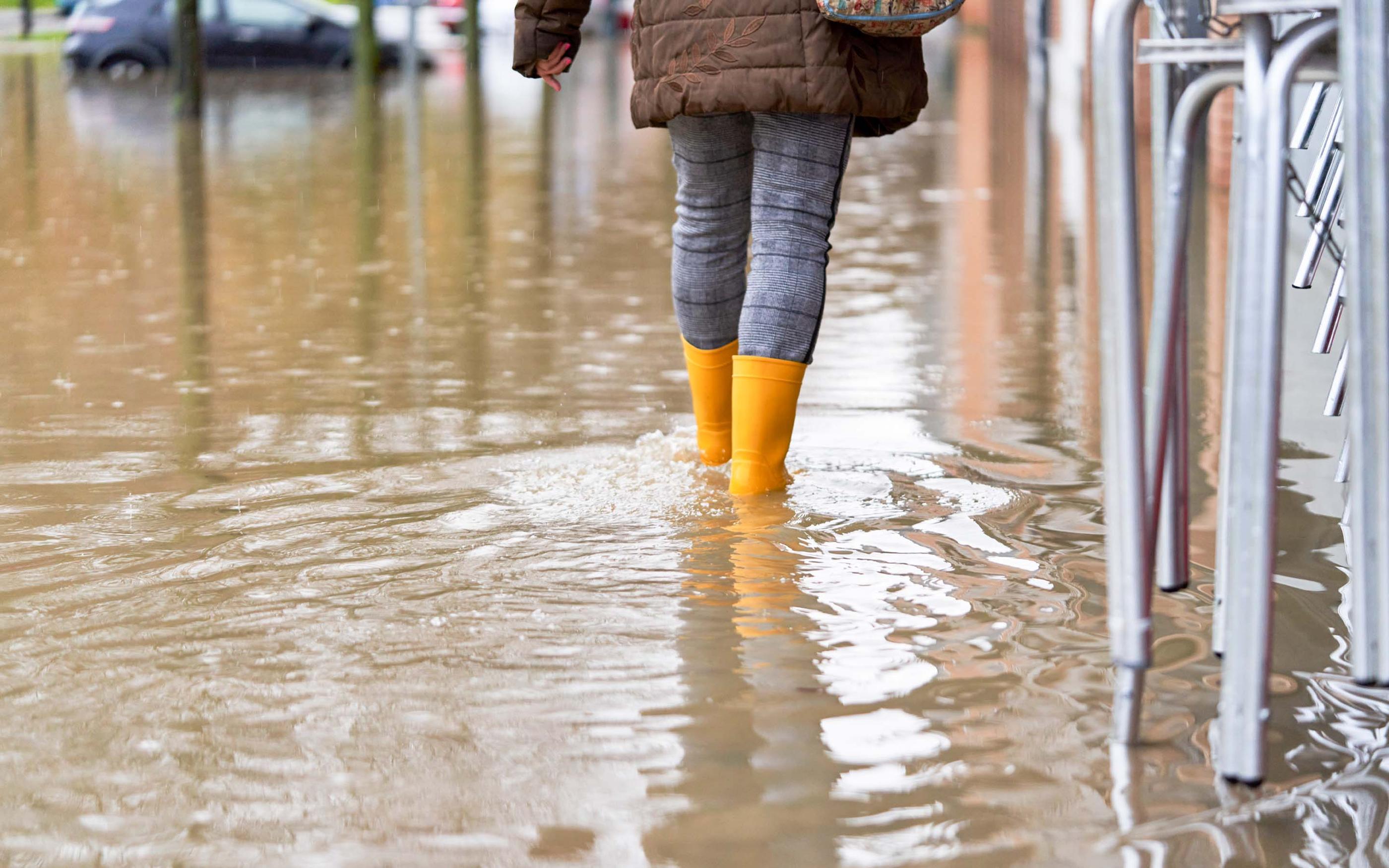
Flooding threatens countries all around the world. WTW’s H1 2024 natural catastrophe review points out that already this year we’ve seen Brazil hit by one of the worst-ever flood events on record and disastrous flooding across the Persian Gulf.
Eastern Africa has also faced destructive floods, and Europe has suffered too, with Germany, Belgium and the Netherlands forced to evacuate towns and villages.
1.8 bnpeople now live in an area that is at risk of a major flooding event.
Catastrophe modeling tools make it possible to predict the likely financial losses from flooding that a location – or portfolio of locations – is exposed to.
These combine flood hazard data and information such as location characteristics, the organisation’s schedule of value and the property’s vulnerability to estimate potential losses.
The more comprehensive – and accurate – the exposure data, the better informed these estimates will be.
Armed with the outputs from these tools, WTW’s natural catastrophe specialists help organisations to assess whether the insurance cover they currently have in place is adequate. And when insurers have accurate loss estimates available, they may be able to keep premiums lower, since the data will reduce uncertainty.
Specialist advisers can also help with strategic risk consultancy. This often includes work such as hazard mapping and catastrophe modeling, and provides additional support for organisations considering their options for risk management, mitigation and insurance.
For example, a UK business aimed to quantify the flood risk at its most exposed sites in order to understand its potential losses, including business downtime, and how best to reduce risk.
Analysis based on detailed flood maps and other data sources, as well as information on building vulnerability and local flood defenses – where improvements were planned – generated a probable maximum loss for each location.
At one site, flood alleviation works reduced this figure by around 35%. The exercise culminated in a cost-benefit analysis of possible risk mitigation measures, enabling the business to identify which strategies to prioritize. It chose to invest in protection including flood barriers, pumps and dehumidifiers, as well as mobile generators to reduce recovery time.
The role of parametric insurance
Insurance products have a crucial role to play in helping organisations to protect themselves financially against flood risk.
With the data from flood mapping and catastrophe modeling tools – including deterministic and probabilistic estimates for property damage, business interruption and other losses – organisations can assess how much cover they need and decide what level of premiums they are comfortable with paying.
This is often provided by traditional insurance products, which covers mainly covers property damage and associated business interruption through a lengthy loss adjustment process.
However, parametric insurance solutions can provide valuable protection when traditional insurance falls short of clients’ requirements.
With flooding risk on the increase, parametric insurance can complement traditional insurance by covering gaps left by traditional policies – perhaps where certain types of risk are not covered, or where higher excesses or lower limits apply.
Parametric insurance pays a set amount to the policyholder if a specific threshold of an event happening is met.
For example, a parametric policy may pay out if a certain amount of rain is measured to fall at a particular location, or if satellite imagery determines that flood water is present at an insured area. In this way, the structure of a parametric insurance solution and any pay-out is fully pre-determined at the start of the contract.
As such, parametric insurance can be more transparent than traditional policies – policyholders know exactly what they will receive in specific circumstances.
Also, claims are usually settled quickly as no formal loss adjustment process is required. Measurements of the event are simply cross-referenced with how the loss is calculated in the contract, and payments can then be swiftly transferred.
The organization can then use parametric pay-outs as it sees fit – including for costs such as non-damage business interruption or supply chain disruption, which traditional property insurance may not cover.
The organisation can then use parametric pay-outs as it sees fit – including for costs such as non-damage business interruption or supply chain disruption, which traditional property insurance may not cover.
One key consideration before obtaining a parametric policy is basis risk – the difference between the pay-out from the parametric contract and the amount that a client may require.
This may occur if losses are higher than a parametric contract calculates. Specialist WTW brokers review and quantitatively analyze parametric policies to minimize basis risk and ensure high quality cover for all clients.
Despite basis risk, the benefits of parametric insurance can often outweigh these concerns, and organisations across many lines of business purchase parametric insurance.
One example of a client we have helped is a large pharmaceutical company in the US, which was faced with higher excesses because of steadily increasing flood risk. The business opted for a parametric solution to reinsure its exposure; the policy pays out if a storm surge is greater than 4.9 meters, as verified by measurements from the closest National Oceanic and Atmospheric Administration station.
WTW has independently analyzed this choice of 4.9 meters to minimize basis risk and ensure that pay-outs according to the client’s needs are met in the event of a flood.
In practice, of course, every organisation faces different considerations. The most appropriate way to manage risk will vary from one organisation to the next, depending on its individual circumstances. The starting point is to assess exposure – that will define the right response.
Contact us now to discuss how we can help you through this process to manage risk more effectively.
Footnotes
Contact