
Rapid advancements in technology, evolving workforce expectations and an increasingly competitive environment are driving transformative change in the BioPharma and Life Sciences (BPLS) sector. Key trends include breakthroughs in drug discovery, shifts in employment dynamics and the evolution of compensation structures to attract and retain specialized talent.
Tech innovations driving drug development
AI-powered drug discovery
Researchers are revolutionizing drug development by leveraging artificial intelligence to predict molecular behaviors, optimize clinical trials and identify new drug targets. Along with accelerating timelines, AI-driven drug discovery also is reducing costs, making the process more efficient. Collaborations between major pharmaceutical companies and AI-focused firms are fueling this innovation, with significant investments aimed at leveraging machine learning and bioinformatics.
Gene and cell therapies
Advancements in gene editing and cell therapies are providing groundbreaking solutions for genetic diseases and cancers, and the field is set to expand rapidly with the U.S. Food and Drug Administration (FDA) poised to approve more of these therapies.
Personalized medicine
By tailoring treatments to patients’ unique genetic profiles, personalized medicine is redefining healthcare. This approach enhances efficacy while minimizing side effects, particularly in cancer care. Tools like genomics and bioinformatics are pivotal in delivering these customized solutions.
Sustainability in drug production
The BPLS industry also is striving for greener practices, focusing on waste reduction and eco-friendly production methods. Sustainability is becoming a core priority as companies aim to align operations with environmental goals.
Workforce dynamics in a rapidly changing landscape
Talent shortages and upskilling needs
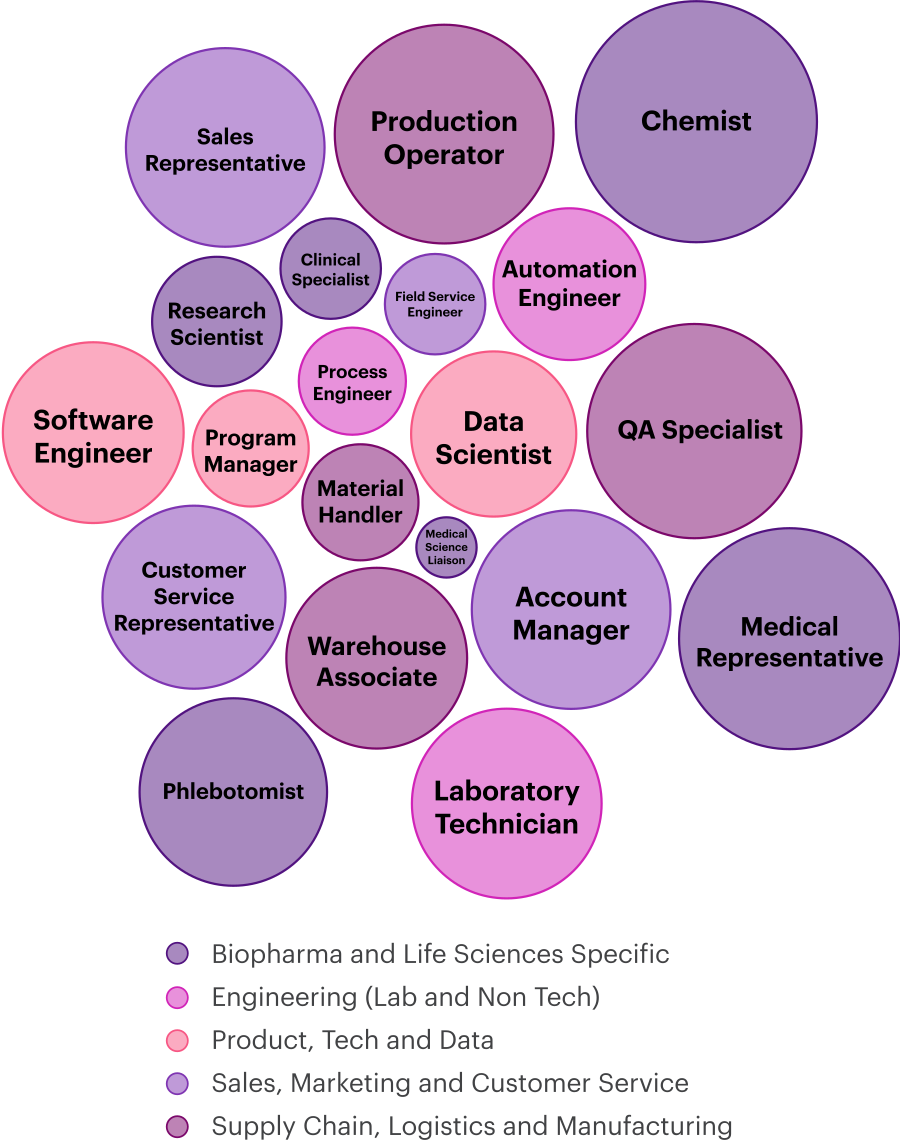
The increasing dependence on technologies like AI and machine learning has led to a talent shortage in the BPLS sector. Companies are finding it challenging to recruit and retain skilled professionals, especially for positions such as data scientists and software engineers. Additionally, industry-specific roles, including chemists, medical science liaisons (MSLs), and research scientists, are in high demand. To bridge these gaps, it has become crucial to upskill current employees through targeted training programs (Figure 1).