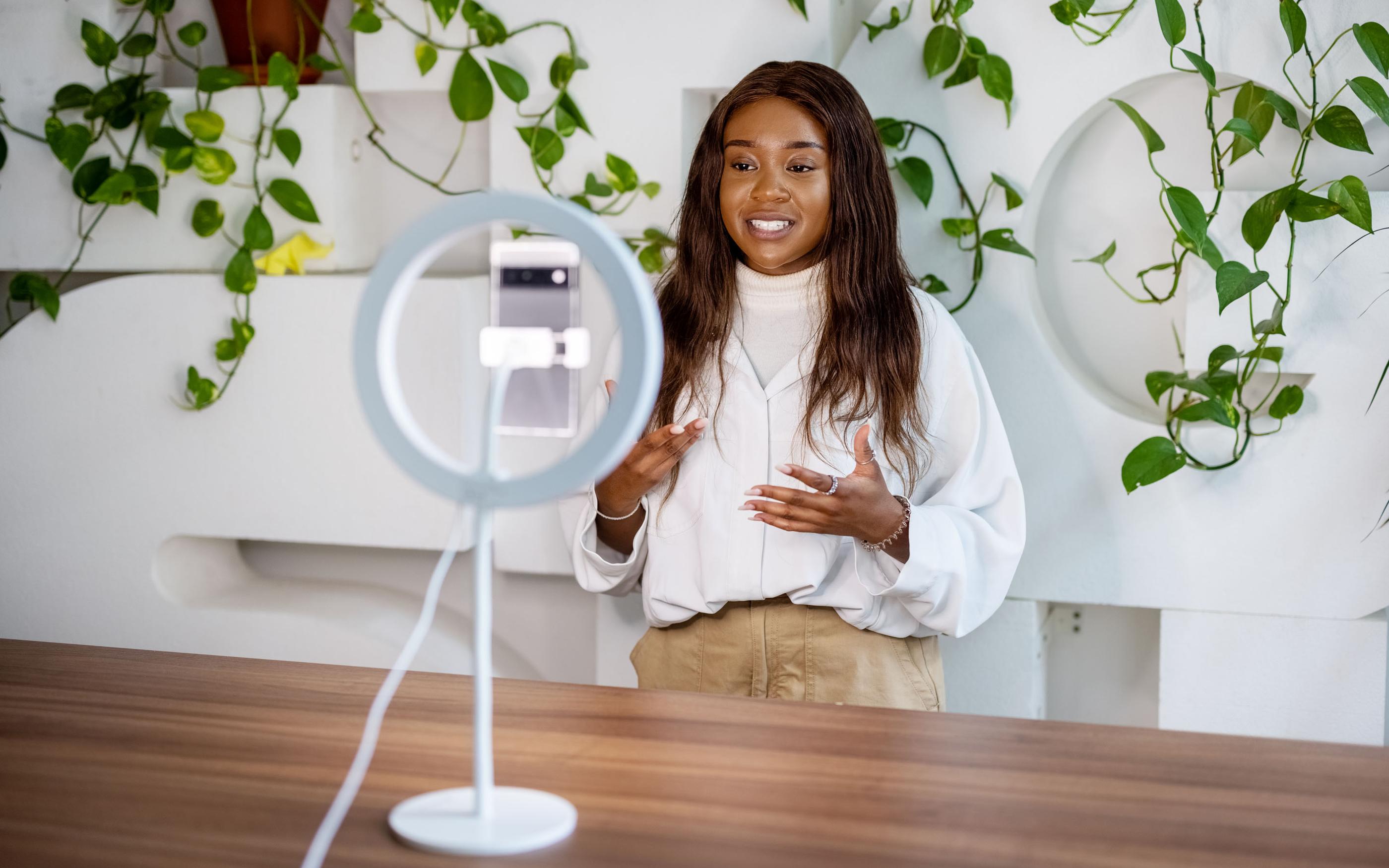
In the age of celebrity, few marketing strategies are as potent as the celebrity endorsement. With customers following stars in real time, looking to emulate their tastes and lifestyles, the right association can give an instant lift to sales and create a warm halo around a brand.
Research has shown that endorsements can increase revenue by an average 4%[1]. Depending on the personality, the impact may be much higher. By bringing their fanbase to products, celebrities can also help brands sell into markets that were previously underdeveloped. For example, K-pop stars endorsing luxury products helped expand their appeal to younger audiences in Asia and globally.
Celebrities are the new brands
But the changing nature of fame and the media landscape has made these associations trickier to navigate. Where once celebrities might have been the silent face of the brand, now they are brands in themselves – with a voice that is hugely amplified by social media.
This can be used to advantage, helping companies to align with the causes and ethics the celebrities support. But associating with a vocal personality can also backfire if they use their social megaphone to abuse others or are exposed for unethical or fraudulent behavior.
It’s hard to control what they say
Once you form an association with a celebrity, anything they do or say may be connected back to you. But you have very little control over their actions. One controversial comment can be enough to cause a storm that travels round the world in minutes.
This can cause significant reputational damage. We’ve seen recent high profiles examples where companies have lost sales and market value as a result of a celebrity’s misconduct.
In sectors where the value of intangible assets is high, the cost of reputational damage can be as severe as a cyber breach or regulatory failure. It’s a significant financial risk – and needs to be managed with the same due diligence as part of corporate governance and fiduciary responsibilities.
Activist celebrities carry added risk
Heightened polarization around environmental, social and governance (ESG) to diversity, equity, and inclusion (DEI) issues further complicates the risk-benefit calculations around endorsements. Extreme positions on either side of these debates can alienate large numbers of consumers.
The chart below, from Polecat, tracks reputation risk signals from news and stakeholder conversations about celebrities and influencers over the last year. It shows a high frequency of incidents involving controversy, political commentary and activism. Conversations around diversity and inclusion have become riskier in this period as these become increasingly contested topics.
Lack of authenticity can erode trust
Even without a scandal, there can be pitfalls in an endorser relationship. If the celebrity does not genuinely use or like your product, this can be found out on social media and could erode trust in your brand.
There’s also the risk that their other current, or previous, endorsements may conflict with their association with you, or that something that happened a long time ago could come to light that blows up negatively and undermines the value they add.
The right association is worth the risks
None of these are reasons not to use endorsers. The benefits of a good association will always far outweigh the risks. The eyes that celebrities and influencers can bring to your products and the screen time they generate, make them worthwhile investments. They can have a lasting impact and create future value long after the endorsement contract expires.
But they need to be handled with care. With greater value comes greater risk and the need to manage the real reputational and financial impacts.
Helping you protect your reputation
Willis has developed a holistic reputational risk management solution, which includes Polecat risk monitoring to track live sentiment and help prevent negative publicity, and Reputational Risk Quantification to measure likely damage if an incident does occur. Our crisis communications specialists will help you manage the media during and after an event, with Reputational Crisis insurance to cover you for any loss of gross profit you suffer as a result. The solution also covers the costs of brand rehabilitation to assess your resilience against reputation risk in the future.
To find out more, please get in touch.
Footnote
Author

Managing reputation risk
Mitigate reputational risks by identifying threats, building resilience, and managing risk appetite amid ESG influence.