

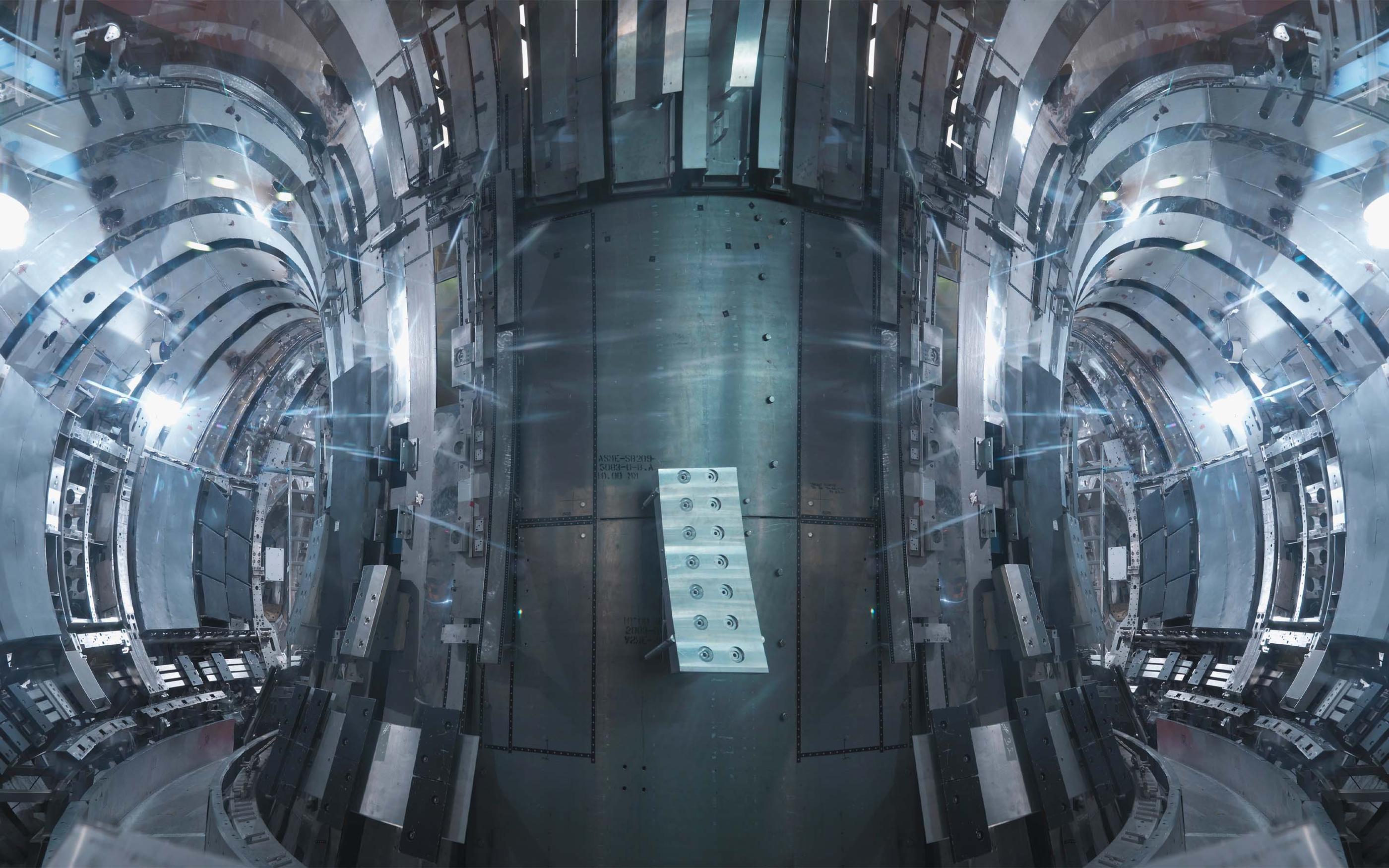
Nuclear energy is poised to be a key answer to the power needs of data centers, offering clean, reliable, and scalable electricity to support the growth of the digital economy.
Key takeaways:
- Regulation, though relatively stable, has been criticized for not matching the pace of deployment for nuclear power.
- There’s white space for insurance to evolve: professional liability insurance at the design stage of nuclear projects; surety solutions for decommissioning at pre-licensing phase; and downstream risks associated with construction.
- By engaging with insurance markets at early design stages, investing in risk engineering, and building insurance obligations into decision-making from the outset, nuclear projects can move forward with clarity.
In a recent article, Willis specialists examined the exponential growth of data centers, reporting that electricity consumption by data centers is set to double by 2030. Energy required for AI chip production soared by more than 350% worldwide between 2023 and 2024, and this trajectory is showing no sign of slowing.
Powerful AI supercomputers need powerful data centers, and a powerful solution for energy.
Nuclear power is on the table for big tech
U.S. technology giants such as Microsoft, Google, and Amazon are big consumers of energy and are looking for ways to generate their own power. Investing in nuclear energy to power data centers is a gateway to securing clean, reliable electricity without intermittency issues associated with other clean technologies such as wind or solar.
Microsoft has signed power purchase agreements with nuclear plants such as Three Mile Island Unit 1, and Amazon Web Services has contracted power from Susquehanna nuclear plant.
While small/medium-sized companies may not have access to capital to invest in stable nuclear power, large technology companies with robust balance sheets are willing to pay a premium for clean energy and expand portfolios to acquire new technologies – creating a dual incentive to invest in new technology companies. For privately owned nuclear companies dependent on private investment, the supply and demand dynamics of the digital economy is a prime opportunity for growth.
But there are barriers.
Barriers to nuclear project deployment
Regulation, though relatively stable, has been criticized for not matching the pace of deployment for nuclear power. The State of Texas and a technology developer had filed a case against the federal government, claiming the regulatory body is moving too slowly and is inhibiting growth.
Inconsistency in regulation is another major barrier. At the moment, any country for deployment needs to have domestic licensing structures, but many countries do not currently have a regulatory body or liability regime for nuclear. While there are talks about reciprocal project licensing agreements among various countries to help expedite deployment, deploying a multi-billion and potentially risky technology is a major decision for country officials. Maintaining control over the safety standards and checks is the priority.
There’s a need for insurance markets to innovate
Multi-year and multi-billion nuclear projects historically have gone overbudget and over deadlines. Currently, there’s not a suitable insurance mechanism to backstop this for investors and funders.
Gaps and exposures are emerging across the full project lifecycle.
Design stage: “At the outset, we’re starting to see gaps emerging in professional liability for reactor design, which is not available in the market at all yet.” Kate Fowler, Global Head of Nuclear, Willis Natural Resources.
Construction phase: Construction markets largely have appetite for nuclear projects, but 10–15-year projects don’t always align with insurer appetite or models. Cost overruns and project delays remain core risks, and there’s a growing trend of project owners taking control of the insurance program and using Risk & Analytics.
Operational phase: Once fuel is added to the reactor and testing is complete, the world has a handful of markets to cover nuclear risks. The big question is whether insurers will be able to match the pace and scale of change for operational nuclear when the switch is flipped to connect it to the grid.
Three key steps for nuclear projects
Related content
- Invest in risk engineering. Although AP300 uses similar principles as AP1000, there are parts of it that will differ. There’s a balance of technology aspects that are new and known, and risk engineering can apply rigor and data to delineate these risks and articulate clear risk information to underwriters.
- Engage with markets and bring insurers along on the journey. The worst-case scenario would be for a project to be designed and approved by regulators, only to be rejected or require modifications for risk mitigation by insurance markets. Bringing an advisor in early enables nuclear project owners to make informed decisions from the outset, knowing the limitations and support insurance markets can offer.
- Pay attention to nuclear insurance requirements. “It’s not just like any other risk. In the U.S., it doesn’t matter how big or small the reactor is, it’s mandatory to buy $1.06 billion in property insurance. In the U.K., £1.2 billion in nuclear liability cover is mandatory, again, agnostic of the size or scale of the project. Looking beyond the technology, to understand the legal insurance requirements is absolutely critical to build in these obligations into financial and operational planning” Kate Fowler.
In looking ahead, there’s potential for Jevons paradox to become a reality. When technological advancements make a resource more efficient to use, driving pricing down, the more popular it will become. For data centers, nuclear power could be this answer. But as demand for data continues to increase, the demand for power will continue to increase in parallel. “If data centers get more efficient, that doesn’t mean we’ll build less, it means we have an accelerated opportunity to build more” Kate Fowler.
Download the full article to find out how nuclear could answer the big data question.
Download
| Title | File Type | File Size |
|---|---|---|
| Why nuclear power could be the answer to the big data questionPDF | 1.5MB |
Author

If data centers get more efficient, that doesn’t mean we’ll build less, it means we have an accelerated opportunity to build more”Kate FowlerGlobal Head of Nuclear, Willis Natural Resources