In recent years, weather-related disasters have dominated global insured losses from natural catastrophes.[1] For UK insurers, the risks are not just increasing, they are evolving. Flooding, windstorms, and subsidence are now more frequent, more damaging, or less predictable due to climate change.
Traditionally, home insurance has focused on transferring the cost of disaster recovery, not on reducing the risks themselves. But as premiums rise to keep pace with growing losses, more households are finding it difficult to maintain coverage. This is prompting renewed focus on how insurers assess, price, and ultimately help reduce climate-related risks.

Winds of change
In the UK and Western Europe, wind remains one of the most significant weather-related perils. European windstorms such as Daria, Lothar and Martin in the 1990s caused widespread damage across multiple countries. More recent events, including Storm Eunice in 2022 and Storm Éowyn in 2025, have demonstrated that these risks remain highly relevant.
One of the key drivers of windstorm behaviour is the jet stream; a fast-moving band of air high in the atmosphere that influences the track and strength of storms crossing the Atlantic. The jet stream’s position and intensity are shaped by the temperature difference between the Arctic and the tropics. As the Arctic warms more rapidly than lower latitudes, this contrast is weakening, causing the jet stream to become less stable.
This shift may not result in more storms overall, but climate modelling suggests that the most intense storms could become stronger and affect larger areas, particularly across the UK and Western Europe.[2] This has clear implications for property risk: a single large storm could now expose more homes to stronger winds and heavier rainfall, increasing the scale of potential losses.
A flood of uncertainty
Windstorms rarely arrive alone. They are often accompanied by heavy rainfall and storm surges, increasing the threat of flooding. Yet much of the UK’s infrastructure was designed for past climates and may not cope with current or future extremes.
Design standards vary from 1-in-2-year rainfall return periods for minor roads to 1-in-200 for motorways and rail bridges. Flood defenses are typically built to withstand events between 1-in-30 and 1-in-200 years, with the Thames Estuary defenses an exception at 1-in-1000. These standards are based on the idea that flood probabilities are stationary, but climate change is undermining that assumption.

Related content
New national flood risk assessments suggest that one in five properties in the UK is currently at risk of flooding. By 2050, that figure is expected to rise to one in four.[3] As flood frequencies increase and defences are subjected to greater stress, the risk of exceedance and failure rises.
Record flood claims in 2024 highlight the increasing financial burden. This creates uncertainty for the long-term viability of initiatives like Flood Re, which is scheduled to end in 2039. At the same time, continued development near high-risk flood zones is compounding exposure. This is because though safe now, a proportion of new developments will end up being in areas at risk of flooding without any mitigation.

Cracks beneath our feet
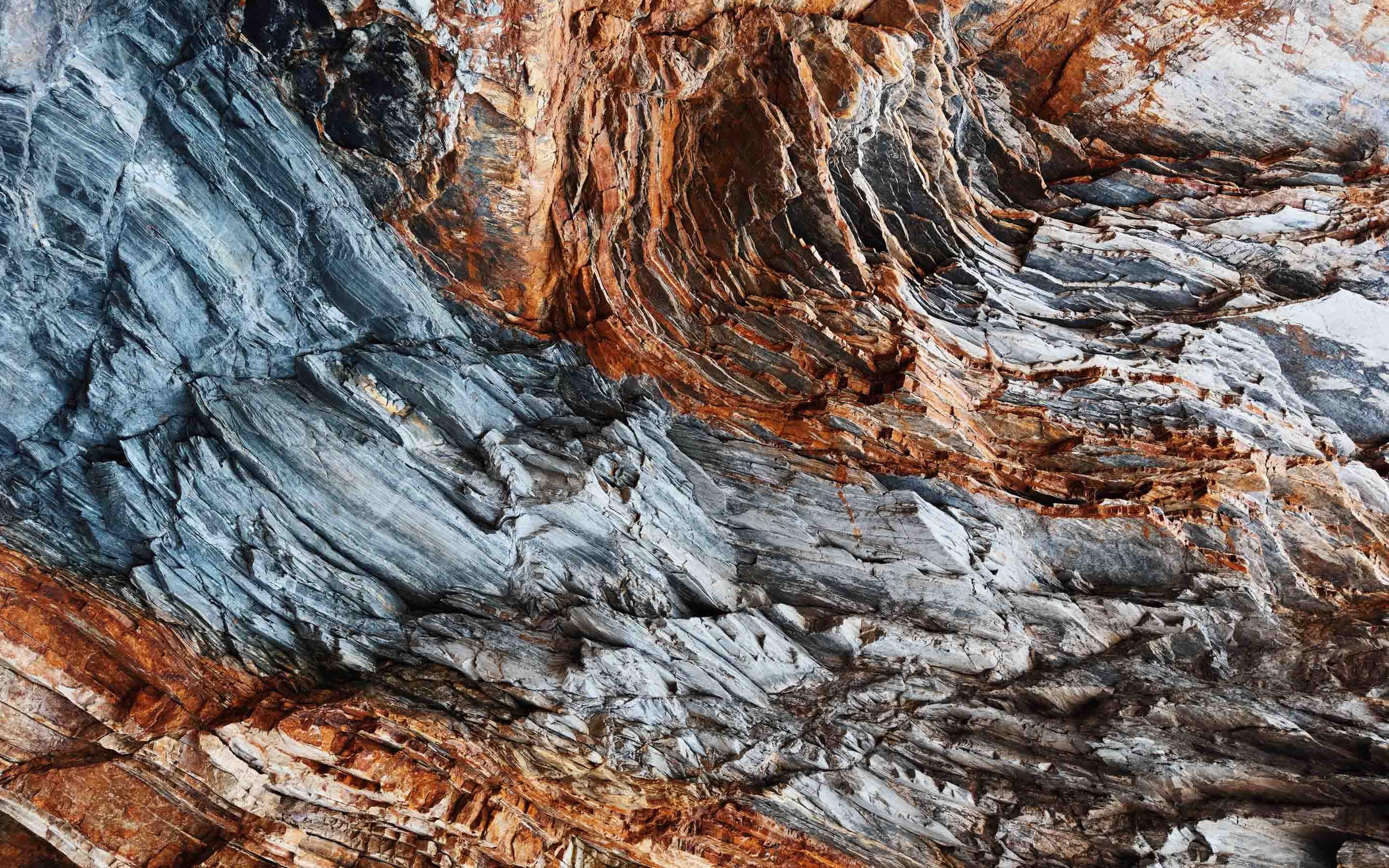
In addition to wetter winters bringing greater flood risk, prolonged wet periods can also cause geological hazards such as clay swelling or ‘heave’, as well as triggering landslip and slope failure in susceptible areas.
Conversely, hotter and drier summers raise the likelihood of subsidence. The 2022 heatwave in the UK led to an estimated £219 million in subsidence-related claims, according to figures from the Association of British Insurers.[4] These events occur when clay soils shrink during prolonged dry periods, causing ground movement that can damage building foundations. As temperatures rise and extreme weather events become more frequent, such claims may become a worsening trend rather than remaining one-off anomalies.
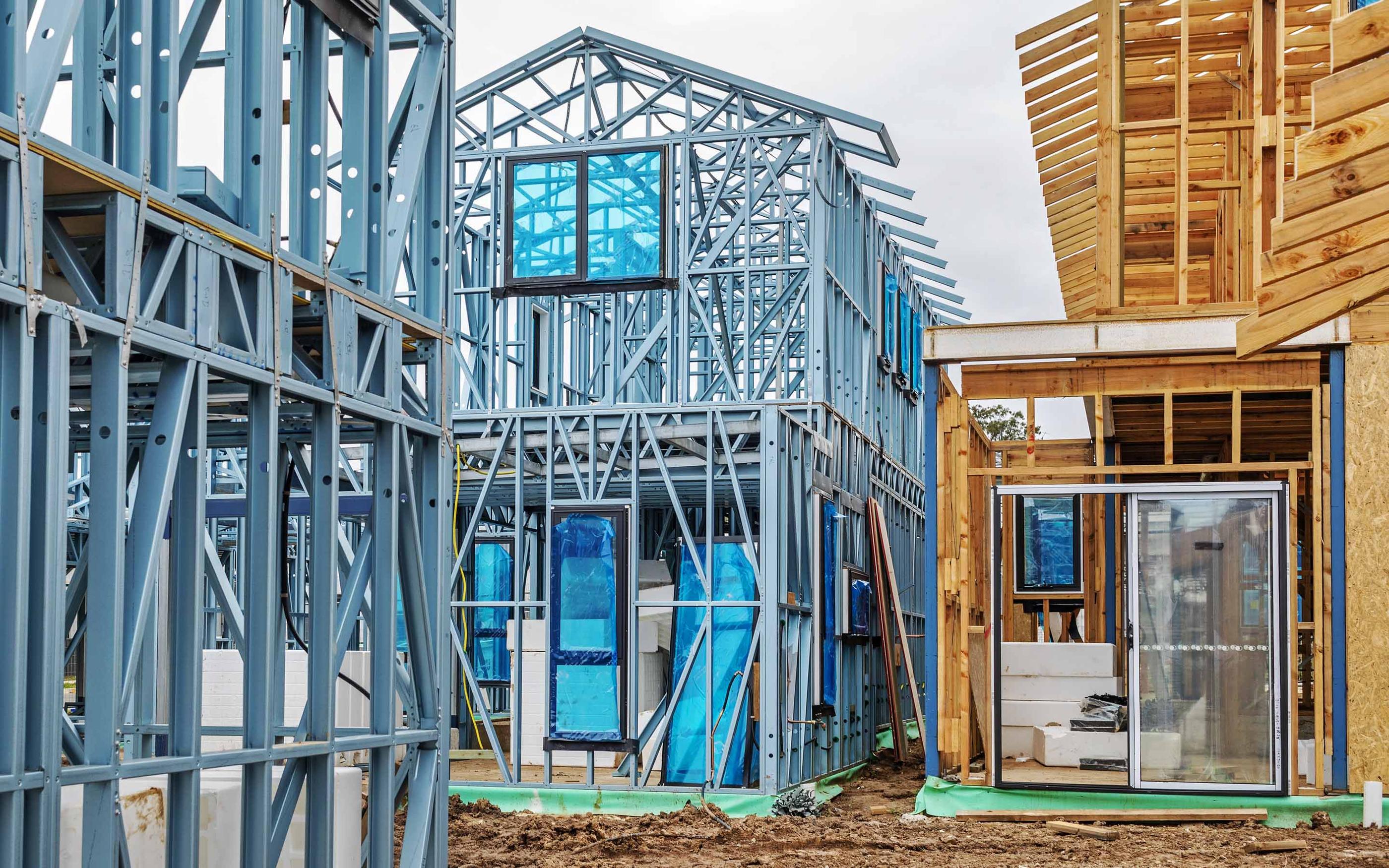
These soil-related hazards highlight the need for greater resilience in the built environment, through better foundation design for new homes and retrofitting in high-risk locations.

So, what does this mean for insurers?
In short: risk is changing, and so too must our models.
Insurers must ensure that the catastrophe models they use to price and prepare for losses reflect climate change that has already happened. This includes accounting for the changing frequency, intensity, and footprint of windstorms and floods, as well as soil conditions that influence structural stability. Achieving this requires leveraging the latest scientific research—something WTW does through the Willis Research Network.
...one in five properties in the UK is currently at risk of flooding. By 2050, that figure is expected to rise to one in four.[3]
Better models improve decision-making and help insurers plan for a wider range of extreme and uncertain outcomes, but modelling alone isn’t enough. As physical risks evolve, so must the industry’s approach to managing them. This includes supporting adaptation through updated design standards, helping homeowners understand and reduce their exposure, and working with government and planning authorities to avoid further development in high-risk areas.
The cost of protection is rising, but so too is our understanding of what drives these risks. Turning that insight into action will be critical to maintaining a healthy and sustainable home insurance market in the UK.
References
- WTW. WTW Natural Catastrophe Review July - December 2024. (2025). Return to article
- Priestley, M. D., et al. Forced trends and internal variability in climate change projections of extreme European windstorm frequency and severity. Quarterly Journal of the Royal Meteorological Society, 150(765), 4933-4950. (2024). Return to article
- Environment Agency. National assessment of flood and coastal erosion risk in England 2024. (2025). Return to article
- Insurance Times. Summer 2022 heatwave saw surge in subsidence payouts – ABI. (2023). Return to article
Contact

Authors




In short: risk is changing, and so too must our models.