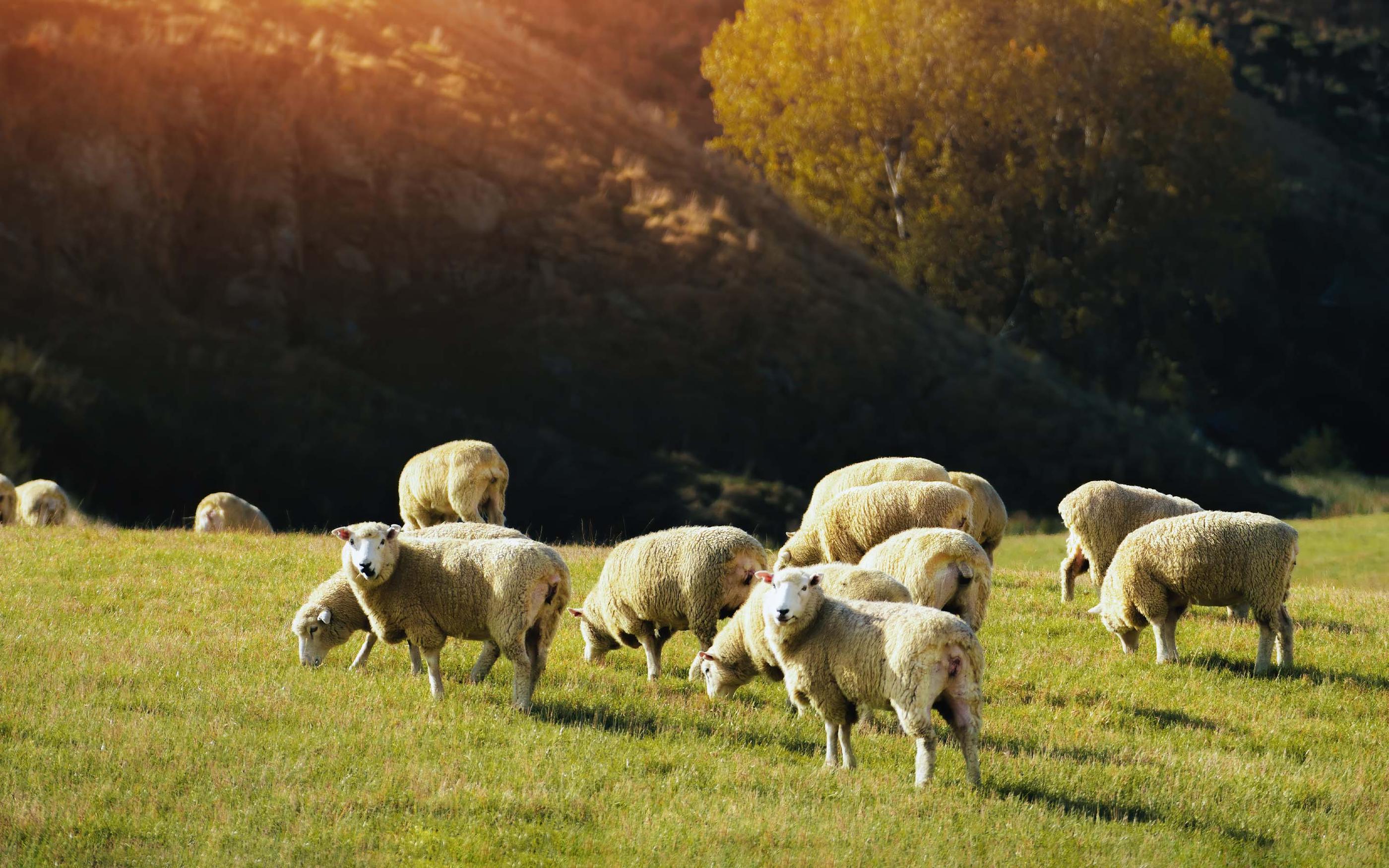
Over the last year, a new and virulent strain of the blue tongue virus – BTV-3 – has swept across northern Europe. First reported in the Netherlands, cases have since been identified across Belgium, France, Germany, Denmark and the UK.
The disease, which affects all cloven-hooved ruminants, including cattle, sheep and deer, can cause fever, swelling of the mouth, cyanosis (blue tongue), haemorrhages, and miscarriages. Although it does not affect humans or food safety, it increases animal mortality, and lowers milk yields and birth rates. Efforts to contain the virus mean restrictions on animal movements and imports, and increased health testing, vaccination and welfare costs.
Spread by the bite of the Culicoides midge, BTV was previously confined to tropical and sub-tropical areas of the world. It then became endemic in Mediterranean countries before moving further north as the warming climate created ideal breeding conditions for disease-bearing insects, such as midges. One study suggested that an outbreak currently expected in northern Europe once every 20 years could become a near-annual occurrence by the 2070s in a worst-case climate change scenario. [1]
Vector-borne diseases are a global threat
Other insect vectors of animal disease, such as mosquitoes, flies and ticks, are also increasing in range and number in temperate zones of North America and Asia. This could lead to further changes in disease patterns and a greater potential for future animal pandemics if new strains of pathogens emerge.
As well as hitting livestock owners, shifts in vector-borne diseases could reduce the supply of animal products and push up costs for food processing and manufacturing companies, and consumers. Any disease that makes meat or dairy products unsafe for consumption could be devastating for the sector and for public health.
How to mitigate the risks of an outbreak
Farm businesses will need to develop a deeper understanding of potential disease threats and recognise the signs of a wider range of illnesses than they have been used to. Early risk forecasting, accurate disease detection, along with efficient strategies for disease control, will become increasingly vital.
As well as vaccinating animals where vaccines are available, practical measures include:
- Removing animals from areas where vectors can breed, such as rivers, ponds and mudheaps
- Quarantining susceptible animals during times of high insect activity
- Using misting and cooling systems to make animals less attractive to insects.
Insecticides are thought to have limited effect as they do not kill insects quickly enough to prevent bites.
Insurance and animal disease
Insurance can cover the costs associated with animal mortality, including clean up and removal of diseased carcasses. However, policies typically do not cover livestock owners for business interruption costs caused by disease.
Further down the supply chain, food processing and manufacturing companies may also be left exposed. Obtaining contingent business interruption insurance for the costs of supply chain disruption related to animal disease is challenging, so business continuity plans for disease outbreaks are essential.
WTW’s food, beverage and agriculture team are helping businesses affected by animal disease reduce their exposures to the risks and bridge gaps in their cover through innovative use of extensions to property and liability policies, as well as specialist livestock insurance.
Our specialists can help you understand, quantify and mitigate your risks, providing a single point of access to hundreds of global insurance markets, as well as advanced risk analytics.
Conclusion
Outbreaks of insect- and vector-borne diseases, such as BTV, may become more common as weather patterns change around the world. Food and farm businesses need to be aware of a wider range of disease threats and take early action to prevent infection and mitigate the impact if an outbreak occurs.
Where risks need to be transferred, WTW can help tailor cover to individual needs and close exposure gaps left by existing policies.
Footnote
Author
Contacts


Bloodstock and Equine Insurance
Our specialist Bloodstock team provide tailored insurance solutions to give you peace of mind.