
Over the past five years, there has been a growing focus on the health and wellbeing of employees, including their physical, emotional, social and financial wellbeing. As costs rise and emerging regulations come into play, employers are putting more effort into managing wellbeing risks and protecting business value.
- A shared mindset with aligned behaviors, enabled through leaders and managers
- Made real through programs, policies and practices
- Accelerated through connections to total rewards, careers, benefits, and work and safety practices
- Embedded in the employee experience and culture, reflective of corporate values
Wellbeing has been identified as one of the top issues of concern for Boards of Directors, showing its significance in today’s work environment. Although there’s been some progress in how much employees feel their wellbeing is valued by their leaders, there is still a notable difference between average and high-performing companies.
Recent research on drivers of High Performance Employee Experience (HPEX) shows a significant shift, with wellbeing emerging as an "Essential" element of the employee experience.
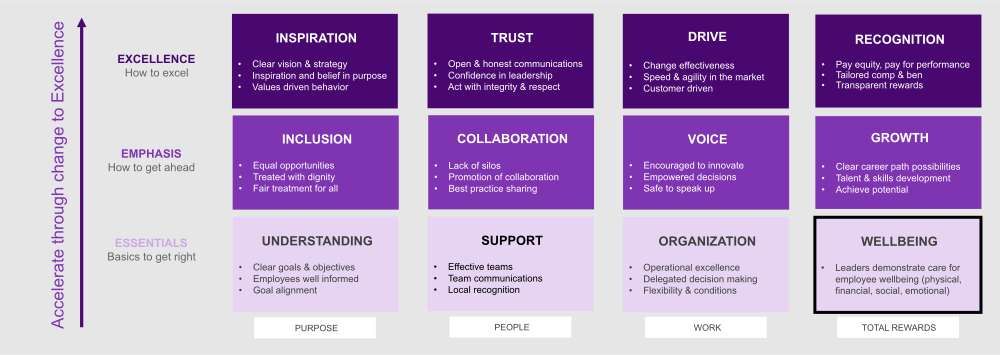
WTW's High Performance Employee Experience framework is a strategic compass to help leaders identify strengths and vulnerabilities that impact business value
High-performing organizations are looking beyond just physical health and safety; they adopt a comprehensive approach that covers physical, emotional, social and financial aspects of wellbeing.
To improve wellbeing, high-performing organizations don’t just tweak benefits, they embed wellbeing deeply within their employee experience - fully integrating it into their human capital strategy, culture, and employee value proposition (source: 2024 Wellbeing Diagnostic Survey, Global). This method results in less burnout, absences, presentism, attrition, and to higher levels of engagement, and business results.
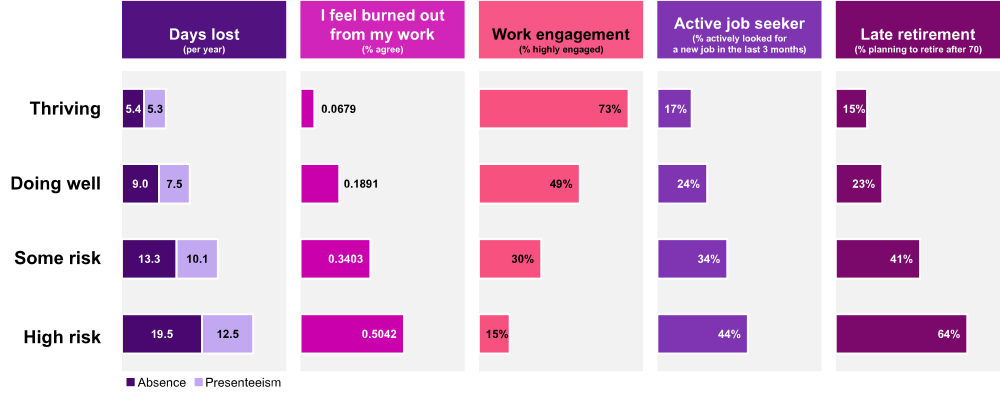
Better wellbeing is associated with higher levels of retention, engagement and employee performance
Sample: Full-time employees only.
Source: 2024 Global Benefits Attitudes Survey, United States
High-performing organizations are shifting from a focus on individual resilience to one that addresses the interaction between the individual and the organization. They use employee listening and data analytics to craft solutions that address challenging elements of the employee experience and focus actions to support employee wellbeing outside of work.
By integrating wellbeing into their human capital strategy, HPEX organizations are intentional about creating a culture of wellbeing and the experience it creates to draw, engage and keep the talent they need for future success.
Five strategies for enhancing employee wellbeing from high-performing organizations
- Integrate wellbeing into your total rewards strategy and Employee Value Proposition (EVP)
High-performance organizations recognize the importance of employee wellbeing within their total rewards strategy as a core component of their EVP. By actively listening to what employees value and need, companies can tailor their EVP to include wellbeing initiatives that resonate on a personal level. Demonstrating how wellbeing is woven into the fabric of the company through real-life examples and stories helps solidify this commitment, enhancing the overall employee experience. - Ensure easy access to wellbeing resources
Employees should have straightforward access to wellbeing resources that matter most during critical moments. High-performing companies are creating digital hubs where employees can find everything from flexible work arrangements and financial support programs to health coaching and managerial training. This centralized access helps employees and their families connect with relevant, personalized information effortlessly, mirroring the convenience they experience in their everyday digital interactions. - Prioritize financial wellbeing
While emotional and mental health support has seen significant improvement, there's a growing need to focus on financial wellbeing, a top concern for many employees. Understanding the specific financial challenges and needs of your employees can guide the development of targeted support programs. By leveraging tools like surveys and AI-powered focus groups, organizations can gain valuable insights into the financial pressures employees face and offer meaningful assistance that addresses these concerns.
59%of employees want more help with financial wellbeing
Source: 2024 Global Benefits Attitudes Survey
- Craft a compelling wellbeing narrative
Developing a clear and engaging narrative around wellbeing helps align and motivate everyone in the organization, from leadership to frontline employees. Regular communication from leaders and comprehensive manager training on wellbeing are crucial. These efforts ensure that the wellbeing message is not only heard but also ingrained in the company culture, encouraging daily engagement with wellbeing practices. - Celebrate and empower wellbeing champions
Identifying and celebrating champions of wellbeing within the organization plays a vital role in fostering a supportive work environment. By recognizing leaders and managers who exemplify and promote wellbeing principles, companies can encourage a culture of health and support. Additionally, cultivating a network of wellbeing ambassadors across the organization can help sustain and energize wellbeing initiatives.
High-performing organizations recognize that integrating employee wellbeing into their core strategies is essential for sustainable success. By focusing on these five areas, organizations can create a supportive environment that promotes overall employee wellbeing, aligns with business goals, and enhances organizational performance.
Improve your EX and financial performance
Talk to an EX expert on leading your organization toward high-performanceCAMPAIGN
High Performance Employee Experience (HPEX)