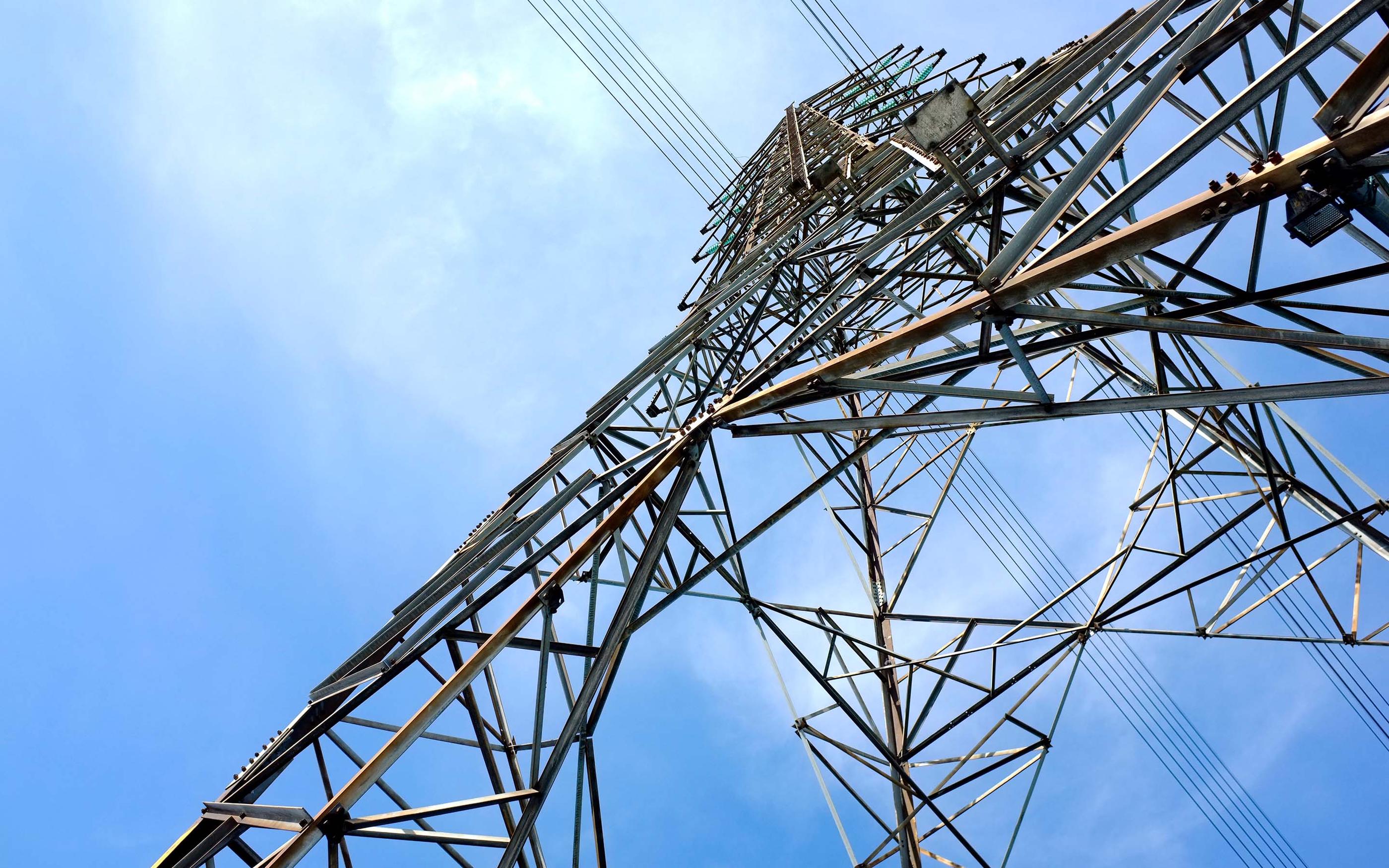
With no transmission, there will be no transition
Key takeaways
- Transmission companies have been swimming against the tide, facing pressures to supply growing demand, connect renewables at scale, manage intermittency and reliability—all without sufficient capital to upgrade networks.
- Events in the U.K., Spain and Portugal cast a spotlight on failures, but transmission remains a profitable risk for insurers who are keen to write risks into their portfolios.
- Controlling insurance costs, showcasing risk information to insurers and investing in data and analytics are three key ways transmission companies can build resilience into five-year plans.
While investment in renewables has been increasing rapidly – nearly doubling since 2010 – global investment in grids has barely changed, remaining static at around $300 billion per year. In a scenario consistent with meeting national climate goals, grid investment needs to nearly double by 2030 to over $600 billion per year after over a decade of stagnation at the global level.
The need to invest in upgrading transmission networks is clear.
Transmission companies are caught in a paradox: tasked with enabling the energy transition, but underfunded and overburdened.
Top challenges in key regions
Transmission companies are in the eye of the storm
Regulation is struggling to balance investments and costs: Post energy crisis, regulators are capping charges and setting tight budgets. This is directly limiting transmission companies’ five-year plans.
Capital is largely tied up in repairing and maintaining existing networks and there’s little left to invest in new infrastructure.
Capital for investment in new infrastructure is limited: In the U.S., 70% of transformers are over 25 years old, and in Europe, 25–35% of low-voltage lines are over 40 years old. These aging systems were designed for one-way electricity flow and are ill-equipped for modern, decentralized, and bidirectional energy systems. Existing transmission infrastructure has been operational beyond the original lifespan and capital available to upgrade networks is scarce. This is increasing the risk of plant failure.
Lead times are exposing fragile infrastructure to interrupted supply: Transmission networks span entire countries and connect across regions. The infrastructure is major. And planned maintenance and upgrades come with long lead times that are out of transmission companies’ control. Transformer waiting periods are reaching 36 months, leaving aging assets exposed to failures and networks exposed to interrupted supply, often without available spares.
The five-year model is out of step: Major risks to power supply chains, such as natural catastrophes and geopolitical headwinds, are difficult to predict on the long-term horizon. Building this into a five-year forecast is a major challenge, but transmission companies have no option but to align with these timelines set by regulators. And as power companies are appealing to regulators for budget in years to come, it’s difficult to make accurate forecasts which are leaving power and transmission companies undercapitalized.
These challenges are at odds with transmission risks for insurers
Despite the noise of this year’s high-profile power failures in the U.K., Spain and Portugal which gained traction as news stories across international media, transmission remains a profitable risk for insurers.
Transmission networks rarely concentrate high-value assets in one place, which limits the financial loss of property damage in any single location. Underwriters maintain a strong appetite to write these risks into their portfolios. Pricing remains competitive for transmission risks, and there are opportunities to build the lowest possible total cost of risk, freeing up capital to invest in infrastructure and growth.
Building resilience into five-year plans: Three actions to take
As pressures on power grids and transmission companies intensify, risk leaders have a critical role in building resilience for the short- and long-term.
After modelling exposures, building the optimal risk strategy is a critical next step. Using an old and siloed risk strategy is unsustainable. A balance of risk retention and transfer is critical to protect assets in the short-term, while building a sustainable business model for the five-year horizon. Data and analytical models – such as Connected Risk Intelligence – can help clients build the most efficient risk strategy that balances risk retention and transfer for the entire portfolio of risk.
Market cycles change and pricing dynamics can swing, but making informed decisions, backed by data, can help transmission companies withstand volatility.
Download the full article to find out how risk and insurance can help you build resilience.
Download
| Title | File Type | File Size |
|---|---|---|
| Future-proofing transmission: Why the five-year plan needs a rebootPDF | .4MB |
Authors