SPEAKER: Welcome to Global Marketplace Insights by Willis, a WTW Business, a podcast series showing the latest trends from the specialty and regional insurance markets.
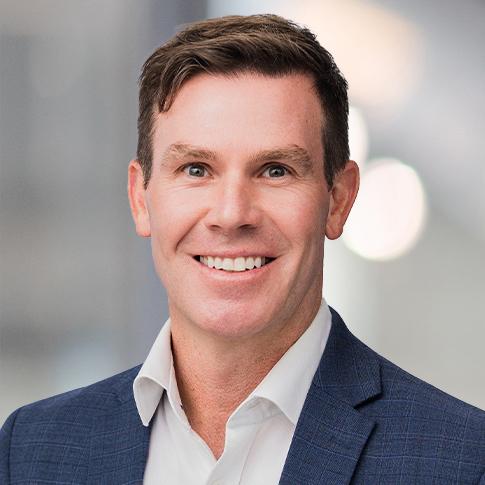
TRENT WILLIAMS: Hello and welcome back to the Marketplace Insights podcast series, where we are discussing the current state of the market for global construction. I am Trent Williams, Head of Broking for Global Construction.
And as we move into 2026, the global construction market continues to navigate a complex risk landscape. Geopolitical impact on supply chain, skilled labor shortages, rapidly evolving technology, as well as cybersecurity, all have a material impact on project delivery. We are seeing strong competition for risk in most regions across all product lines, excluding North American casualty, which still has its challenges.
Limits being sought are increasing and need to access the global direct and facultative market, regardless of project location, is crucial. The 2026 period will be defined by significant opportunities within both the digital and physical infrastructure space, which are driving activity across all of the regions.
And if I break it down by region, starting with North America, the market is stabilizing, with increased capacity and reinsurance support. While workers' compensation is a strong performer with declining claims frequency, other areas like auto and excess liability continue to see rate increases driven by nuclear verdicts and rising loss costs, understandable given the litigious environment they are operating in.
For Europe and Great Britain, markets are showing signs of stabilization and selective softening, particularly for well-managed risks. While the focus in Europe is shifting towards retrofitting and energy transition, Great Britain is seeing an improvement in professional indemnity capacity, although complex engineering and high-rise projects still face rigorous oversight regarding fire and water damage.
In Asia-Pacific, starting with Asia, the outlook for Asia remains robust, characterized by an abundant insurance capacity being available and a strong appetite for project risks across major industries. In Australia, we anticipate modest but improving growth, with a notable recovery in the residential sector, spurred by government-led affordable housing initiatives.
In Latin America, we are managing a robust portfolio of large-scale programs throughout Brazil, Mexico, and Chile. Investment will continue, and it will flow steadily into renewable energy, logistics infrastructure, and industrial.
If I break it down by product, contractors all risk or builders risk, depending on what part of the world you're in, is where most of the competition lies. Data centers leads the way, and most insurers have increased their capacity significantly to cater for the very large insurance limits that are being sought.
But beyond data centers, physical infrastructure, refurbishments, retrofitting, and energy transition remains paramount. Competition will remain, and you will see flat to -10%. The casualty market, North America aside, remains stable. Capacity loss through the last hard market has returned, and competition globally is available. We expect flat to minimal reductions going forward.
And finally, professional indemnity, where capacity has been really strained in previous years, has returned to a competitive state. Still a lot of caution, and we look really closely at technical lead underwriters and who are able to lead complex programs, whether it be annual or multi-year programs.
We anticipate flat to very minor increases on PI, apart from regions like Australia, which are seeing reductions. We look forward to seeing how the year unfolds, and we'll update you again after the midway point of the year. Thank you for your time, and we look forward to talking to you at the next one. Thank you.
SPEAKER: Thank you for joining this WTW podcast, featuring our latest global market commentary. WTW offers insurance-related services through its appropriately-licensed and authorized companies in each country in which WTW operates. For further authorization and regulatory details about our WTW legal entities operating in your country, please refer to our WTW website.
It is a regulatory requirement for us to consider our local licensing requirements. The information given in this podcast is believed to be accurate at the time of publication. This information may have subsequently changed or have been superseded and should not be relied upon to be accurate or suitable after this date.
This podcast offers a general overview of its subject matter. It does not necessarily address every aspect of its subject or every product available in the market. And we disclaimer all liability to the fullest extent permitted by law.
It is not intended to be and should not be used to replace specific advice relating to individual situations. And we do not offer and this should not be seen as legal accounting, or tax advice. If you do intend to take any action or make any decision on the basis of the content of this podcast, you should first seek specific advice from an appropriate professional.