Gen Z protests in South and Southeast Asia
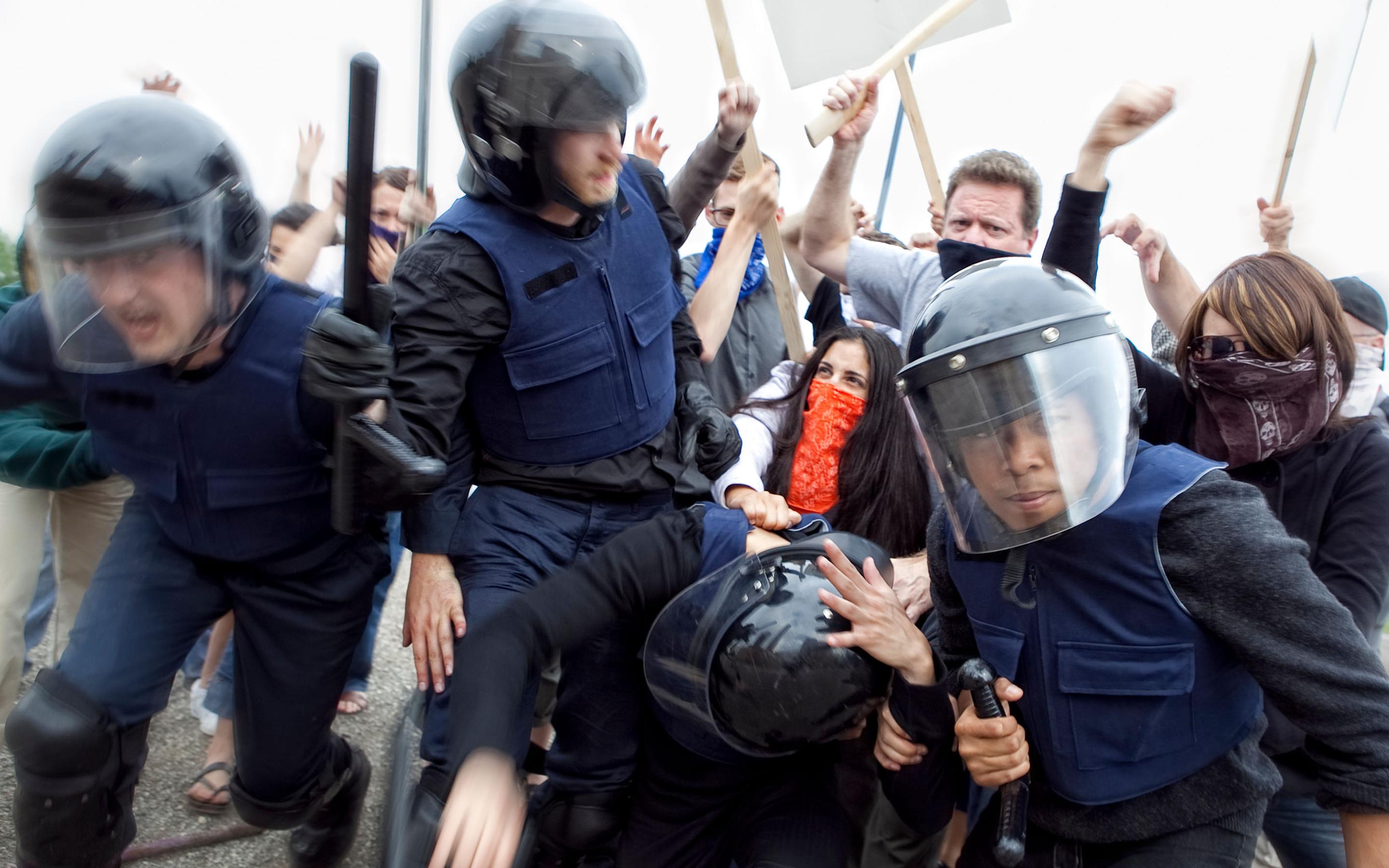
In 2025, demonstrations, coined as an Asian Spring, swept across South and Southeast Asia, sparked by controversial government decisions and underpinned by protracted issues such as poor economic conditions and endemic corruption. Initially peaceful demonstrations rapidly escalated into more intense, large-scale anti-government movements, which in some cases involved protest-related damage to infrastructure and severe business disruption. Although the protests have subsided, many of the underlying drivers remain, with recent events highlighting the risk that future disputes could trigger swift and significant disruptions to business operations.
Youth protests proliferate
Generation Z (Gen Z – individuals born between 1997 and 2012) were fundamental in organizing the protests, including many early demonstrations at university campuses. Their involvement can be attributed to a combination of the region’s youthful demographics and the disproportionately high impacts that government corruption, economic mismanagement, unemployment, and inequality have on this generation.
Since August, Nepal, the Philippines, Indonesia, Timor-Leste, and the Maldives all experienced large and often violent protests as demonstrators were met by security forces who deployed teargas, established blockades, and made mass arrests. The outcomes have differed markedly. In Nepal, thrice serving Prime Minister K. P. Sharma Oli and his administration fell within days, whereas in both Indonesia and Timor-Leste a reversal of the triggering government decision was a significant factor in movements abating. Protests in the Philippines and the Maldives are ongoing.
Although recent months have seen a flurry of Gen-Z-led protests, the first and, so far, most consequential occurred in Bangladesh in 2024. A decision to limit merit-based civil service jobs sparked student protests which, when met with a violent crackdown, developed into a countrywide movement, resulting in at least 1,500 deaths and ending with the resignation and exile of 15-year incumbent Prime Minister Sheikh Hasina.
Recent case studies
- Period of unrest: 6 June - 5 Aug 2024
- Trigger: Civil service quotas
- Key underlying factors: Authoritarianism, human rights abuse, economic conditions
- Main protest actions: Demonstrations, non-cooperation, rioting
- Government response: July massacre, curfew, mass arrests, internet shutdown
- Outcome: Prime Minister and her government resign
- Period of unrest: 25 Aug – 9 Sep 2025
- Trigger: MPs’ housing allowance
- Key underlying factors: Cost of living, corruption, accountability
- Main protest actions: Demonstrations, rioting, looting
- Government response: Mass arrests, partial meeting of demands, police officers suspended
- Outcome: Reduction in allowances, police reform proposal
- Period of unrest: 4 Sep 2025 – present
- Trigger: Flood control project corruption
- Key underlying factors: Corruption, economic mismanagement
- Main protest actions: Demonstrations, sit-ins, strikes
- Government response: Ministerial resignations, independent commission for infrastructure established
- Outcome: Ongoing protests
- Period of unrest: 8 – 13 Sep 2025
- Trigger: Shutdown of social media
- Key underlying factors: Corruption, accountability, transparency, nepotism
- Main protest actions: Demonstrations, rioting, looting
- Government response: Curfew imposed, live ammunition deployed
- Outcome: Government resigned, Parliament dissolved
- Period of unrest: 15 – 17 Sep 2025
- Trigger: Plan to buy vehicles for MPs
- Key underlying factors: Lawmakers’ benefits
- Main protest actions: Demonstrations, arson
- Government response: Demands met
- Outcome: Vehicle purchase cancelled, MPs’ lifetime pensions abolished
- Period of unrest: 20 Sep 2025 – present
- Trigger: Media control laws
- Key underlying factors: Corruption, local authority restrictions, cost of living
- Main protest actions: Demonstrations
- Government response: Arrests
- Outcome: Protests ongoing
Similarities
The central role played by Gen Z activists and the nature of their grievances are the two most visible and interrelated factors observed across the recent South and Southeast Asia protests. The region has a youthful population, meaning that issues which resonate amongst this demographic have more chance of gaining traction, and of the 10 regional countries with the highest percentage of people aged between 15 and 24, four have seen youth-led protests so far. The susceptibility of these countries to youth-led protests can also, at least in part, be explained by high youth unemployment, with Nepal and Indonesia, where most citizens are under 30, as well as the Maldives, all experiencing significantly higher rates than the regional average.
The regional demographics result in large proportions of society being sensitive to governmental decisions that have actual or perceived negative impacts on their already precarious economic situation. Consistent across all affected countries, protests were triggered by a single governmental decision, which, due to their likenesses, can be grouped into just two categories. In Indonesia, the Philippines, and Timor-Leste, the decisions were viewed as driven by lawmakers’ seeking to gain financially, and in Bangladesh, Nepal, and the Maldives, they were perceived as threats to personal freedoms and liberties.
Further to these most prominent characteristics of the unrest, numerous other underlying factors were also present, including concerns over corruption, and wealth inequality. Corruption is a known issue, with 64% of countries in the region ranked as more corrupt than the global average, according to the 2024 Corruption Perceptions Index, including recently Gen Z protest-afflicted Bangladesh, the Philippines, Nepal, Indonesia, and the Maldives (see Figure 1). Meanwhile, the Philippines, Maldives, and Nepal all also place highly amongst the countries in South and Southeast Asia which suffer from high levels of wealth inequality.
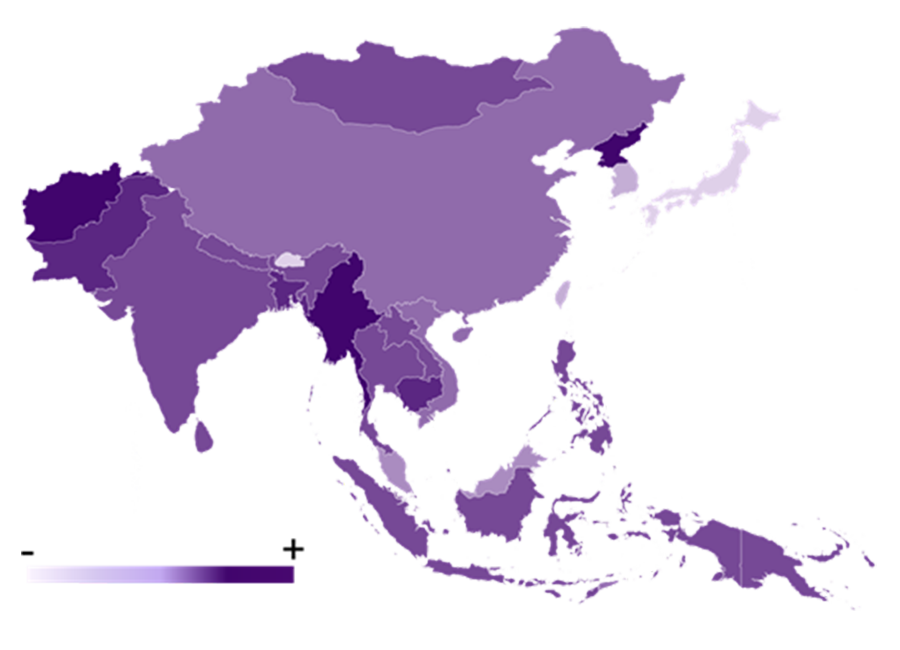
Figure 1. Corruption perceptions index 2024
Source: Transparency International
In addition to sharing common underlying drivers and triggers, protests across the region were also seen to escalate in much the same way. All involved initially peaceful demonstrations demanding reversals of, or investigations into, specific laws, reforms or incidents. However, in every instance, these protests very quickly expanded to include many of the other underlying grievances mentioned, that are common across the region.
Differences
Despite numerous similarities, the protest movements that developed across various countries remained separate events, with links limited to expressions of solidarity. This has included the hashtag #SEAblings, which emerged following the death of a taxi driver run down by a police vehicle in Indonesia. Additionally, during protests in Jakarta, the 'One Piece' pirate flag, which has appeared worldwide, was flown and has been visible at subsequent demonstrations in Asia.
Governmental response has been a key difference. In Bangladesh, efforts to quell the youth-led quota reform movement included the state-directed July Massacre (16 Jul – 5 Aug 2024), which saw military personnel, police officers, and the youth wings of Hasina’s Awami Party kill over 1,500 people. Nepal’s government also employed lethal violence. This triggered widespread looting, rioting, and arson, often targeting the physical manifestations of the state.
In both Nepal and Bangladesh, the decision to use lethal force was highly likely the determining factor in the fall of the two countries’ respective governments. Conversely, in Indonesia and Timor-Leste, although violence was employed by the state, the announcement to reverse the triggering decision has seen protests dissipate.
Economic and business impact
The financial impacts of the aforementioned unrest varied significantly. Unsurprisingly, foreign and local businesses located in jurisdictions that experienced the most violent protests suffered the most severe economic losses and business impact, both direct and indirect. In Nepal, luxury global hotel brands, the Hilton and the Hyatt Regency, were damaged by protestors, forcing closures of premises for a number of days. In Indonesia, certain major malls and their tenants were required to temporarily suspend operations, contributing to the estimated $33 million in lost sales over the period of unrest. Similarly, in Bangladesh, the more severe unrest resulted in an estimated $10 billion of losses, with at least 183 garment factories closing, resulting in global fashion retailers facing supply chain delays and, in some instances, forcing a temporary relocation of production lines.
Whilst these were some of the immediate economic and business consequences of the protests, the longer-term impacts are yet to be realized, particularly in Indonesia and Nepal. Both have significant tourism industries, and saw foreign indirect investment in their respective countries drop drastically, with longer-term growth rates slowing slightly, reflecting investor caution.
Aside from the direct and indirect financial consequences, the unrest in the region also caused severe travel disruptions, impacting business operations. In Nepal and Bangladesh, flights in and out from Tribhuvan International Airport (KTM) and Hazrat Shahjalal International Airport (DAC) were temporarily suspended during the unrest. In all incidents, major embassies issued travel warnings, urging citizens to reconsider travel plans and avoid protest hotspots, whilst the targeting of international hotels forced traveler relocation and elevated the risk to guests of these establishments.
Business mitigation
To effectively mitigate the risks associated with civil unrest, organizations should adopt a comprehensive approach that begins with proactive threat monitoring and risk assessment. Monitoring sociopolitical developments, social media, and local intelligence sources helps identify potential triggers for unrest near business operations. Organizations should develop tailored response plans for high-risk locations, ensuring reliable communication channels and conducting regular drills to test vulnerabilities and response procedures. Risk assessments should identify known threat actors, vulnerable locations, and individuals at higher risk, while scenario-based planning helps determine appropriate mitigation and insurance measures.
Business continuity planning is essential, including options such as remote work, adjusted operating hours, and enhanced security. Staff must be trained in legal rights, emergency procedures, and communication protocols. Planning for supplies and security equipment is recommended for high-risk sites, and clear communication with staff, suppliers, and customers about anticipated disruptions is vital.
During periods of unrest, property protection measures should be escalated according to the threat level. For peaceful protests, organizations should secure all entry points, monitor for suspicious activity, and ensure surveillance and fire systems are operational. In more disruptive situations, additional security installations, lockdown procedures, and safeguarding of critical assets are necessary. Command and control should be maintained by a crisis management team, with ongoing communication to staff and stakeholders, and thorough documentation of incidents.
Staff located in, or travelling to, areas deemed to be high-risk should receive specialist personal safety training, equipping them with the skills and knowledge needed to mitigate the risk. If travel is unavoidable, relevant journey management protocols and evacuation plans should be implemented alongside continuous monitoring of the situation.
After unrest subsides, organizations should assess and document damages, review safety and operational requirements, and engage with insurers promptly. Providing mental health support to affected staff and evaluating the effectiveness of the response are crucial steps. Lessons learned should inform updates to security measures and preparedness plans, ensuring resilience against future incidents.
In the event that you are concerned about any of the issues discussed in this article, or would like support implementing mitigation strategies for these types of events, please contact WTW’s in-house consulting practice, Alert:24, via the below contact details.
Authors
Alert:24 contacts