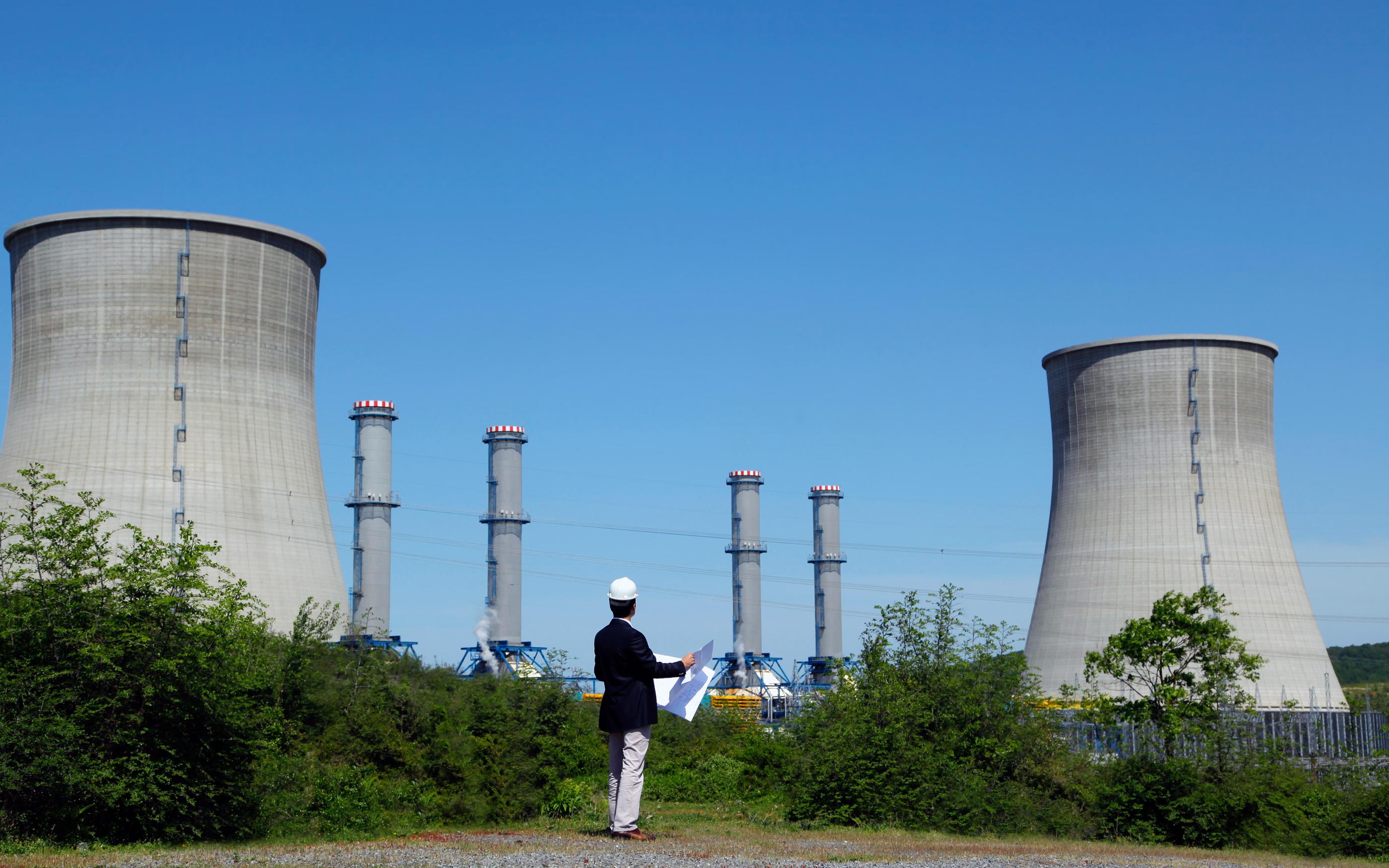
As the world accelerates its transition to low-carbon energy, nuclear power stands out as a reliable, carbon-free solution. Its ability to provide consistent baseload electricity makes it a cornerstone of sustainable energy strategies. However, the path forward for nuclear energy is shaped not only by technology and policy but also by the evolving role of insurance in managing risk and bank ability to enable growth.
The strategic importance of nuclear energy
Nuclear energy offers a dependable alternative to fossil fuels, supporting grid stability and reducing greenhouse gas emissions. It also enhances national energy security by decreasing reliance on imported fuels, shielding economies from geopolitical and market volatility. Moreover, international collaboration in nuclear technology fosters global partnerships, promoting safety, innovation, and non-proliferation.
International collaboration in nuclear technology fosters global partnerships, promoting safety, innovation, and non-proliferation.
Safety remains paramount. Lessons from past incidents have driven the development of rigorous safety standards and innovative designs in the form of advanced reactor technologies and small modular reactors (SMRs), which offer improved safety features and operational efficiency.
Regulatory and policy landscape
The regulatory environment for nuclear energy is complex, involving multiple stakeholders and stringent protocols. Encouragingly, bipartisan support in the U.S. has led to a more flexible regulatory climate, streamlining project approvals and reducing administrative barriers. However, this must be balanced with unwavering safety standards to maintain public trust and environmental protection.
A cohesive policy framework is essential. Federal and state collaboration can foster investment through incentives, public-private partnerships, and innovative financing mechanisms such as tax credits and loan guarantees. Increased funding for research and development will further drive advancements in safety and efficiency.
The nuclear project lifecycle
Developing a nuclear energy project involves several critical phases:
This phase includes feasibility studies, stakeholder engagement, risk assessments, and securing regulatory approvals. A clear execution plan and budget are established to guide the project. Nuclear insurance advisory plays a key role early in the planning process to ensure studies and lifecycle budget appropriately account for long term operational insurance costs, including obligatory nuclear liability and property insurances, as well as future costs of decommissioning insurances.
Detailed engineering plans are created, incorporating value engineering to optimize costs. Continuous stakeholder input ensures alignment with expectations and compliance with safety standards. Insurer engagement early during the design phase can ensure loss control standards are met to mitigate future design modifications or retrofitting of protection systems to meet property insurance requirements. These design features may include things like specific suppression and detection systems, oil containment mechanisms, and equipment separation to reduce a potential property claim.
A robust financial model is developed to attract investors. Legal agreements are finalized, and insurance plays a key role in mitigating financial risks, including delays in startups (DSU) and liability exposures. Nuclear insurance advisors can also play a key role during contract and loan agreement negotiations and reviews. With nuclear risks being a new endeavor for many within the supply chain and the finance community, nuclear insurance advisors can ensure contractual obligations for insurance are appropriate in coverage type, limits, and deductibles in line with what is commercially available to the industry.
Execution of the design involves mobilizing resources, adhering to strict schedules, and maintaining high safety and quality standards. Effective collaboration among contractors and project managers is vital to avoid delays and budget issues. Construction All Risk (CAR) or Builders All Risk (BAR) programs that effectively cover the unique nature of nuclear construction and include project specific extensions, like DSU, alongside robust project execution can ensure the investments made by all parties are protected.
Insurance and risk management
Insurance is integral to the financial and operational resilience of nuclear projects. While standalone cost-overrun insurance is commercially unavailable, firms like Willis are working with insurers to develop tailored products to meet the bespoke needs of each project. In the meantime, strategic risk management, such as locking in early designs and fostering collaborative project cultures can help control costs.
Advanced tools like predictive analytics enhance risk monitoring, enabling early detection of issues and proactive adjustments. Managing subcontractor risks is also critical, requiring strong contracts and performance evaluations.
Early engagement with insurers ensures that risk assessments align with project goals. Cross-industry collaboration can lead to innovative insurance solutions that address the unique challenges of nuclear energy, supporting its long-term viability.
Authors