
It’s a tough time for employees around the world. Health scares are still making their presence felt with consequences on not only physical but also mental and financial wellbeing; inflation is rising, exacerbating financial stress for many; and travel restrictions, supply chain issues and labour shortages are still disrupting business in many places.
It’s also a time of great upheaval when it comes to labour markets. Many employees are starting to question what matters most to them and look for new career opportunities.
The 2022 Global Benefit Attitudes Survey breaks down the key findings for employers across major markets in Asia Pacific, and explores how they can use their benefit strategies to support their employees through this time of great change.
Key findings
Compensation — that is, pay and bonus — is key when it comes to attraction. Job security, paid time off, flexible working, and a sense of purpose are also important employee attraction and retention factors.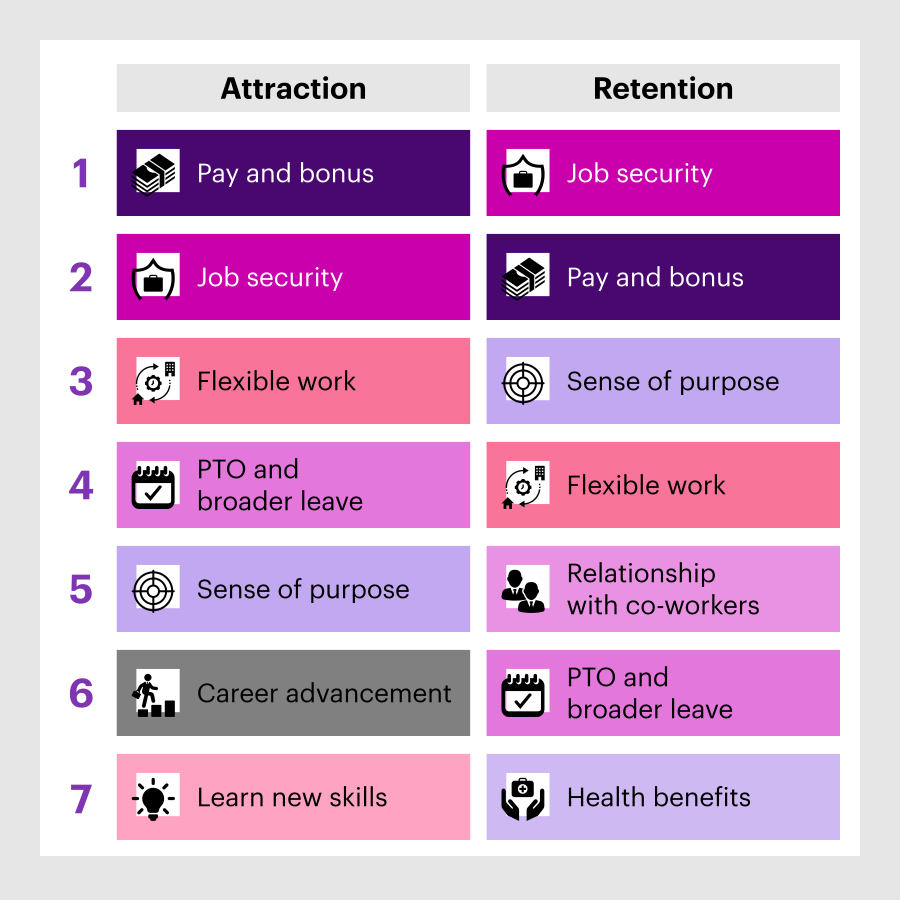
Figure 1. Top attraction and retention factors in Asia Pacific
In many markets in the region, the importance of health and retirement benefits as attraction and retention tools has reached a 10-year high.
Retirement and healthcare benefits also play an increasingly important role in employee decisions to stay or leave. In many markets in the region, the importance of health and retirement benefits as attraction and retention tools has reached a 10-year high.
Wellbeing is an increasing concern — one in eight employees report issues in all wellbeing dimensions. While physical wellbeing has improved and emotional wellbeing marginally so, many employees are seeing their levels of financial and social wellbeing deteriorate.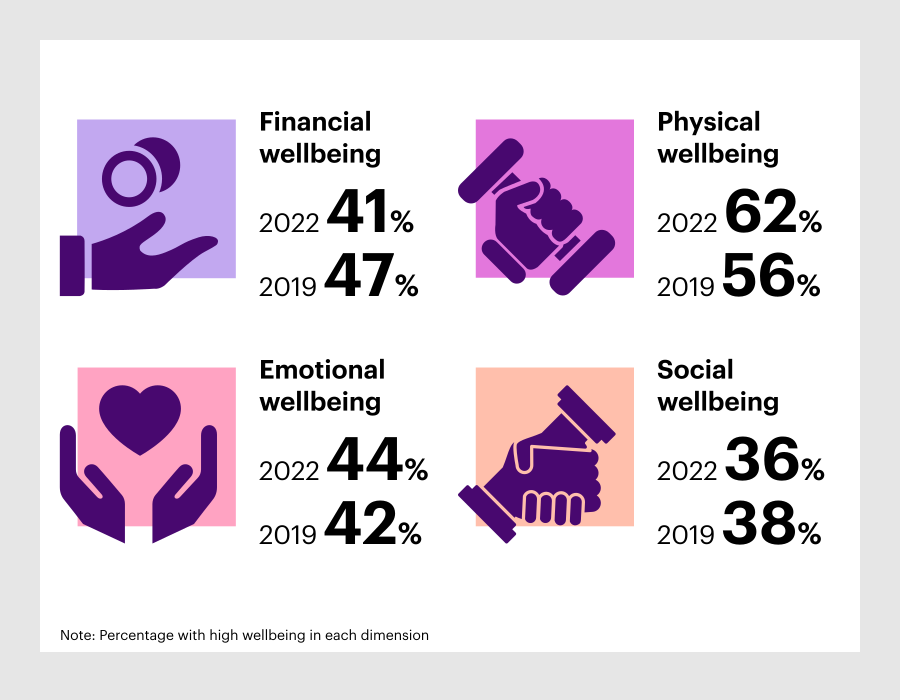
Figure 2. The state of wellbeing among Asia Pacific employees
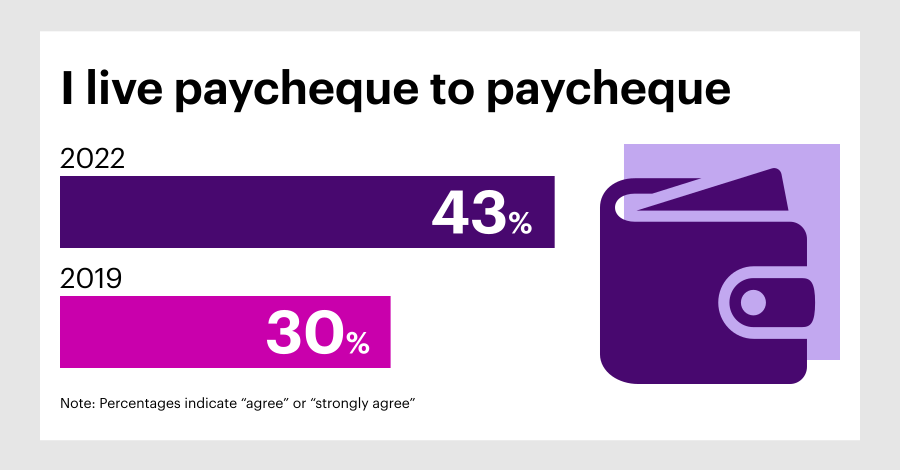
Figure 3. Financial wellbeing has deteriorated for Asia Pacific employees since 2019
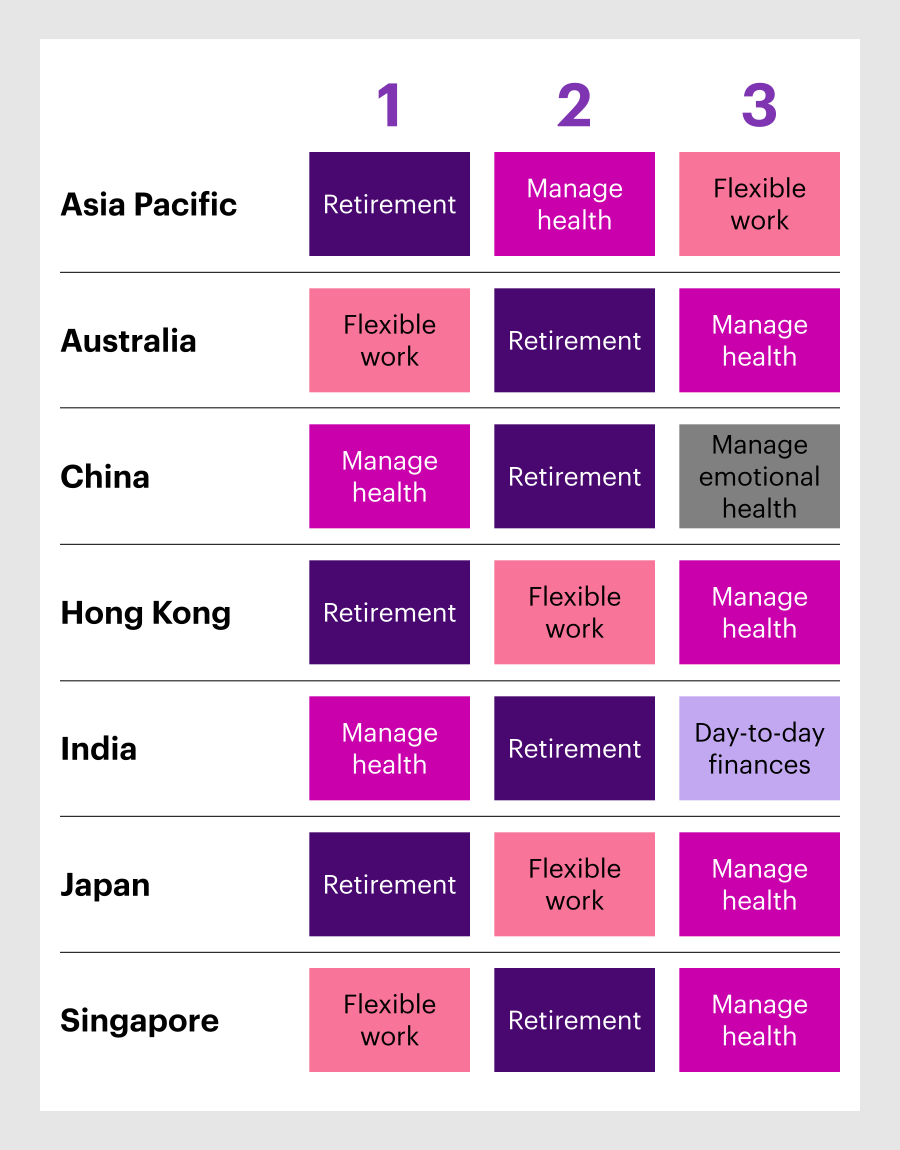
Figure 4. Top three benefits Asia Pacific employees want their employers to focus on
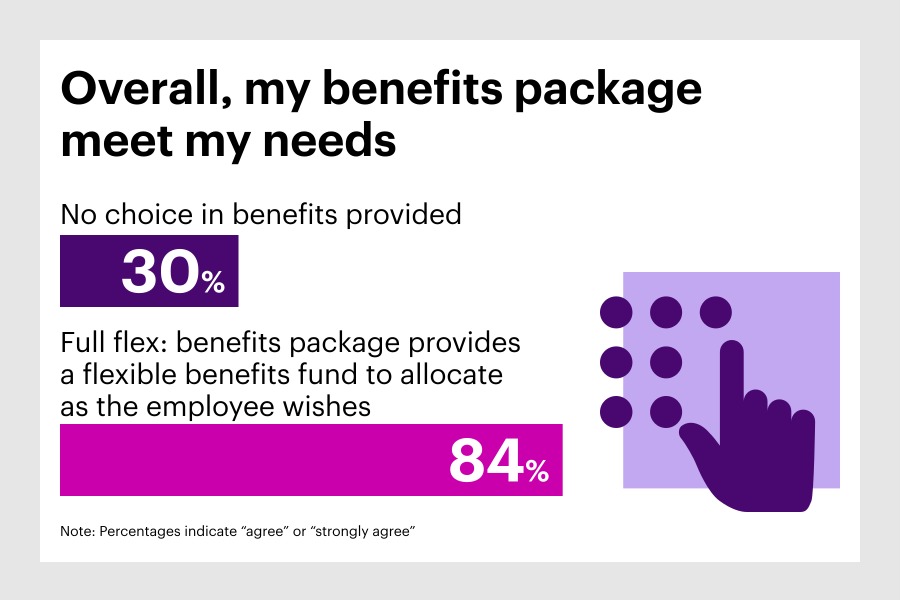
Figure 5. Delivering choice improves benefits appreciation
For more details, please complete the form on the right to access the full executive summary.
Contact our experts for more details