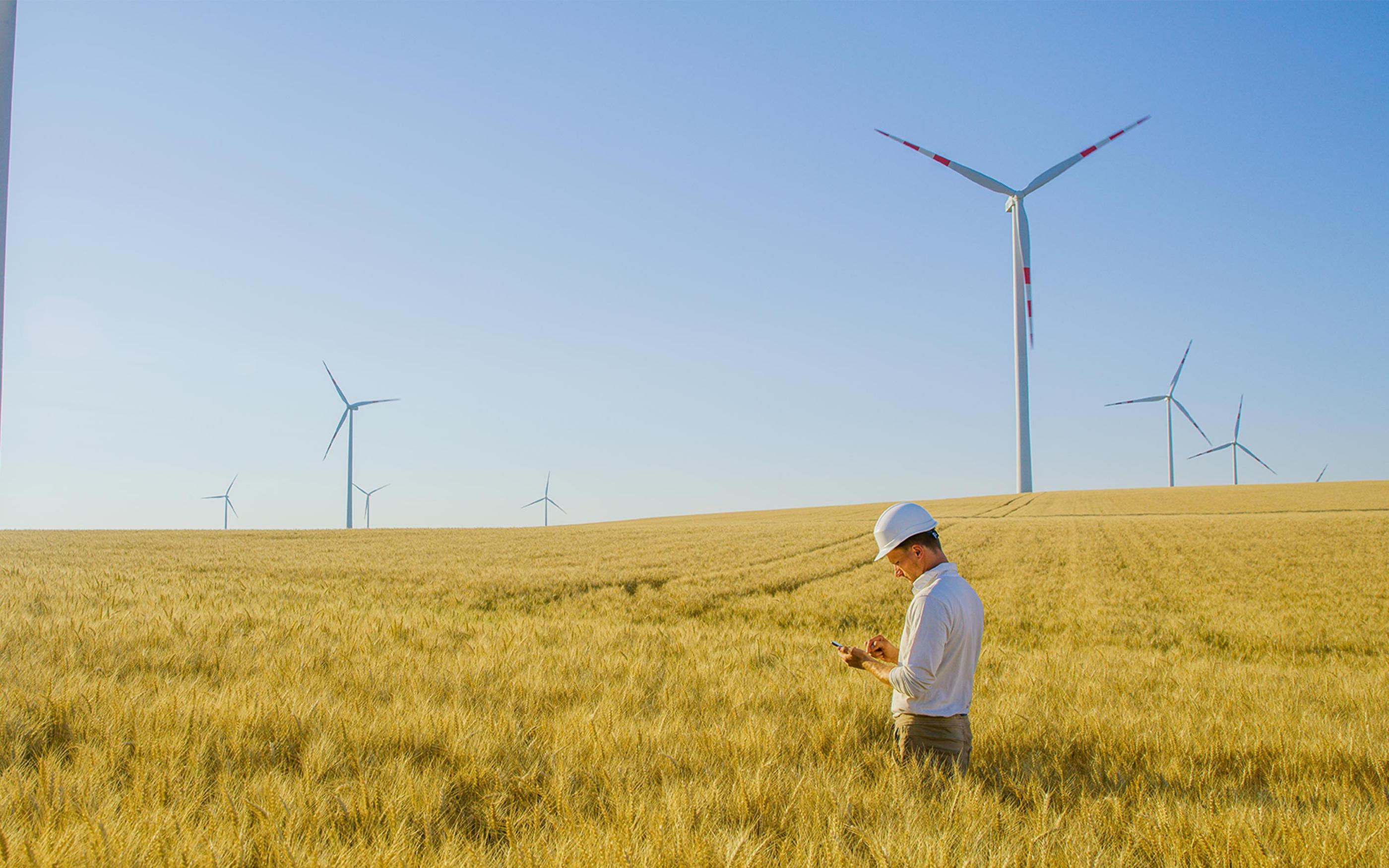
From boomers, to Gen X, to millennials, to Gen Z, the new evolution is upon us: Gen R, the next phase of renewables. In this Renewable Energy Market Review, the theme is clear. Despite calls to double-down on carbon-based technologies in some regions, clean energy technologies are evolving at pace. The sector is pushing the needle on innovation at scale and momentum is growing for hybrid, complex and integrated technology projects.
Key themes for 2025
- There’s clear innovation and investment in renewable technologies
- Trade tensions, tariffs and tax challenges are creating volatility, with changes happening daily
- Unsurprisingly, geopolitical, supply chain and weather-related risks rank as top concerns for renewable energy companies
- Insurance can turn obstacles into enablers
- The insurance market is softening, and pricing is on a downward trend
- Insurers are focusing on differentiating themselves in a competitive market by investing in new solutions to address clients’ challenges
- Data, analytics and risk engineering will be key in enabling insurers to fully understand the risks of new projects and technologies
Creating partnerships with insurers will be key
57% of renewable energy companies in our Global Clean Energy Survey listed risk engineering requirements as a top five obstacle to transferring clean energy risks to the insurance market[1]. Lack of suitable insurance products (51%) and blanket or excessive exclusions (49%) followed in the second- and third- highest obstacles.
Softening market conditions are creating white space for innovation. Insurers are focusing on differentiating themselves in a competitive market by investing in new solutions to address clients’ challenges. From performance insurance, to liquidated damage cover and beyond, renewable energy companies have opportunities to use risk and insurance strategically to facilitate debt, investment and bankability for clean energy projects.
Data and analytical models – such as Connected Risk Intelligence[2] – can help companies balance risk retention and transfer to protect assets in the short-term, while building a sustainable business model for the long-term.
When transferring risks to the insurance market, elements of a cleaner energy project may appear unique or prototypical to insurers, but in fact are normal proven technologies in the given industry sector. Risk engineers can assist and clarify this technology view, demystifying degree of prototypical elements and projects and bridging the gap across industry sectors to clarify the real difference between proven and prototypical technology.
Providing insurance markets with these data-driven insights will be critical to enable underwriters to fully understand the project and the risks associated with both known and unknown technologies. Backed by data, the collaboration between renewable energy companies, risk advisors, brokers and markets can help to establish the optimal balance of cost and coverage.
Looking ahead to 2025
As trade tensions, tariffs and tax challenges evolve, renewable energy companies stand at a tipping point. While global pressures endure, the next wave of innovation continues to push the sector forward into new and uncharted waters. Different regions each face intrinsic risks and opportunities, but the renewable energy sector, connected across a global network, can step into the future with clarity and confidence, backed by risk and insurance.
At Willis, a WTW business, we will continue to keep our finger on the pulse of changing trends, and work with clients and insurance partners to continue innovating through the complexities and challenges of the clean energy transition.
Featured articles from the review
Renewable energy contact

Download the full report
In this video, Steven Munday, Global Renewable Energy Leader, Willis Natural Resources, shares the key highlights from the 2025 Renewable Energy Market Review.