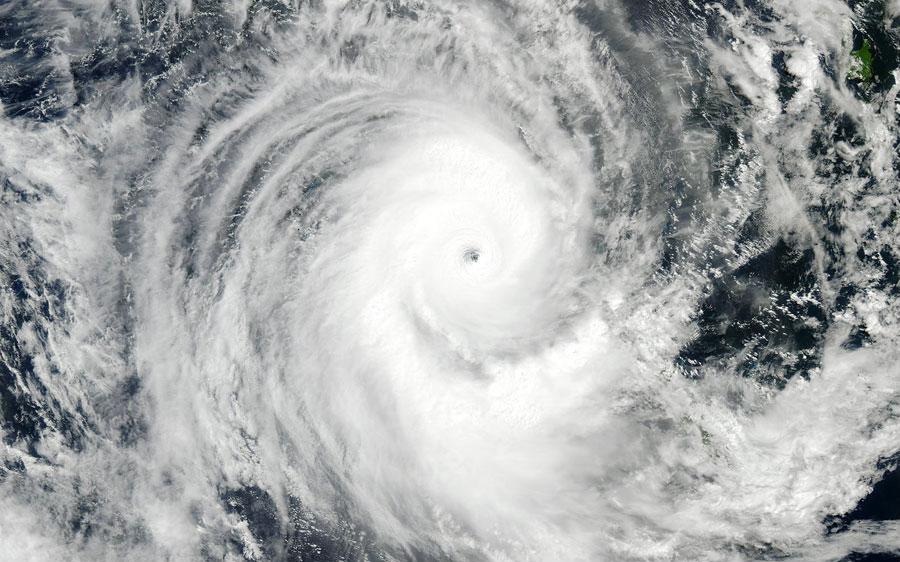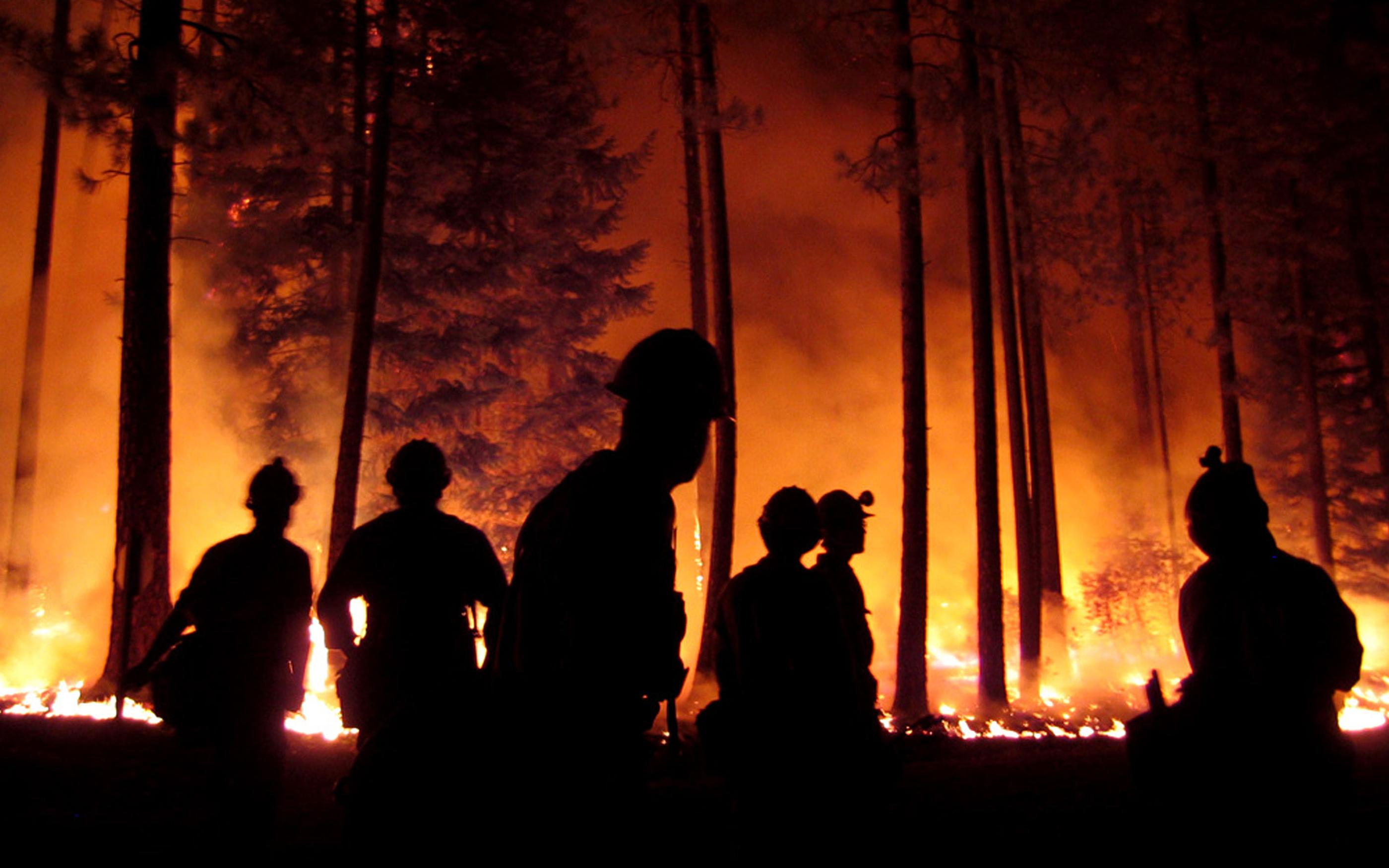
Physical climate hazards such as flooding, and wildfires present a major threat to mortgage lenders, insurers, and the broader financial system. It is becoming clearer that such hazards are increasing in frequency and severity, coinciding with increasing exposure of populations to such threats.
Physical climate hazards are not a new phenomenon – real estate markets have endured and been responsive to extreme weather events throughout history. However, as trends in extreme events emerge, there is growing evidence that these hazards are already having a direct monetary effect on property prices. Changes in property prices pose a major financial risk to homeowners, mortgage and insurance industries, bank portfolios, and wider financial systems.
This is leading to a process of urban area selection where there is greater demand for properties possessing climate resilient traits (e.g. located at higher elevations). This is already driving up property prices possessing such traits, compared to properties more exposed and/or less protected against physical climate hazards that may experience discounted valuations. Climate gentrification describes this process of area selection and the collective effects of individual and collective investment responses to physical climate hazards (e.g. flooding and wildfires) in residential and commercial housing markets.
To demonstrate climate gentrification in action, we conducted a case study on a flood prone UK city. By using publicly available data a simple repeat-sale hedonic price model was developed to explore the effect of flood zoning and flood history on changes in property prices at the postcode level. Three scenarios were used to analyze changes in property prices (see Figure 1). We show that just by being located within Flood Zone 3 (defined by the Environment Agency as land with a 1 in 100 or greater annual probability of river flooding) on average, results in a price difference of 30%, relative to properties that are unexposed. This price difference is further exacerbated under scenario C, for properties that are located within Flood Zone 3, and have had a history of flooding.
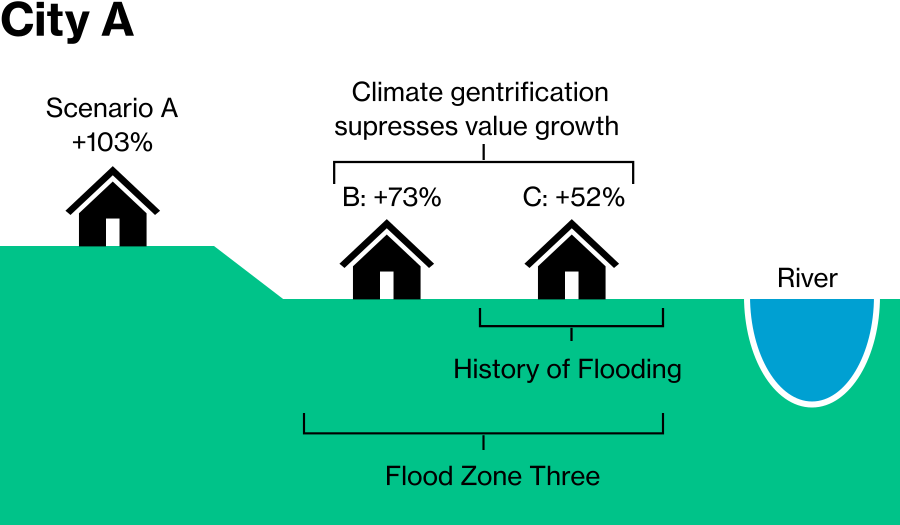
Climate gentrification in action within a flood-prone UK city. Results of the hedonic modeling show changes (%) in property prices in City A between 1995 and 2021 depending on location relative to fluvial flood risk.
Scenario A considers the change in price for properties unexposed to fluvial flood risk. Scenario B considers the change in price for properties located within Flood Zone 3 (defined by the Environment Agency as being land with a 1 in 100 or greater annual probability of river flooding). Meanwhile, scenario C considers the change in property price for a property located within Flood Zone 3 and which has been flooded twice.
These findings have been incorporated into a consolidated critique of climate gentrification that has been submitted for publication to the Annals of the American Association of Geographers.
Looking forward, we aim to develop a forward looking analysis framework to understand how the effects of inland flooding (pluvial and fluvial) and coastal flooding, have on property prices, and how this may change under projected storylines of climate change. In addition, we aim to investigate ethical considerations that should be considered in parallel to the due diligence on evaluating climate risk exposure.
Authors